
4 Common Oral Health Risks That Preventive Dentistry Helps Minimize
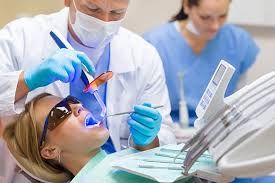
Your mouth affects your whole body. When you ignore small problems, they often turn into painful and costly emergencies. Preventive dentistry stops many of these problems before they start. It keeps your teeth strong, your gums steady, and your smile steady. It also protects your heart, lungs, and blood sugar. This blog explains 4 common oral health risks that preventive care helps minimize. You will see how simple habits, regular cleanings, and honest checkups protect you from decay, infection, and tooth loss. You will also see when to call a Westwood dentist and what to expect during a visit. The goal is clear. Catch trouble early. Treat it quickly. Then keep your mouth calm and healthy over time. With the right steps, you can avoid sudden pain, missed work, and long treatment plans. You deserve a steady, confident bite every single day.
1. Tooth decay
Tooth decay starts small. It often begins as a soft spot that you cannot feel or see. Then it grows. It eats into the hard outer layer and reaches the deeper part of the tooth. At that point you may need a filling, a crown, or even a root canal.
Preventive care cuts decay risk in three simple ways.
- Cleanings remove sticky plaque and hard tartar from spots you miss with a brush.
- Fluoride strengthens tooth enamel so acid cannot break it down as fast.
- Dental sealants cover the grooves on the back teeth where food and germs hide.
The Centers for Disease Control and Prevention explains that decay is one of the most common chronic problems in children and adults. Yet it is preventable. Regular checkups stop small cavities from turning into severe pain or tooth loss.
Tooth decay risk with and without preventive care
| Habit pattern | Decay risk | Common outcome |
|---|---|---|
| Brush twice daily and see dentist twice a year | Lower | Small cavities caught early |
| Brush once daily and skip checkups | Higher | Larger fillings and more visits |
| Rare brushing and no dental visits | Highest | Toothaches and extractions |
2. Gum disease
Gum disease starts with tender, red gums that bleed when you brush. Many people ignore this early stage. That choice carries a cost. Over time, infection eats away the bone that holds your teeth. Teeth loosen and may fall out.
Preventive dentistry targets gum disease early.
- Routine cleanings clear plaque at the gumline before it hardens.
- Deep cleanings remove tartar under the gums when needed.
- Regular exams measure pocket depths and track changes over time.
Healthy gums do more than hold teeth. They protect your heart and blood vessels. The National Institute of Dental and Craniofacial Research notes links between gum disease and heart disease, stroke, and diabetes problems. When you keep your gums clean and calm, you lower strain on your whole body.
Watch for three warning signs.
- Gums that bleed when you brush or floss
- Bad breath that stays even after brushing
- Loose teeth or spaces that seem to grow
If you see these signs, call a dentist soon. Early treatment often uses simple cleanings and home care. Late treatment may need surgery and many visits.
3. Tooth wear and cracks
Teeth are strong. Constant grinding, clenching, or acid can still wear them down. Tiny cracks open. Enamel thins. You may feel sharp pain with cold drinks or feel a rough edge with your tongue.
Preventive care helps in three concrete ways.
- Regular exams spot early wear patterns and fine cracks.
- Night guards protect teeth if you grind them in your sleep.
- Advice on diet and drinks helps lower acid that softens enamel.
Acid from soda, sports drinks, and reflux can strip enamel. Once enamel is gone, it does not grow back. Preventive visits help you adjust habits before damage reaches the inner part of the tooth. That step often avoids crowns or extractions later.
Notice these common signs of wear.
- Flat or short front teeth
- Chipped edges on back teeth
- Jaw tightness when you wake up
When you act early, a simple guard and small repairs can protect your bite for many years.
4. Oral cancer and other serious problems
Oral cancer can grow on the tongue, cheeks, gums, or throat. In the early stage, it may look like a small white or red spot. It may not hurt. That silence makes it dangerous.
Preventive dentistry includes an oral cancer screening during regular exams. The dentist checks your tongue, cheeks, and throat. The dentist feels your jaw and neck for lumps. This exam takes a few minutes. It can save your life.
Other serious problems also show early signs in the mouth.
- Uncontrolled diabetes may cause dry mouth and slow healing.
- Sleep apnea can show as worn teeth from grinding.
- Reflux can show as thin enamel on back teeth.
When your dentist spots these patterns, you can talk with your medical doctor sooner. That shared care protects both your mouth and your body.
Simple steps you can start today
Preventive dentistry works best when home care and office care match. You can start today with three steps.
- Brush twice daily with fluoride toothpaste for two minutes each time.
- Clean between your teeth once daily with floss or small brushes.
- Schedule regular checkups and cleanings, usually every six months.
Then pay attention to small changes. Call a dentist if you see sores that do not heal, bleeding that does not stop, or pain when you bite. Quick action keeps problems small and treatment simple.
Preventive dentistry is not fancy. It is steady, careful work that guards your mouth and your health. You do not need a perfect smile. You need teeth and gums that let you eat, speak, and rest without fear. That is the goal every visit should support.