
How Implant Dentistry Helps Preserve Jawbone Health
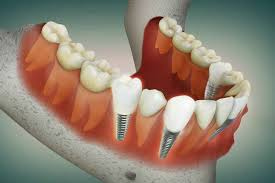
Tooth loss does more than leave a gap in your smile. It also starts a slow collapse of the jawbone that can change your face, your bite, and your confidence. When a tooth is gone, the bone under it stops getting the pressure it needs from chewing. Then the body starts to absorb that bone. Over time your jaw can shrink. Your cheeks can sink. Your remaining teeth can shift and become loose. Dental implants stop this breakdown. The implant root replaces the lost tooth root and keeps the bone working. You chew again on a solid base. You speak without worry. You protect the shape of your face. If you wait, bone loss can make treatment harder. A dentist in Chinatown, Lower Manhattan, NY can use implants to support your jaw, your health, and how you feel when you look in the mirror.
Why Teeth Matter To Your Jawbone
Your jawbone is living tissue. It needs regular pressure from chewing. Each time you bite, the tooth root sends a message to the bone. That message says the bone is needed. When a tooth is gone, that message stops. Then the body starts to clear away the unused bone.
Research from the National Institute of Dental and Craniofacial Research shows that missing teeth raise the risk of more tooth loss and changes in bite. This chain reaction can affect how you eat, speak, and look.
What Happens After Tooth Loss
Bone loss after a missing tooth often follows a clear pattern.
- First year. The bone under the missing tooth can lose much of its width.
- Next few years. The height of the bone slowly drops.
- Long term. The jaw can thin, the bite can collapse, and the face can look older.
These changes can cause three common problems.
- Loose or shifting teeth near the gap
- Jaw joint pain from an uneven bite
- Trouble chewing many foods
Once lost, the jawbone is hard to rebuild. Bone grafts can help in some cases. Yet they often need more time, more visits, and more healing. Early action with implants can spare you from that strain.
How Dental Implants Protect Bone
A dental implant is a small post placed in the jawbone. It acts like a tooth root. After placement, bone grows around the implant in a process called osseointegration. The implant becomes part of the bone. Then a crown, bridge, or denture connects to it.
Implants protect your jaw in three key ways.
- They restore chewing pressure to the bone.
- They keep nearby teeth from tilting into the gap.
- They help keep the jaw shape and face shape more stable.
Studies shared by the U.S. National Library of Medicine show that implants can slow or stop bone loss in many patients. This support can last for many years with good care.
read more : 4 Common Myths About Accounting Firms Debunked
Implants Compared With Bridges And Dentures
Many people ask how implants stack up against other tooth replacement choices. The table below shows key differences for jawbone health.
| Tooth Replacement | Supports Jawbone | Pressure To Bone | Effect On Nearby Teeth | Common Long Term Changes |
|---|---|---|---|---|
| Single Crown On Natural Tooth | Yes | Normal chewing pressure through root | Minimal effect if tooth is healthy | Jawbone stays more stable |
| Traditional Bridge | No at missing tooth site | Pressure only on teeth that hold the bridge | Support teeth are reshaped and carry extra load | Bone under the gap can keep shrinking |
| Removable Partial Denture | Weak support | Pressure on gums, not deep bone | Clasp teeth can wear, loosen, or decay | Bone under denture can thin over time |
| Full Traditional Denture | No | Pressure spreads on gums only | No natural teeth present | Jawbone often shrinks. Dentures may loosen often. |
| Dental Implant With Crown | Yes | Pressure travels through implant into bone | No reshaping of nearby teeth needed | Bone loss often slows. Bite stays more stable. |
Who Can Benefit From Implants
You may be a good match for implants if you have one or more missing teeth and want to protect your jaw. Many adults can have implants if they meet three basic conditions.
- Healthy gums
- Enough bone to hold an implant or can receive a graft
- Ability to keep good daily oral care
People with long-term health conditions can often still have implants. Your medical and dental teams can plan together. They can review medicines, healing patterns, and any extra steps you might need.
What To Expect From The Process
Implant treatment takes time. Yet each step has a clear purpose.
- Planning. You have an exam, X-rays, and sometimes a scan. The team checks bone height, width, and density.
- Placement. The implant post is placed in the bone under numbing.
- Healing. Bone grows around the implant. This often takes a few months.
- Restoration. A crown, bridge, or denture attaches to the healed implant.
During healing, your team may place a short-term tooth. That way, you can smile and speak with less worry while the bone accepts the implant.
Caring For Implants And Your Jawbone
Implants need the same daily care as natural teeth.
- Brush twice a day with fluoride toothpaste.
- Clean between teeth and around implants every day.
- See your dentist for regular cleanings and checks.
These habits protect the gums around the implant. They also keep the bone healthier for longer.
Taking The Next Step
Tooth loss does not need to lead to a shrinking jaw or painful chewing. Implant dentistry offers a way to replace missing teeth and maintain the strength of your jawbone. With a clear plan and steady care, you can keep eating the foods you love. You can speak with ease. You can feel more steady in your own skin.