
How General Veterinarians Provide Emergency Care When It Matters Most
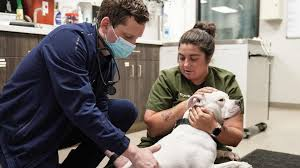
When your pet suddenly collapses, bleeds, or struggles to breathe, you do not think about titles or specialties. You just need help. Right away. General veterinarians step in during these hard moments and give urgent care that can steady your pet and your nerves. They check breathing and heart rate. They control pain. They stop bleeding and support broken bones. Many also work with an animal hospital in Roanoke, VA so your pet can move from first aid to advanced care without delay. In a true crisis, every minute feels heavy. You may feel fear, guilt, or confusion. You may also feel pressure to make quick choices. A general veterinarian guides you through each step. You get clear options. Your pet gets fast treatment. This blog explains how that support works so you can walk into any clinic already prepared.
What Counts As A Pet Emergency
Some signs are clear. Others are quiet but just as dangerous. You should seek emergency care right away if your pet:
- Cannot breathe or breathe with an open mouth and effort
- Collapses or cannot stand
- Has uncontrolled bleeding
- Is hit by a car or takes a hard fall
- Has a swollen belly and seems restless or in pain
- Cannot pass urine or stool
- Has a seizure for more than a few minutes
- Swallows a toy, string, or human medicine
You know your pet. If you feel something is very wrong, treat it as an emergency. Call the clinic. Say the main symptom and your pet’s weight. That short call can help the team prepare before you arrive.
What Happens The Moment You Arrive
Emergency care starts at the front door. Staff does a quick “triage” check. They look at three things first.
- Breathing
- Heart and pulse
- Level of response
If your pet cannot breathe or has no pulse, the team moves your pet straight to treatment. You may stay in the lobby for a short time while they work. That can feel harsh. Yet it gives your pet the best chance.
For less extreme cases, the team weighs your pet, takes a short history, and moves you to an exam room. The veterinarian then does a focused exam and explains what will happen next in clear steps.
Core Steps In Emergency Treatment
General veterinarians follow a simple order. They support life first. Then they treat the cause. Three basic needs guide the first minutes.
- Airway and breathing
- Blood flow and heart
- Pain and fear
Here is how that can look in practice.
- Oxygen through a mask or cage
- IV catheter for quick fluids and medicine
- Pressure bandages to slow bleeding
- Support or splints for broken limbs
- Safe pain medicine
- Anti seizure medicine if needed
The veterinarian will speak with you between each step so you know what they see and what they expect over the next hour.
read more : 4 Common Myths About Accounting Firms Debunked
Common Emergencies And How General Vets Respond
| Emergency | What You May See | Typical First Steps At The Clinic |
|---|---|---|
| Trauma from car or fall | Limping, bleeding, bruising, trouble breathing | Oxygen, pain control, X-rays, bandages, possible surgery referral |
| Poison exposure | Drooling, vomiting, tremors, weakness | Check poison type, induce vomiting if safe, give charcoal, start fluids |
| Seizures | Shaking, loss of control, confusion after | Stop active seizure, check blood sugar, run blood tests, start medicine |
| Blocked urine in cats | Straining, crying in litter box, no urine | Relieve blockage with catheter, pain control, fluids, watch in clinic |
| Bloat in large dogs | Swollen belly, restlessness, retching | Stomach decompression, X-rays, rapid surgery referral |
You can read more about poison risks for pets from the U.S. Food and Drug Administration. That resource lists common household threats and simple steps to lower risk.
How General Vets Work With Emergency And Specialty Hospitals
Many general veterinarians can manage the first hours of an emergency. Some cases then need a 24-hour hospital or a surgeon. In those moments, your veterinarian becomes your guide and your pet’s advocate.
They may:
- Stabilize your pet before transport
- Call the referral hospital and share test results
- Explain cost ranges and time frames
- Help you weigh surgery, hospice, or other options
This teamwork helps your pet move from crisis to longer-term care without gaps. It also means you do not need to repeat your story each time.
Your Role During A Pet Emergency
You cannot control every crisis. You can still shape the outcome. Three steps matter most.
- Plan ahead. Know the closest 24-hour clinic and route.
- Prepare a simple “go bag” with muzzle, leash, carrier, and records.
- Practice calm. Speak in short, clear phrases. Follow staff directions.
The Centers for Disease Control and Prevention shares general disaster tips for pets at their pet emergency page. Those steps also help during single-pet crises.
When Hard Choices Come
Some emergencies end with quick relief. Others end with long recoveries or loss. General veterinarians see that pain every day. They give facts in plain words so you can make choices that match your values and your pet’s comfort.
You can ask three questions.
- What will my pet feel over the next day
- What are the best and worst outcomes
- What choice would you make for your own animal
Clear answers to those questions can cut through fear and guilt. They help you protect the bond you share with your pet, even in the hardest hour.