
3 Questions Every Pet Owner Should Ask Their Veterinary Clinic
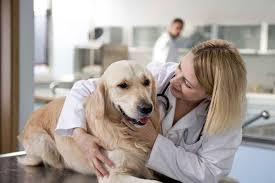
Your pet trusts you for everything. Food. Safety. Comfort. When you choose a clinic, you choose who guards that trust. Many people pick the first office that answers the phone. That choice can lead to rushed visits, confusing bills, and missed warning signs. You deserve clear answers before you hand over the leash. This blog gives you three hard questions to ask any clinic, including a veterinarian in Flatwoods. These questions cut through small talk and reveal how a clinic treats pets, handles emergencies, and communicates with you when something goes wrong. You will learn what to listen for in each answer. You will also see warning signs that suggest you should keep looking. Your pet cannot speak up in the exam room. You can. These questions help you protect your pet’s health and your own peace of mind.
Question 1: Who will care for my pet and what training do they have?
You have a right to know who touches your pet. You also have a right to know what training each person has. Do not feel shy. Clear answers protect your pet.
Ask the clinic to explain three things.
- Who performs exams and surgery
- Who gives vaccines and draws blood
- Who monitors your pet during and after procedures
Then ask about licenses and training. You can say, “Are you a licensed veterinarian or a technician?” and “How do you stay current on new treatments?” A strong clinic will answer in plain language. Staff should speak calmly and respectfully. Quick dismissive replies show a problem.
You can also ask if the clinic follows guidelines from groups such as the American Veterinary Medical Association. That shows a basic level of standard care. You do not need to know every detail. You only need clear proof that training and oversight exist.
Clinic staff roles and what you should ask
| Role | What they often do | Questions for you to ask |
|---|---|---|
| Veterinarian | Diagnoses, prescribes, performs surgery | Are you licensed in this state? What is your experience with my pet’s species? |
| Veterinary technician | Places IVs, takes X-rays, monitors anesthesia | Are you credentialed? What training do you have in anesthesia monitoring? |
| Assistant | Holds pets, cleans, helps staff | What tasks do assistants handle? Do doctors review their work? |
| Reception staff | Schedules visits, handles records | How do you share test results? How fast do you respond to messages? |
Listen for three red flags.
- Staff cannot explain their role
- No mention of licenses or ongoing training
- Rude tone when you ask about qualifications
Those signs show a weak culture. Your pet needs a clinic that respects hard questions.
Question 2: How do you handle emergencies and after-hours care
Crises rarely happen at a good time. A car strike or sudden choking can happen at night or on a holiday. You need a clear plan before panic hits. Calm planning now can save your pet’s life.
Ask the clinic to walk you through what happens if your pet crashes at three in the morning. Use simple direct questions.
- Are you open for emergencies
- If not, which clinic covers your patients at night
- How do I reach help after hours
A responsible clinic will give you three details. You should receive a phone number for urgent calls. You should hear the name and address of the emergency hospital. You should also hear how records move between clinics. A strong answer shows a tight link between the day clinic and the emergency clinic.
The United States Department of Agriculture offers guidance on humane handling and stress in animals. You can review general welfare tips at the Animal Welfare Information Center. While that site focuses on many species, it shows why calm, fast care matters when animals face pain.
Watch for warning signs in the answer.
- No written plan for emergencies
- Staff say “Just go to any ER” without details
- No clear way to reach a person after hours
Your pet needs more than luck. Your clinic should name the exact steps you take when every minute counts.
read more : 4 Common Myths About Accounting Firms Debunked
Question 3: How will you communicate with me about costs and treatment choices
Money talk can feel tense. Still, you need clear facts about costs and options before care starts. Hidden fees and vague promises destroy trust. Honest clinics speak plainly about prices and choices.
Begin with three simple questions.
- Can you give a written estimate before treatment
- What is included in that estimate
- What could change the final cost
Next, ask how the clinic explains treatment choices. You can say, “Will you offer more than one plan when possible?” and “How do you explain risks and benefits?” Look for a process that gives you time to think. You should never feel cornered or rushed into a big procedure.
The Centers for Disease Control and Prevention stresses clear talk between providers and families in human health. That same idea helps in pet care. You deserve plain words, not codes or fast talk.
Here is a simple way to compare clinics on cost and communication.
Comparing clinic communication about care and cost
| Topic | Strong clinic answer | Weak clinic answer |
|---|---|---|
| Written estimates | Provides itemized estimate before care. Updates you if costs change. | Gives only rough verbal quote. Final bill surprises you. |
| Treatment options | Explains at least two approaches when safe. Respects your choice. | Pushes one plan. Dismisses questions about other paths. |
| Test results | Calls or emails with results. Explains what they mean and the next steps. | Says “no news is good news.” Leaves you unsure about findings. |
| Consent | Reviews forms in clear terms. Gives time for questions. | Asks for a quick signature with little talk. |
Trust your reaction. If staff react with patience and clarity when you ask about money or choices, they will likely show the same care when your pet is sick. If they show anger or pressure, take your pet and your business somewhere safer.
Pulling it together and taking the next step
These three questions can feel tough. They also show that you take your role as guardian with deep seriousness. Your pet needs you to ask them now, before fear or grief clouds your mind.
When you call or visit a clinic, do three things.
- Ask who will care for your pet and how they train staff
- Confirm the exact plan for emergencies and after-hours care
- Set clear rules for how the clinic will talk with you about costs and choices
If the answers feel clear and calm, you can move ahead with more peace. If not, keep looking. Your pet offers you steady love without conditions. You can return that love through careful questions and firm boundaries with any clinic you consider.