
Understanding Federal and Texas Gun Laws for Felons: A Complete Guide
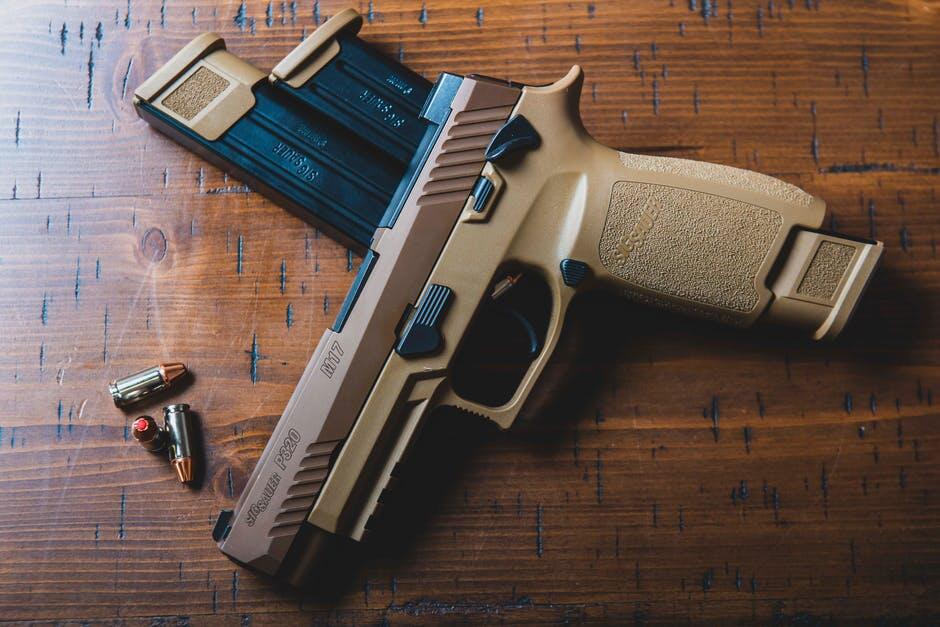
Can one past mistake take away the right to own a gun forever? Gun laws for felons are strict and often confusing. Federal law sets the main rules, and Texas law adds more limits.
Many people are unsure what is allowed. A simple misunderstanding can lead to serious trouble. Clear facts matter.
This guide explains the rules, rights, and risks in plain language so readers can make safe and informed choices. Keep on reading!
Federal Law: The Main Rule
Federal law generally bans felons from having firearms or ammunition. This rule comes from the Gun Control Act of 1968, which applies to crimes punishable by more than one year in prison.
The ban covers owning, holding, or even briefly handling a gun, and it includes ammunition as well. Finishing a sentence does not automatically restore gun rights under federal law. In most cases, only a full pardon or special legal relief can remove the federal ban.
Texas Law: State-Specific Limits
Texas follows federal law but also has its own rules. In most cases, a person convicted of a felony must wait five years after release from prison or supervision before having a firearm.
After those five years, Texas usually allows possession only inside the person’s home. Carrying a gun in public or keeping one in a vehicle may still be illegal. Federal law may still apply, so it is important to review both sets of rules.
Restoring Gun Rights
Gun rights are not restored automatically. A pardon or other formal legal action may be required to regain rights under Texas law.
Even then, federal restrictions may remain in place. This difference between state and federal law can cause serious problems. Careful legal review is important before assuming rights have been restored.
Possession, Access, and Control
The law focuses on more than just ownership. A felon can break the law by having control over a firearm, even if it belongs to someone else.
For example, a gun kept in a shared closet or vehicle may count as possession if it is within reach. Simply putting the firearm in another person’s name is not enough. Safe storage and clear separation are essential to avoid violations.
Gun Ranges and Stores
Many people wonder about casual contact with firearms. Some ask whether can a felon go to the gun range without breaking the law.
Under federal law, even briefly holding or renting a gun at a range may count as illegal possession. Buying ammunition can also lead to charges. Gun stores and ranges often have strict policies to prevent these risks.
Penalties for Breaking the Law
The penalties for illegal possession are harsh. If a convicted felon is caught with a gun, they may be charged with another felony, have to pay a large fine, or go to prison.
The penalties at the federal level can be very harsh, and courts in Texas may add state charges as well. Violations can lead to long-term legal issues. Following the law is still the safest thing to do.
Gun Laws in Texas and the United States for Convicted Offenders
Federal and Texas laws about felons and guns are very clear and strict. The rules cover who can own, get to, and even briefly handle guns. In order to restore rights, formal legal action and careful review are needed.
Slip-ups can lead to harsh punishments and new charges. People and families are safe from more harm when they follow long-standing gun laws. Knowledge helps avoid mistakes that cost a lot of money.
Did you like this guide? Great! Please browse our website for more!