
Advanced Heart Scan Technology for Accurate Diagnosis
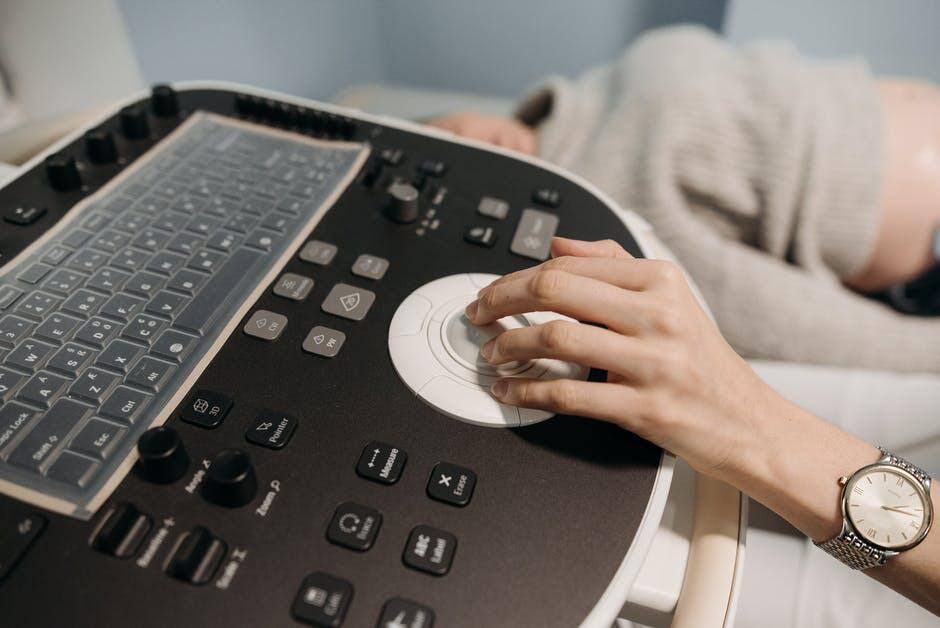
What if heart problems could be found before they become dangerous? Today’s scanning tools give doctors a clear look inside the heart without surgery. These tests help spot trouble early and guide the right treatment.
Early action often prevents serious damage later. Noninvasive scans are safer and more comfortable for patients. Accurate diagnosis help doctors make smart decisions with confidence.
This article explains how advanced heart scan technology leads to better heart care and stronger long-term health. Keep on reading!
The Evolution of Heart Scanning
Heart testing used to rely mostly on basic exams and simple tools. Doctors had to depend heavily on experience and limited information. That often made early detection more difficult.
Over time, scanning machines improved and produced clearer images. Digital systems made it easier to study the heart in detail. These improvements changed how heart disease is found and treated.
Today’s scanners work quickly and provide sharp, detailed pictures. Medical teams can review results in minutes.
Understanding Noninvasive Diagnostic Methods
Heart tests that don’t cut into the body look at the heart. They lower the risk, ease the pain, and keep you from having to wait a long time to heal. A lot of patients like these safer choices.
Echocardiograms, CT scans, and MRI scans are all common tests. Each one shows a different part of the heart’s structure and how blood flows through it. The test that is best for the patient is chosen by the doctor.
You can do these tests again if you need to, because they are safe. Doctors can use this to keep track of changes over time. Testing regularly helps keep care steady and reliable.
High-Resolution Imaging for Early Detection
Doctors can find small problems early on when images are clear. Newer scanners can see small details that older ones might miss. Often, serious problems can be avoided by finding them early.
Calcium buildup in the arteries, for instance, can be a sign of heart disease in the future. These areas stand out clearly on modern scans. Finding them early makes treatment and changes to your lifestyle go more quickly.
People who are sick understand their condition better when they can see clear pictures of their heart. This helps people follow medical advice better. Being aware early on can help you make healthier decisions.
Accurate Measurement of Blood Flow and Function
In order to maintain the body’s health, the heart must pump blood in a smooth manner. The efficiency with which blood flows through the heart and vasculature is evaluated by modern scans. The results of these measurements reveal any weak spots or obstructions.
Certain tests demonstrate how the heart functions when it is under stress or when it is engaged in physical activity. Problems that do not manifest themselves when the subject is at rest may become apparent during these studies. In this way, hidden conditions are brought to light.
When it comes to diagnosis, having clear numbers reduces the amount of guesswork. The decisions that doctors make regarding treatment can be more precise. Accurate data contributes to improved medical care.
Supporting Personalized Treatment Plans
A patient’s heart condition is unique to each patient. Doctors are able to develop treatment plans based on specific findings with the assistance of detailed scans. Personalized care is associated with improved outcomes.
If the obstruction is not too severe, medication might be sufficient. If the condition is severe, it may be necessary to undergo surgery or a stent. This crucial decision-making process is guided by clear imaging.
The recovery process typically improves when the treatment is tailored to the specific issue. Patient avoidance of procedures that are not necessary. As a result of precision, both safety and success are increased.
Reducing the Need for Invasive Procedures
Doctors used to need invasive tests to be sure that someone had heart problems. A lot of the answers now come from more advanced scans. This lowers the risks of surgery.
When there are fewer invasive procedures, hospital stays are shorter. Less stress and pain are felt by patients. It seems easier and safer to do this.
Doctors save surgery for the most serious cases by using reliable scans first. This careful approach keeps patients safe. Conservative care is still the smart thing to do.
Monitoring Heart Health Over Time
Heart disease can creep up slowly over a long period of time. With regular scans, doctors can see how the results have changed over time. You can deal with small changes right away.
Follow-up imaging is helpful for people who have heart problems that don’t go away. Doctors can check to see if the treatment is doing its job. If changes are needed, they can be made quickly.
Patients can rest easy knowing that they are being watched over. People trust the care plan more when the results stay the same. Long-term tracking helps keep your heart healthy.
Improving Communication Between Doctor and Patient
It is easier to explain heart conditions when you can see them clearly. Patients can see what the doctor talks about. This helps people understand better.
People are more likely to do what they are told when they understand their diagnosis. Seeing proof of a problem makes it seem real and doable. When you learn, you form better habits.
It’s also easier to share results with experts when they are in digital form. This makes it easier for healthcare workers to work together. Good communication makes care better all around.
The Role of Technology and Expertise
Only trained professionals should use high-tech machines. The scanners are carefully run by skilled technicians. Doctors with a lot of experience correctly interpret the results.
These days, software can help you measure and draw attention to important details. In cardiac imaging, digital tools make images clearer and support what doctors already know. When tech is used with knowledge, it works best.
Healthcare teams use both tried-and-true methods and brand-new tools. This balance makes sure that the results are correct and reliable.
Noninvasive Diagnostic Methods for Accurate Diagnosis
A very important part of modern heart care is advanced heart scan technology for accurate diagnosis. These noninvasive tools make it easier to find problems, help plan treatments, and lower the risk of harm. Doctors can act quickly and with confidence when they have clear images.
When advanced scanning systems are combined with traditional medical knowledge, care is more accurate and reliable. Patients benefit from getting correct answers and well-thought-out plans. A good diagnosis leads to better long-term health and outcomes in the heart.
Did you like this guide? Great! Please browse our website for more!