
Hair-Pulling Disorder Treatment: Effective Ways to Stop Trichotillomania
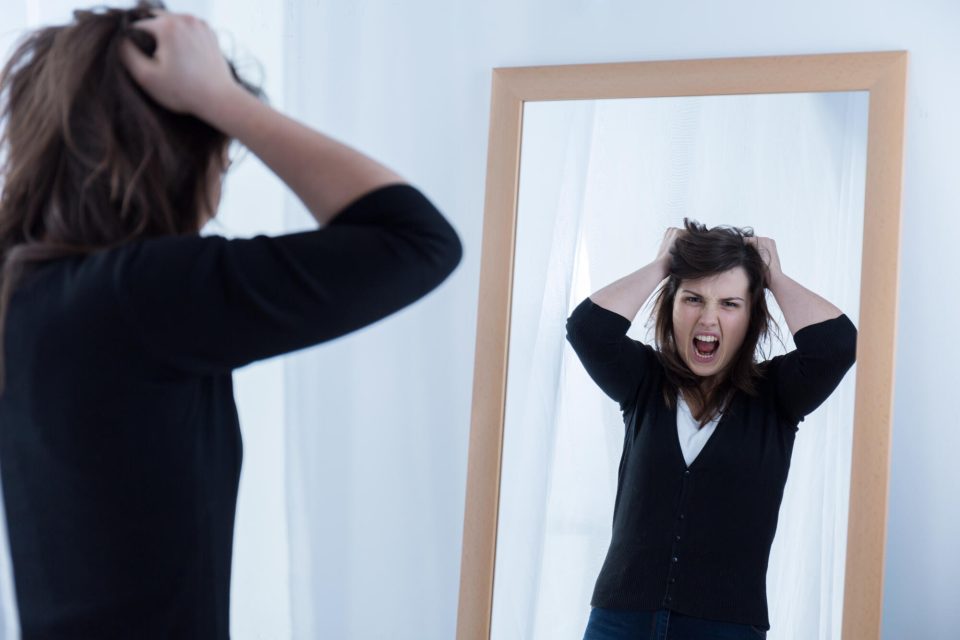
Hair-pulling can feel confusing and hard to control. Many people struggle with this behavior for years before seeking help. The condition is known as trichotillomania, and it can affect both emotional and physical well-being.
Without support, the habit can become stronger over time. The good news is that proper hair-pulling disorder treatment can help people manage urges. With the right tools, people can build healthier habits and regain control.
Continue reading to explore simple approaches that can support effective hair-pulling disorder treatment.
Understanding Trichotillomania and Why It Happens
Trichotillomania is a condition that involves repeated urges to pull out hair. People may pull hair from the scalp, eyebrows, eyelashes, or other areas. The behavior often appears during stress, boredom, or emotional discomfort.
Some people know they are pulling their hair while others notice it only afterward. The act can create a short sense of relief or comfort.
Over time, it may lead to visible hair loss and emotional distress. Many people feel embarrassed about the behavior, but help is available.
Behavioral Therapy as a Primary Treatment Approach
Behavioral therapy is one of the most effective approaches for hair-pulling disorder treatment. This method focuses on recognizing patterns that lead to hair-pulling. Habit reversal training is commonly used in therapy.
People learn to notice the urge before the action begins. They also practice replacing the behavior with another action.
Examples include squeezing a stress ball or clenching the hands. With practice, these techniques can reduce the urge to pull hair.
Managing Triggers and Emotional Stress
Stress can increase the urge to pull hair. For this reason, stress management is important in hair-pulling disorder treatment. Relaxation techniques can help calm the mind and body.
Deep breathing and mindfulness are common ways to reduce tension. Regular physical activity can also help release emotional stress.
Some people keep a journal to track situations that trigger the urge. Recognizing these triggers helps people prepare healthier responses.
Using Support Systems and Professional Guidance
Support from others can make recovery easier. Many people feel isolated because they believe they are alone in their struggle. Speaking with trained professionals can provide helpful guidance.
People who are exploring trichotillomania treatment NYC options often look for therapists who understand body-focused repetitive behaviors. Support groups can also provide encouragement and shared experiences.
Family members can help by offering patience and understanding. A strong support system supports successful hair-pulling disorder treatment.
Building Long-Term Habits That Prevent Relapse
Recovery from trichotillomania takes time and consistent effort. Building small daily habits can help reduce urges. Keeping the hands busy during idle moments may prevent hair-pulling.
Activities such as drawing or using fidget tools can be helpful. Good sleep habits can also support emotional balance.
Some people track their progress to stay motivated. These steps can support long-term success in hair-pulling disorder treatment.
Learn About Hair-Pulling Disorder Treatment
Trichotillomania can be difficult, but treatment can help people regain control. Understanding triggers and practicing healthier responses are important steps. Therapy, stress management, and strong support systems all play a role in recovery.
With patience and commitment, people can reduce urges and build better habits. Hair-pulling disorder treatment gives individuals the tools to manage their behavior.
Over time, consistent effort can lead to real progress. Recovery is possible with the right approach and support.