
Why Routine Dental Care Happens Best In Animal Hospitals
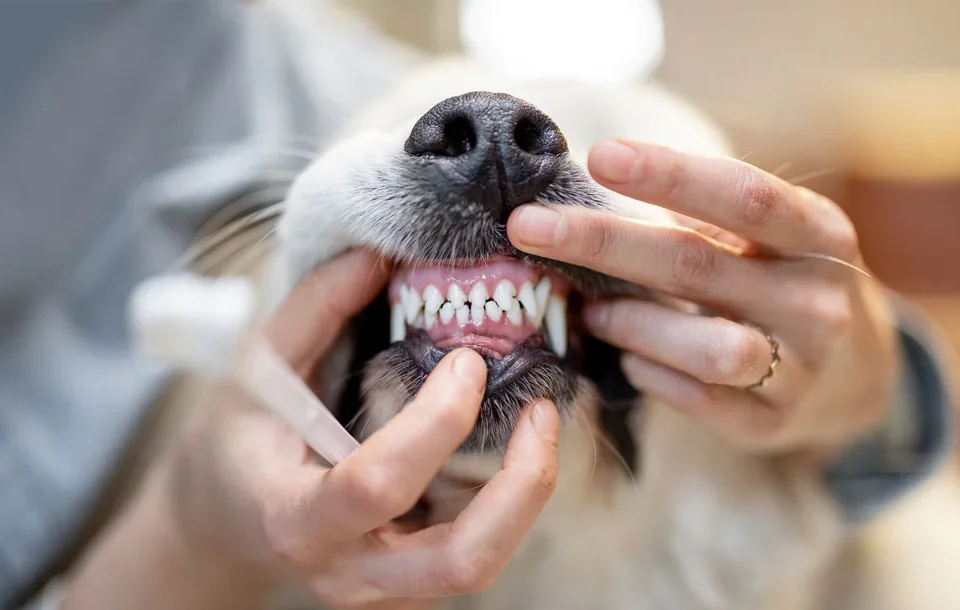
Routine dental care is not a luxury for your pet. It is basic health care. You may see clean teeth as a small detail. In truth, neglected teeth cause pain, infection, and quiet suffering. Your pet will not complain. You must notice. In an animal hospital, the team can see what you cannot. Trained staff use safe tools. They check each tooth. They clean under the gums. They watch your pet’s heart and breathing the whole time. At home, you can brush and use treats. Yet you cannot remove deep tartar or spot early disease. Only a clinic can do that. If you see bad breath, red gums, or brown buildup, your pet is already hurt. A veterinarian in Houston Heights, TX can catch problems early. You give your pet comfort. You also avoid high costs from tooth loss and infection later.
Why Pet Teeth Need More Than Home Care
You brush, you offer chews, and you watch what your pet eats. That helps. It still is not enough. Bacteria hide under the gumline. Plaque turns into rock-hard tartar. Gums pull away from teeth. Infection spreads into the bone. You cannot see all of this with a quick look at home.
The American Veterinary Medical Association explains that most dogs and cats show some dental disease by age three. This damage does not stay in the mouth. It stresses the heart, liver, and kidneys. Quarantine mouth disease can shorten your pet’s life.
You protect your pet when you use home care and regular clinic cleanings together. You handle the daily work. The animal hospital handles the deep work.
What Happens During Dental Care In An Animal Hospital
In an animal hospital, dental care follows a clear plan. Each step protects your pet and gives you answers.
- First, the team checks your pet’s mouth, heart, lungs, and body.
- Second, they use safe anesthesia so your pet does not feel fear or pain.
- Third, they clean each tooth above and below the gums with special tools.
- Fourth, they polish the teeth so plaque does not stick as fast.
- Finally, they chart each tooth and create a home care plan you can follow.
The American Animal Hospital Association explains that anesthesia is needed for safe and complete cleaning. You can see their guidance at the AAHA dental and anesthesia resource. Without anesthesia, the staff cannot reach under the gums. They cannot take dental X-rays. They cannot protect your pet from sudden movement during sharp tool use.
Why Animal Hospitals Are Safer Than Non-Medical Settings
Some places offer “anesthesia-free” cleanings. The service may look gentle. The results often mislead. Scraping only the visible surface of teeth does not treat disease. It can even hide it. Your pet may look better while the infection grows out of sight.
Animal hospitals offer three key safety guards.
- Real medical training for veterinarians and technicians.
- Monitoring of heart rate, breathing, and blood pressure.
- Pain control before, during, and after treatment.
If something goes wrong, the team can act in seconds. They have oxygen, emergency drugs, and monitoring tools ready. You remove guesswork. You also remove fear and restraint that awake pets face during mouth work.
Home Care Versus Hospital Care
Home care matters. Hospital care completes the job. Together, they give your pet a calm mouth and steady health.
| Care Type | What You Can Do At Home | What The Animal Hospital Provides |
|---|---|---|
| Cleaning | Brush teeth, offer dental chews, use dental rinses | Remove tartar above and below gums, polish teeth |
| Detection | Notice bad breath, drooling, or chewing on one side | Find loose teeth, pockets, fractures, tumors, and infection |
| Comfort | Adjust food texture, give more time to eat | Use pain control, treat gum disease, remove bad teeth |
| Safety | Limit hard toys that break teeth | Use anesthesia, monitor heart and lungs, manage risks |
| Long term Results | Slow plaque buildup between visits | Reset mouth health and reduce body-wide strain |
Health And Money Benefits Of Routine Dental Visits
Routine dental care in an animal hospital saves health and money. You avoid long months of hidden pain. You also avoid large bills for crisis care.
When you keep dental visits regular, you gain three strong benefits.
- You catch the disease early when treatment is simple.
- You reduce the chance of heart, kidney, and liver strain from mouth bacteria.
- You spread costs out over time instead of facing sudden, large fees.
Early cleanings often need short anesthesia time and a few extra treatments. Late care often needs extractions, strong medicines, and follow-up visits. The choice affects your budget as much as your pet’s comfort.
How To Support Dental Health Between Hospital Visits
You play a direct role in your pet’s mouth care. Routine steps keep each cleaning shorter and easier.
- Brush your pet’s teeth with pet-safe toothpaste on most days.
- Use treats and chews with the Veterinary Oral Health Council seal.
- Offer food that your veterinarian recommends for mouth health.
- Check the mouth each week for red gums, smell, or broken teeth.
If you see changes in eating, pawing at the mouth, or mood shifts, contact your clinic. Do not wait for a yearly visit. Your quick action lowers harm and fear for your pet.
When To Schedule A Dental Visit At An Animal Hospital
You do not need to wait for clear signs of trouble. A good rule is to ask about dental care at each wellness visit. Together, you and your veterinarian can set a schedule that fits your pet’s age, breed, and health.
You should call your animal hospital soon if you notice any of these signs.
- Bad breath that does not go away.
- Red, swollen, or bleeding gums.
- Brown or yellow buildup on teeth.
- Dropping food, chewing on one side, or refusing hard food.
- Loose teeth or blood on toys.
Your pet depends on you to speak up. Routine dental care in an animal hospital gives your pet relief, strength, and peace. You give your pet a kinder life when you treat the mouth with the same care you give the heart.
Routine dental care for pets is best performed in animal hospitals because it ensures a safe, thorough, and effective cleaning process that cannot be replicated at home or in non-veterinary settings. Over 80% of dogs and 70% of cats develop dental disease by age three, making professional, anesthetic-based veterinary care critical for maintaining their overall health, comfort, and longevity.