
The Mechanics of Constant Vigilance and Environmental Oversight
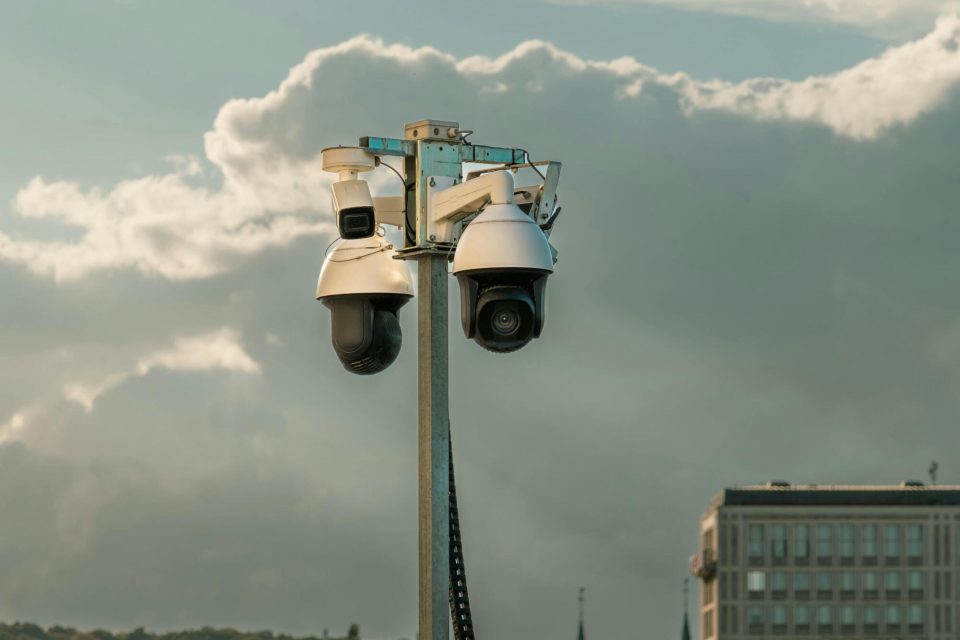
In today’s fast-paced world, environmental oversight is crucial for businesses and communities. Constant vigilance systems ensure that we do not overlook any potential hazards that could affect the environment.
New tools make monitoring easier and more accurate. They help teams spot risks early and act fast.
Read on to learn how these systems work and why they matter.
The Core Idea of Continuous Monitoring
The core idea of continuous monitoring is to keep an eye on the environment at all times. By doing so, we can quickly identify problems such as pollution or unsafe conditions. Continuous monitoring helps raise awareness about the need for protection and prevention.
This approach allows us to gather important data to understand environmental changes. By analyzing the data, we can make informed decisions. Continuous monitoring plays a vital role in maintaining a healthy balance in our ecosystem.
Many industries benefit from this method of oversight. For instance, agriculture uses it to manage crop health. Similarly, factories monitor emissions to comply with regulations.
How Mobile Surveillance Units Work
Mobile surveillance units are a key part of modern environmental oversight. These units can be deployed to different locations as needed. They provide flexible monitoring solutions for various environments.
Each unit is equipped with cameras and sensors to collect data. This data can include air quality, temperature, and even wildlife activity. Mobile units ensure continuous vigilance wherever they are placed.
Usually, these units are easy to set up and operate. They can be moved to different sites without major interruptions. This versatility allows businesses to keep a close watch on multiple locations.
The Role of High-Fidelity Optics
High-fidelity optics improve the quality of surveillance images. These optics are essential for accurate monitoring. They allow users to capture clear details from great distances.
With high-fidelity optics, you can detect any abnormalities in the environment. This may include signs of pollution or wildlife disturbances. Analyzing these visuals is critical to understanding environmental conditions.
These optics also enhance the ability to recognize specific risks. For example, they can identify unauthorized activity in sensitive areas. High-fidelity optics elevate the effectiveness of environmental oversight.
Smart Sensors and Data Collection
Smart sensors are at the heart of environmental monitoring strategies. They collect real-time data on various environmental factors. Smart sensors can track air quality, soil conditions, and weather patterns.
Data collected by smart sensors can be analyzed to find trends. For example, increases in air pollution levels can be quickly detected. This data enables proactive risk management.
Moreover, smart sensors work well with other technologies. They can be integrated with mobile units to enhance monitoring capabilities. Together, they create a comprehensive environmental oversight system.
Real-Time Alerts and Rapid Response
Real-time alerts play a vital role in environmental oversight. These alerts notify responsible parties of any detected issues. Quick responses are crucial in managing potential risks.
With instant notifications, organizations can act promptly. This can prevent minor problems from developing into major disasters. The ability to respond rapidly enhances overall safety and compliance.
Using automated systems, alerts can be sent via apps or emails. This makes it easy to relay information to the right people. Real-time alerts are essential in modern risk detection and prevention efforts.
Remote Access and Control Systems
Remote access and control systems allow users to monitor environments from anywhere. This is especially convenient for businesses with multiple locations. Operators can check conditions without needing to be physically present.
These systems usually include user-friendly interfaces. This makes managing surveillance easier for everyone involved. Monitoring can be done through smartphones or computers.
Remote access enhances efficiency. Users can make quick decisions based on the latest data. This feature also supports continuous environmental oversight.
Integration with Safety Protocols
Integrating surveillance systems with existing safety protocols is crucial. This ensures that all safety measures align with environmental oversight. Standard protocols help promote a culture of safety and responsibility.
Organizations can enhance their safety policies through effective surveillance solutions. For instance, monitoring can detect compliance issues in real-time. This synergy strengthens risk management strategies.
Integration also leads to better training for personnel. Employees can learn to identify environmental risks. Well-prepared staff can significantly improve overall safety compliance.
Data Analysis and Insight Generation
Data analysis is key to understanding environmental conditions. The data gathered is transformed into actionable insights. These insights inform decision-making and impact policy development.
Using sophisticated software, organizations can visualize data trends. This helps in identifying areas needing attention. Effective data analysis can uncover hidden patterns affecting the environment.
Generating insights encourages proactive measures. Organizations can adapt their strategies based on solid evidence. This leads to enhanced environmental oversight and better outcomes.
Applications Across Industries
Environmental oversight has applications in various industries. Agriculture uses monitoring to manage crop health and yields. Industries can minimize waste by understanding their environmental impact.
Construction companies prioritize safety by using surveillance solutions. Monitoring systems can detect potential hazards before they escalate. This enhances compliance and protects workers on job sites.
Municipalities also benefit from environmental oversight. They use these tools to track pollution levels and enforce regulations. This type of monitoring promotes accountability in both industry and public spaces.
Choosing the Right System for Your Needs
Choosing the right system begins with understanding your unique requirements. Evaluate the specific challenges your operation faces. Consider the scale and environment of your monitoring needs.
Systems vary in capabilities and features. Some systems may be more suited for remote areas, while others handle urban environments better. Research available options to find the best fit.
For tailored solutions, you can visit Reconview.com. They offer innovative camera security trailers tailored to various monitoring needs.
Constant Vigilance for Safer Environments
Constant vigilance helps keep spaces safe and controlled. It combines smart tools, clear data, and fast response. Each part works together to reduce risk.
With the right system, teams can act with confidence. They can spot issues early and solve them fast. This leads to better safety and efficiency.
As technology grows, these systems will improve even more. They will become smarter and easier to use. This will make environmental oversight stronger and more reliable.