
Luxury Home Trends for Modern Buyers
Key Takeaways
- Warm, inviting interiors are replacing cold, sterile designs.
- Functional spaces like prep kitchens and wellness areas are in high demand.
- Outdoor living spaces are becoming extensions of the home.
- Smart storage solutions and high-performance systems enhance daily living.
- Eco-friendly features and sustainable materials are increasingly valued.
In the dynamic landscape of luxury real estate, today’s discerning buyers seek residences that harmoniously combine comfort, functionality, and enduring design. As we progress through 2026, several pivotal trends have surfaced, mirroring the evolving preferences of affluent homeowners. For those exploring the market, particularly in vibrant urban centers, the Michael Graves Team offers an extensive portfolio of New York NY homes for sale. Renowned for their expertise in luxury real estate, the Michael Graves Team provides personalized services to clients seeking premier properties in New York City.
Embracing Warm Modern Interiors
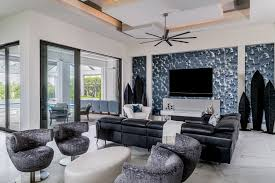
The trend of stark, cool-toned interiors is declining. Modern luxury homes now favor warm whites, creamy neutrals, and natural materials like white oak and walnut, which create a cozy, inviting atmosphere that is both appealing and timeless. Homeowners enhance this look with layered textures and sophisticated lighting to add depth and comfort. Decorative wall treatments, accent ceilings, and fireplaces help personalize and soften the spaces. Furniture choices include plush, tactile fabrics such as bouclé, velvet, and linen, creating interiors that are elegant yet comfortable. Statement lighting, including sculptural chandeliers and artisanal fixtures, serves both as decorative art and as practical illumination.
The Rise of Functional Spaces
Modern luxury buyers prioritize both functionality and aesthetics. Features such as sculleries, prep kitchens, and appliance garages help keep the main kitchen clean, making hosting easier. Wellness options such as steam showers, saunas, and home gyms transform residences into personal retreats suited to health-focused lifestyles. Versatile spaces are essential, with rooms that serve multiple purposes. Home offices equipped with custom-built-ins, integrated technology, and soundproofing provide privacy. Guest suites function as retreat areas or accommodate multi-generational living. Playrooms, media lounges, and creative studios meet the needs of contemporary families, boosting home value and improving overall quality of life.
Seamless Indoor-Outdoor Living
Outdoor spaces are now integral to luxury homes, featuring covered areas, outdoor kitchens, and resort-style pools that expand living space and enhance appeal. Architectural design seamlessly integrates indoors and out through large sliding doors, expansive windows, and aligned flooring. Landscaped gardens, fire pits, and water features create a tranquil retreat near the main living areas. Alfresco pavilions, reading nooks, and lush courtyards enable residents to connect with nature, entertain, and enjoy the seasons without leaving home. These outdoor areas are crafted with the same care as indoor spaces, boosting property value and appeal.
Smart Storage Solutions
Clutter-free living is a hallmark of luxury. Thoughtful storage solutions, including built-out mudrooms, walk-in pantries, and custom closets, ensure that every item has its place, contributing to a serene and organized environment.
Integrated cabinetry, hidden compartments, and multi-functional furniture enable homeowners to maximize every square foot while maintaining a seamless aesthetic. Designer closets often incorporate lush lighting, display shelving for accessories, and custom drawer systems, turning storage into a statement of luxury and efficiency. Smart home technology further enhances storage solutions, with automated systems for on-demand organization, climate control for wine rooms, and secure storage for valuables, blending practicality with innovation.
High-Performance Home Systems
Modern luxury homes incorporate sophisticated systems like multi-zone HVAC, humidity control, insulation, and generators, enhancing comfort, efficiency, and sustainability. Smart platforms allow wireless management of lighting, sound, security, and climate via smartphones and voice commands. Innovations such as automated shading, energy monitoring, and air purification focus on health, convenience, and eco-friendliness. These features establish new benchmarks for comfort and simplicity in luxury residences.
Eco-Friendly and Sustainable Features
Sustainability is central to luxury home design, highlighted by features like solar panels, energy-saving appliances, and eco-friendly materials that reduce environmental impact and appeal to eco-minded buyers. Elements such as green roofs, rainwater harvesting, natural landscaping, reclaimed wood, low-VOC finishes, and energy-efficient windows exemplify responsible luxury. Modern eco-conscious amenities, such as waste management solutions and EV charging stations, align with buyers’ environmental values, seamlessly combining comfort, elegance, and sustainability. Ultimately, sustainable living reshapes contemporary luxury by embedding eco-friendly principles into home design.
Timeless Design Over Flashy Trends
Today’s luxury buyers favor “quiet luxury”—understated elegance that emphasizes quality materials and craftsmanship over ostentatious displays. Honed stone surfaces, fluted cabinetry, and matte metal finishes create a sophisticated ambiance that remains stylish over time.
Artisan and locally made elements are now celebrated, including hand-finished woodwork, bespoke tiles, and curated art collections that reflect a homeowner’s tastes and values. Rather than following fleeting design fads, luxury homes now embrace design choices that promise longevity and understated beauty, ensuring enduring value. Personalization, whether through custom millwork or unique fixtures, offers both individuality and exclusivity, central tenets of contemporary luxury.
Emerging Lifestyle Amenities
Modern buyers prefer properties with experiential amenities, such as wine cellars, in-home theaters, golf simulators, and advanced technology suites. Wellness areas like yoga studios, meditation gardens, and hydrotherapy rooms support holistic living. Homeowners also value private galleries and craft rooms for their interests. Concierge services, including package handling and remote home management, improve convenience. These are complemented by privacy, security, and smart technology features that increase the property’s appeal.
Conclusion
The luxury real estate market is evolving to meet the needs of modern buyers seeking homes that offer comfort, functionality, and sustainability. By embracing these trends, homeowners can create spaces that not only provide daily enjoyment but also hold lasting value in an ever-changing market.