
How to Extend the Life of Your Home’s Costliest Fabrics
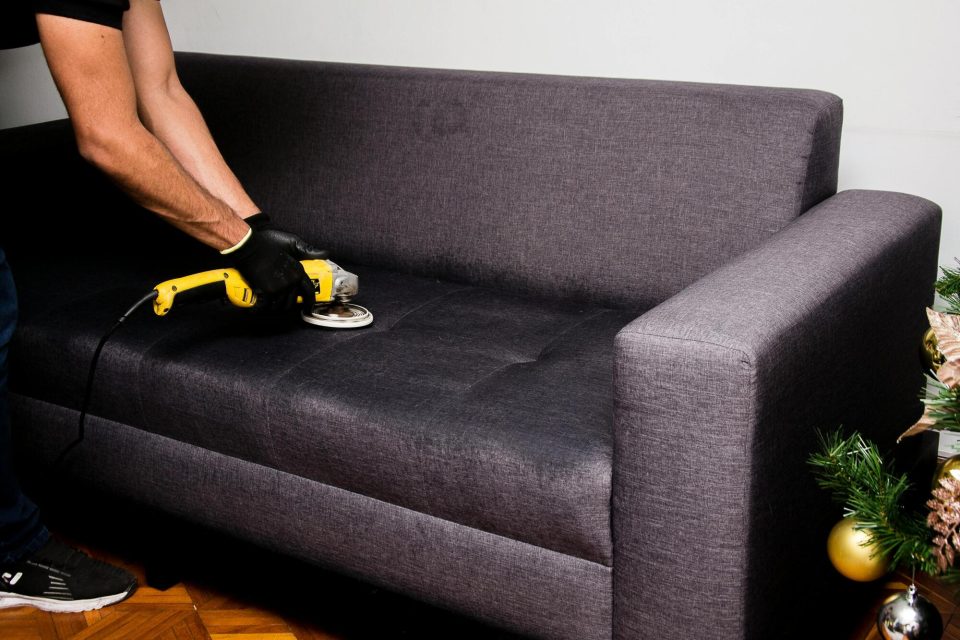
Fabrics are one of the most expensive parts of home furnishing. Sofas, curtains, rugs, bedding, and chairs all use fabric; these items are not only for comfort but also for style.
When they look clean and fresh, the whole home looks better. But fabrics wear out over time. They fade, tear, or become dirty.
Replacing them is costly. The good news is that you can make them last longer. You only need simple care habits and regular maintenance.
Small actions done often can protect your fabrics for many years. Read on.
Clean Regularly to Prevent Damage
Cleaning is the most basic and most important step. Dirt is not always visible, but it slowly damages fabric fibers. When dust builds up, it makes fabric weak and dull.
Vacuum your sofas, chairs, and rugs at least once a week. Use a soft brush tool if available. This helps remove dust without harming the fabric.
Do not wait for dirt to become visible before cleaning. Curtains should also be cleaned.
Light dust can settle on them quickly. Shake them gently or vacuum them carefully.
Bedding should be washed regularly to remove sweat, oils, and dust mites. Regular cleaning keeps fabric strong. It also keeps colors bright for longer.
Limit Sun Exposure
Sunlight can damage fabric over time. It may look nice to have bright sunlight in the room, but it slowly fades colors. Strong sunlight can also make fabric weak and dry.
Try to control sunlight inside your home. You can use curtains, blinds, or shades. These help block strong rays during the hottest part of the day.
If possible, rotate furniture sometimes. This means changing the position of cushions or moving chairs slightly. This helps spread sunlight exposure evenly.
It prevents one side from fading faster than the other. Small changes like this help your fabric last longer.
Act Quickly on Spills and Stains
Spills happen in every home. The important thing is how fast you respond. If you act quickly, stains will not go deep into the fabric.
Always blot spills right away using a clean cloth. Do not rub the stain; rubbing spreads the liquid and pushes it deeper. Press gently and repeat until the liquid is absorbed.
Use safe cleaning products made for fabric. Do not use strong chemicals unless you are sure they are safe. Some chemicals can damage color or weaken fibers.
For expensive fabrics, it is better to check the care instructions first. If you are unsure, call a professional cleaner. Fast action can save your fabric from permanent damage.
Use Protective Covers and Treatments
Protective covers are very helpful. They act as a shield for your furniture. Slipcovers can protect sofas and chairs from dust, spills, and daily wear.
Throws and blankets can also protect fabric surfaces. They are easy to wash and replace. This helps reduce direct contact with the original fabric.
You can also use fabric protection sprays. These sprays create a thin layer that repels water and dirt. They help prevent stains from soaking in quickly, and these simple protections can greatly extend fabric life.
Practice Careful Daily Use
How you use your furniture matters a lot. Many people damage fabric without realizing it. Do not sit on armrests or edges of sofas, as this weakens seams and causes tears over time.
Avoid dragging sharp or heavy objects across fabric surfaces. Be careful with pets. Their claws can pull threads or cause scratches.
If you have pets, try using covers or keeping them off delicate furniture. For rugs, avoid dragging heavy furniture on them, as this can stretch and damage fibers. Small habits like these protect your fabric every day.
Control Indoor Temperature and Humidity
The environment inside your home affects fabric condition. Too much moisture can lead to mold and bad smells. Very dry air can make fabric stiff and fragile.
Try to keep your home balanced. Good ventilation helps reduce moisture. In very humid areas, a dehumidifier can help, and in dry areas, adding a bit of humidity can protect fibers.
Keep fabric away from damp walls or wet areas. This is very important for rugs and curtains. A stable environment keeps fabrics strong for longer.
Choose the Right Cleaning Products
Not all cleaning products are safe for every fabric. Some fabrics are delicate and need gentle cleaners. Others are stronger and can handle normal cleaning solutions.
Always check labels before using any product. If the label says “safe for upholstery,” it is usually fine. Avoid bleach unless clearly allowed.
Mild soap and water often work best for simple cleaning. For stains, use cleaners made for specific fabric types. Using the wrong product can cause fading, shrinking, or damage.
Create a Simple Maintenance Schedule
Many people forget to maintain fabrics regularly. A simple schedule can help. For example:
- Weekly: vacuum sofas, chairs, and rugs
- Monthly: rotate cushions and check for stains
- Every 3-6 months: deep clean curtains and upholstery
- Yearly: professional cleaning for expensive items
Having a routine makes care easier. You do not need to think too much; you just follow the schedule. Consistency is more important than doing deep cleaning once in a while.
Professional Cleaning and When to Use It
Sometimes, home cleaning is not enough. High-value fabrics need expert care. Professional cleaners have tools that can remove deep dirt without damage.
You should consider professional cleaning for:
- Expensive sofas
- Antique furniture
- Heavy curtains
- Large rugs
They know how to treat different types of fabric. This reduces the risk of damage.
Even if it costs money, it can save more in the long run by avoiding replacements. Hire the right experts, and you’ll see the difference in the results.
Maintain a Smooth and Clean Fabric at Home
Taking care of expensive fabrics does not need to be hard. It only needs regular attention and simple habits.
Clean often, protect from sunlight, and act fast on spills. Use covers, handle furniture carefully, and keep your home environment stable. Follow a simple cleaning schedule and call professionals when needed.
Good fabric care is really about consistency. Small actions done regularly make the biggest difference.