
A Homeowner’s Guide to Keeping a Roof Strong in a Changing Climate
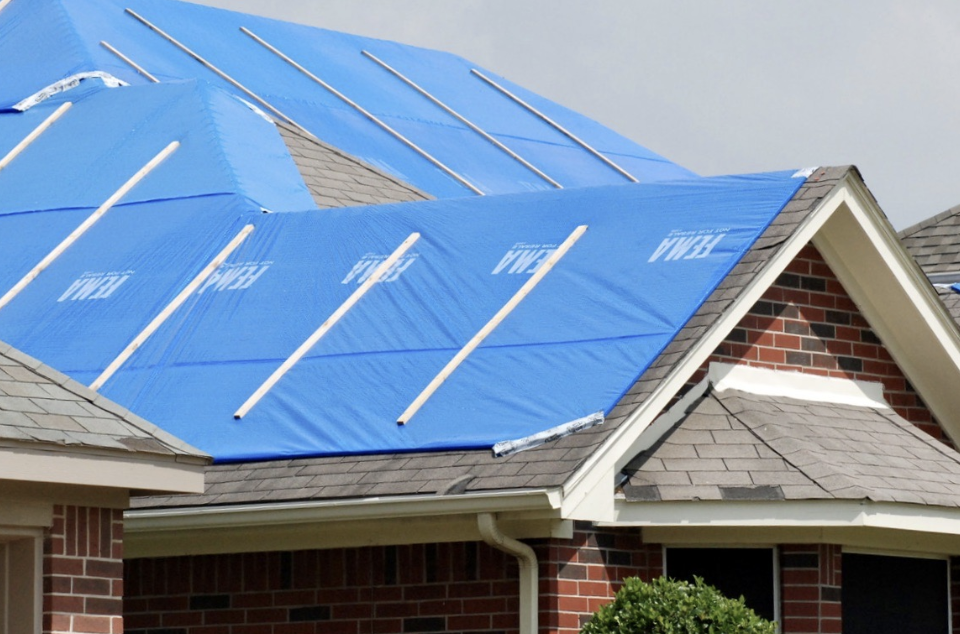
A roof is easy to overlook until a leak, storm, or missing shingle forces it onto the priority list. For homeowners in growing communities, staying ahead of roof maintenance can protect comfort, curb appeal, and long-term property value.
Why Roof Care Should Be Proactive
Your roof does more than cover the top of your home. It helps manage moisture, supports energy efficiency, protects insulation, and contributes to the overall look of the property. Small issues can spread quietly, especially when water finds its way under shingles, around flashing, or into attic spaces.
A proactive approach helps homeowners catch problems before they become expensive repairs. This is especially important in areas that experience heat, humidity, heavy rain, wind, and seasonal storms.
Common Signs Your Roof Needs Attention
Not every roofing problem is obvious from the ground. Still, there are several warning signs homeowners can watch for:
- Missing, cracked, curled, or lifted shingles
- Dark streaks, moss, or algae growth
- Water stains on ceilings or walls
- Granules collecting in gutters
- Sagging rooflines or soft-looking areas
- Damaged flashing around chimneys, skylights, or vents
- Higher energy bills without a clear explanation
One sign does not always mean a roof needs replacement, but it does mean the system deserves a closer look.
The Value of Local Roofing Knowledge
Roofing is not one-size-fits-all. A home’s age, slope, ventilation, tree coverage, and exposure to storms all affect how a roof performs. Local experience matters because contractors familiar with the area understand common weather patterns, neighborhood home styles, and material choices that hold up best over time.
Homeowners comparing options for roofing Peachtree City should look for professionals who combine inspection skill, clear communication, and practical recommendations instead of pushing unnecessary work.
Repair or Replace: How to Think Through the Decision
Many homeowners worry that calling a roofer automatically means hearing they need a full replacement. In reality, the right solution depends on the roof’s condition.
Repairs may make sense when:
The roof is relatively young, the issue is isolated, and the surrounding materials are still performing well. Examples include a small flashing problem, a few missing shingles, or minor storm damage.
Replacement may be smarter when:
The roof is near the end of its expected lifespan, leaks are recurring, shingles are widely deteriorated, or hidden decking damage is discovered. In these cases, repeated repairs may cost more over time than installing a complete new system.
What to Expect From a Quality Roof Inspection
A good inspection should be thorough, organized, and easy to understand. Homeowners should expect the contractor to review visible roof surfaces, flashing, gutters, ventilation, attic conditions when accessible, and signs of moisture intrusion.
The best roofing conversations are educational. Instead of vague claims, homeowners should receive clear explanations of what was found, why it matters, and what options are available. Photos or drone images can also help make the findings easier to review.
Maintenance Habits That Extend Roof Life
Even a well-installed roof needs care. Simple habits can reduce unnecessary wear and help the system perform longer.
Keep gutters clear so water can drain properly. Trim branches that scrape shingles or drop heavy debris. Check ceilings after major storms for signs of moisture. Schedule periodic inspections, especially after severe weather. Make sure attic ventilation is working properly, since trapped heat and moisture can shorten roof life.
These steps do not replace professional service, but they help homeowners stay informed and avoid preventable damage.
Choosing the Right Roofing Partner
A roofing project affects one of the most important protective systems in the home, so choosing the right contractor matters. Look for licensing, insurance, manufacturer certifications, local experience, workmanship standards, and a clear written scope of work.
Communication is just as important as materials. A dependable contractor should explain timelines, cleanup expectations, warranty details, and what happens if hidden damage is found during the project. Homeowners should never feel rushed into a decision they do not understand.
Conclusion
A strong roof supports the entire home, from weather protection to comfort and curb appeal. By watching for warning signs, scheduling inspections, and working with knowledgeable local professionals, homeowners can make confident decisions before small issues become major problems. Whether the next step is maintenance, repair, or replacement, the goal is the same: a roof that protects the home reliably for years to come.