
Structured Living Programs Supporting Men in Recovery
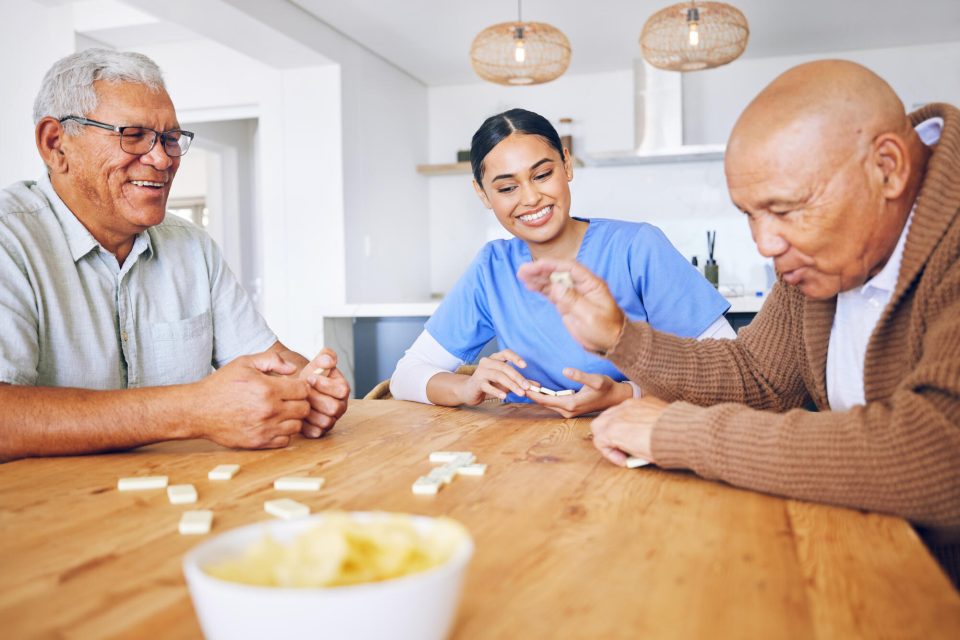
Programs that support men in recovery play a key role in helping individuals rebuild their lives with structure and stability. These programs focus on daily habits that promote responsibility and consistency. They also create an environment where progress feels realistic and steady.
Many men benefit from having clear expectations and supportive guidance during early recovery. The right setting can reduce relapse risks and improve long-term outcomes. Strong routines and accountability often become the foundation for lasting change.
Explore how programs that support men in recovery build stronger futures through structured living and support systems below. Continue reading to discover everything you need to know!
Structured Daily Routines in Recovery Housing
Structured daily routines help create order during a time that can feel uncertain. Men in recovery benefit from knowing what each day will look like. Simple schedules reduce stress and support better decision-making.
Regular sleep, meals, and activities improve physical and mental health. These routines also help rebuild discipline that may have been lost. Over time, consistency becomes a stabilizing force that supports long-term recovery.
Accountability Systems That Encourage Progress
Accountability is a core part of structured recovery living. Regular check-ins help track progress and identify challenges early. Clear expectations guide behavior in a supportive way.
Men learn to take responsibility for their actions in small daily steps. Positive reinforcement encourages steady improvement. This system helps build trust and personal discipline over time.
Peer Support and Community Stability
Peer support creates a sense of belonging that many men need during recovery. Living alongside others with similar goals reduces feelings of isolation. Shared experiences often lead to stronger motivation to stay on track.
One example of supportive environments can be seen in models like Gambit Recovery men’s sober living, where community structure plays a central role in daily recovery life. Conversations and group activities help build trust among residents. This sense of community often becomes a key factor in long-term stability.
Skill Building for Independent Living
Skill building is an important part of structured recovery programs. Men are encouraged to develop life skills that support independence. This may include financial management, job readiness, and time management.
Practical training helps prepare individuals for life after structured housing. Confidence grows as new skills are practiced regularly. These tools help create a smoother transition to independent living.
Mental Health and Emotional Support Structures
Mental health support is a key part of recovery success. Structured programs often include access to counseling and emotional guidance. Men are encouraged to express challenges in a safe environment.
This helps reduce emotional pressure that can lead to relapse. Learning healthy coping strategies becomes part of daily life. Over time, emotional stability improves and supports long-term healing.
Long-Term Reintegration and Relapse Prevention
Long-term reintegration focuses on preparing men for life beyond structured housing. Planning for work, relationships, and responsibilities is part of this stage. Continued support helps reduce the risk of setbacks.
Men learn how to identify triggers and manage them effectively. Relapse prevention strategies are reinforced through routine practice. This stage builds confidence for a stable and independent future.
Discover Structured Living Programs Supporting Men in Recovery
Structured recovery programs provide more than temporary support. They help men rebuild discipline, stability, and confidence step by step. Each part of the program works together to create long-term change.
From daily routines to emotional support, every element has a clear purpose. The goal is to prepare individuals for a healthier and more independent life. With the right structure in place, lasting recovery becomes more achievable.
Should you wish to read more, visit our blog page. We’ve got more!