
Understanding the Lifecycle of Gas Systems in Modern Households
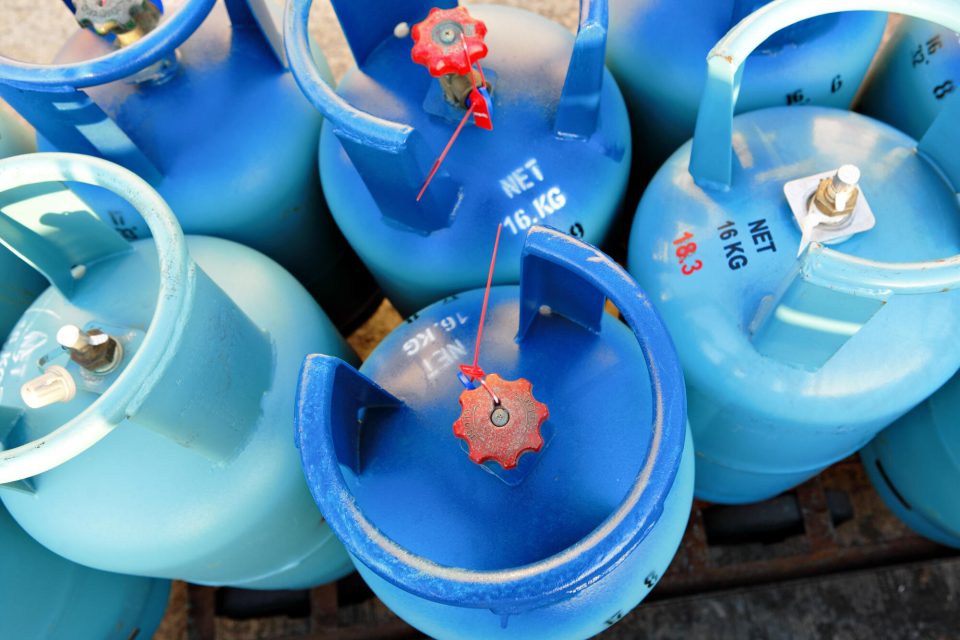
Gas systems are important in many homes today. They help power stoves, heaters, water heaters, and other appliances. Many families use gas because it works well and heats quickly. A safe and working gas system helps keep a home comfortable.
Gas systems must be installed the right way. Proper setup helps prevent leaks and other safety problems. Trained workers usually handle the installation process.
Continue reading to discover everything you need to know.
The Installation Process
Installing a gas system takes careful work and planning. Workers first inspect the home and choose safe pipe locations. They also check local rules and safety codes. This helps make sure the system works properly.
Strong pipes and quality materials are important for gas systems. Poor materials may lead to leaks or damage later. Workers also test the system before it is used. Testing helps make sure everything is safe for the household.
Daily Use of Household Gas Systems
Many people use gas systems every day without problems. Gas may be used for cooking, heating, and hot water. Safe use is important to protect the home and family. Homeowners should follow safety instructions for all gas appliances.
Good airflow is also important in homes with gas systems. Fresh air helps reduce harmful fumes inside the house. Gas appliances should never be blocked or covered. Simple safety habits help lower risks at home.
Signs of Gas System Problems
Gas systems may wear down over time. Small problems can grow worse if ignored for too long. Strange smells, weak flames, or high gas bills may be warning signs. These problems should be checked quickly.
Homeowners should never ignore gas leaks. A gas smell inside the home may be dangerous. Leave the house and contact professionals right away. Fast action can help prevent fires or health problems.
The Importance of Regular Maintenance
Regular maintenance helps gas systems stay safe and efficient. Workers may inspect pipes, valves, and gas appliances during service visits. Cleaning and testing also help improve system performance. Propane Installation & Maintenance may help the system last longer.
Regular inspections may also help lower repair costs later. Small repairs are often easier and cheaper to fix early. Homeowners should keep records of inspections and repairs. A good maintenance schedule helps avoid major issues.
Replacing Old Gas Systems
Older gas systems may stop working well over time. Rust, leaks, and worn parts can create safety risks. Sometimes repairs are no longer enough to solve the problem. Replacing the system may become the safest choice.
New gas systems are often more efficient than older models. They may use less fuel and have lower monthly energy costs. Modern systems also include updated safety features. Replacing old equipment can improve home safety and comfort.
Safe Practices for Homeowners
Homeowners play an important role in gas safety. Learning how the system works helps people notice problems early. Families should know where gas shut-off valves are located. Quick action during emergencies can help prevent damage.
Managing the Lifecycle of Household Gas Systems
Gas systems go through many stages during their lifespan. They begin with installation, continue through daily use, and require regular maintenance. Over time, repairs or replacement may also become necessary. Understanding each stage helps homeowners make smart choices.
Safe use and regular care can help gas systems last longer. Early attention to problems may prevent bigger safety risks later. Professional inspections and proper maintenance help keep homes safe and efficient. Good lifecycle management supports comfort, safety, and peace of mind for families.