
Everyday Readiness for Handling Urgent Situations
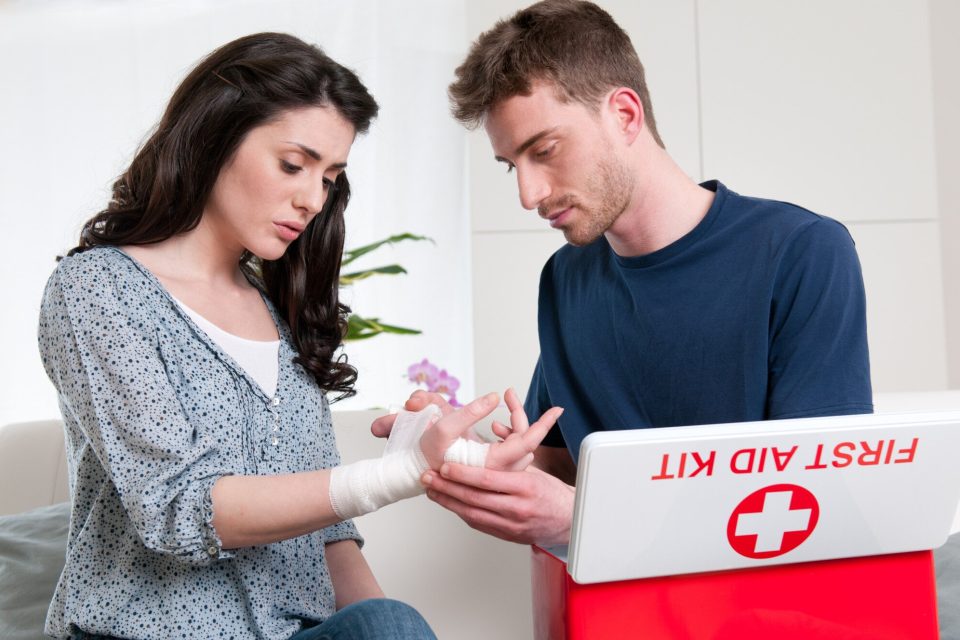
Could you stay calm if someone near you started bleeding badly? Urgent moments can feel confusing, especially when every second seems important.
Most people want to help, but they may not know what to do first or how to stay safe while taking action. Basic readiness can turn panic into a clear next step. It can also help people notice risks before a small problem grows.
This article explains how everyday emergency awareness can build confidence, speed, and safer choices.
Why Readiness Matters
Emergencies rarely arrive with warning, and people often react before they think. A fall, tool injury, crash, or kitchen accident can create stress fast for everyone nearby. When you have a simple response plan in mind, you are less likely to freeze or waste time.
Readiness does not mean acting like a doctor or guessing beyond your training. It means knowing how to call for help, protect yourself, follow basic steps, and listen to emergency guidance. That kind of preparation can support better decisions until trained responders arrive and take over the scene.
Know the First Signs
Severe bleeding may look different from a small cut, so it deserves quick attention. Blood may flow quickly, soak clothing, pool on the ground, or keep coming after steady pressure is applied. The person may also become pale, weak, confused, cold, dizzy, or very anxious.
Noticing these signs helps you treat the moment with care instead of doubt. It also reminds you to get emergency help right away, even if others are nearby. Fast recognition can keep the scene moving in a safer direction and reduce delays that make stress worse.
Build Simple Response Habits
Good habits make urgent action easier because your mind has fewer choices to sort. Keep charged phones nearby, learn your workplace safety plan, and know where basic supplies are stored. These small steps can save time when people feel scared, crowded, or unsure about who should lead.
Training can also make those habits feel more natural when pressure is high. A focused option like https://cprcertificationnow.com/products/first-aid-for-severe-bleeding-certification can support knowledge of severe bleeding response. The goal is not perfection, but useful confidence that helps you follow clear steps and avoid unsafe guesses.
Practice Safety Before Action
Helping someone also means watching the area around you before you move closer. Traffic, broken glass, sharp tools, pets, fire, or unstable furniture can put more people at risk. Take a breath, look around, and avoid rushing into danger that could create another emergency.
Personal safety matters during any first aid response because helpers need protection too. Use barriers when available, avoid direct contact with blood, and follow emergency instructions carefully. Staying calm helps you give clearer information to dispatchers and responders, including the location, injury type, and any changes.
Ready When It Counts
Prepared people do not need to know everything about emergency care. They need enough awareness to act sooner, speak clearly, and avoid unsafe choices while help is coming. In urgent situations, simple knowledge can help turn fear into focused action that supports the person in trouble.
Everyday readiness is a practical skill for homes, workplaces, schools, and public spaces. When more people understand the basics, everyone has a better chance of getting help at the right time.
Did you find this article helpful? Check out the rest of our blog now!