
How the Right Roofing Materials Can Increase Home Value and Long-Term Performance
When homeowners think about improving property value, they often focus on kitchen remodels, landscaping upgrades, or interior renovations. While these projects can certainly enhance a home’s appeal, one of the most impactful investments is often sitting directly overhead: the roof.
A well-designed roofing system does far more than protect a house from the elements. It influences energy efficiency, curb appeal, maintenance costs, and even resale value. Selecting the right roofing materials can make a significant difference in how a home performs over the years while creating a positive impression on future buyers.
Understanding what separates a high-performing roof from an average one can help homeowners make smarter decisions when planning repairs, replacements, or new construction projects.
Why Roofing Material Selection Matters
Not all roofing materials are created equal. Different products offer varying levels of durability, weather resistance, lifespan, and visual appeal.
The ideal roofing material depends on several factors, including:
- Local climate conditions
- Architectural style
- Budget considerations
- Long-term maintenance goals
- Energy efficiency priorities
Choosing materials solely based on initial cost can sometimes lead to higher expenses later if frequent repairs or premature replacement become necessary.
A strategic approach focuses on total value over the life of the roof rather than just the upfront investment.
The Relationship Between Roofing and Property Value
Real estate professionals consistently note that buyers pay close attention to roofing condition during the purchasing process. An aging or damaged roof can become a major negotiating point and may even delay a sale.
Conversely, a newer roof often creates confidence among prospective buyers because it signals reduced maintenance concerns in the near future.
Some of the ways a quality roof can positively influence property value include:
Enhanced Curb Appeal
The roof occupies a substantial portion of a home’s visible exterior. Clean lines, attractive materials, and a well-maintained appearance contribute significantly to overall aesthetics.
Increased Buyer Confidence
Potential buyers often view a newer or recently upgraded roof as evidence that the property has been properly maintained.
Reduced Future Expenses
A roof with modern materials and proper installation can lower the likelihood of costly repairs after a purchase, making the property more attractive.
Better Energy Performance
Many contemporary roofing systems are designed to reflect heat more effectively, helping homeowners manage indoor temperatures and reduce energy consumption.
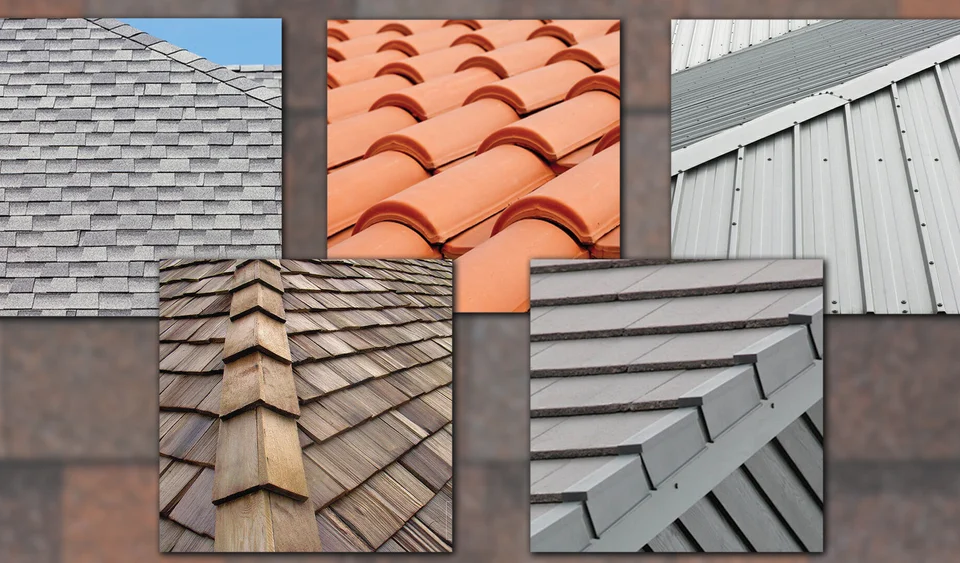
Popular Roofing Material Options
Homeowners today have more roofing choices than ever before. Each material offers distinct advantages depending on the needs of the property.
Asphalt Shingles
Asphalt shingles remain one of the most common residential roofing materials due to their affordability and versatility.
Benefits include:
- Wide range of colors and styles
- Relatively simple installation
- Strong value for many homeowners
- Suitable for diverse architectural designs
Metal Roofing
Metal roofs have gained popularity because of their longevity and durability.
Advantages often include:
- Resistance to harsh weather conditions
- Long service life
- Energy-efficient performance
- Minimal maintenance requirements
Architectural Shingles
These upgraded shingles provide greater dimensional appearance and enhanced durability compared to traditional options.
Many homeowners choose architectural shingles to achieve a more premium look while maintaining cost-effectiveness.
Specialty Roofing Products
Depending on regional preferences and design goals, homeowners may also explore tile, slate, composite, or synthetic roofing materials.
Each option offers unique performance characteristics that should be evaluated alongside local climate demands.
The Importance of Professional Installation
Even the highest-quality roofing materials can underperform if they are not installed correctly. Proper installation affects everything from water drainage and ventilation to structural integrity and warranty coverage.
Key installation factors include:
- Accurate flashing placement
- Proper underlayment application
- Ventilation design
- Secure fastening methods
- Compliance with local building codes
Because roofing systems consist of multiple interconnected components, attention to detail during installation can significantly impact long-term results.
Homeowners researching modern roofing solutions and professional installation practices often look to resources such as trusted roofing from Ideal Precision Roofing to better understand the elements that contribute to durable and reliable roofing systems.
Energy Efficiency Benefits of Modern Roofing
Energy efficiency has become an increasingly important consideration for homeowners seeking both comfort and cost savings.
A properly designed roof can help regulate indoor temperatures throughout the year by reducing unwanted heat transfer.
Features that contribute to improved efficiency may include:
- Reflective roofing surfaces
- Enhanced attic ventilation
- Advanced insulation systems
- Modern underlayment technologies
These improvements can help reduce strain on HVAC systems while creating a more comfortable living environment.
Maintenance Still Matters
Regardless of the material selected, every roof benefits from routine maintenance.
Preventive care helps identify minor issues before they become major problems and can extend the lifespan of the roofing system.
Recommended maintenance practices include:
- Scheduling regular inspections.
- Keeping gutters clear of debris.
- Monitoring for damaged shingles.
- Addressing storm damage promptly.
- Trimming nearby tree branches.
A proactive maintenance strategy helps homeowners maximize the return on their roofing investment.
Planning for the Future
Roof replacement is one of the most significant exterior projects a homeowner will undertake. While it may be tempting to focus solely on immediate needs, considering long-term performance often leads to better outcomes.
Questions worth asking include:
- How long do I plan to stay in the home?
- What weather conditions does my roof regularly face?
- Are energy savings a priority?
- How important is resale value?
- What level of maintenance am I comfortable managing?
Answering these questions can help narrow material choices and guide more informed decisions.
Conclusion
A roof is much more than a protective covering. It plays a central role in a home’s appearance, efficiency, durability, and overall value. By carefully selecting quality materials and ensuring proper installation, homeowners can enjoy decades of reliable performance while strengthening their property’s market appeal.
Whether planning a future replacement or evaluating current roofing options, investing in a durable, well-designed roofing system remains one of the smartest ways to protect both a home and the investment it represents.