
Why Are My Teeth Sensitive After Whitening? Here’s What Dentists Want You To Know
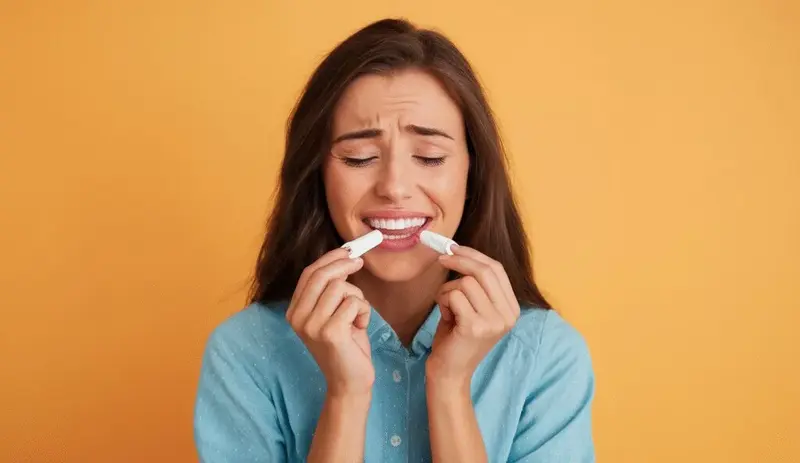
You might be feeling a little frustrated right now. You finally whitened your teeth, you were excited to see a brighter smile in the mirror, and then it hit you. A sharp, zinging pain when you sip cold water or breathe in cool air. Suddenly you are wondering if you did something wrong or even damaged your teeth. For more information, visit suncreekdental.com.
If that sounds familiar, you are not alone. Tooth sensitivity after whitening is very common, and in most cases it is temporary and manageable. The short version is this. Whitening opens tiny pathways in your teeth so the bleaching ingredient can work, which can also make your teeth a bit more reactive to hot, cold, or sweet. The good news is that this usually settles down within a few days, and there are simple ways to calm things down and protect your smile.
So where does that leave you right now. You want relief, and you also want to know if it is safe to keep whitening in the future. That is exactly what this guide will walk you through.
What is actually happening when your teeth feel sensitive after whitening?
To understand why you have sensitive teeth after whitening, it helps to know what the whitening gel is doing. Most whitening products use peroxide based ingredients. These pass through the outer enamel and reach the inner layer of the tooth, where they break up stains.
Enamel itself has no nerves, but underneath it lies dentin, which contains tiny tubules that lead to the nerve of the tooth. Whitening can temporarily open or irritate these tubules. Because of this, normal triggers like cold air or iced drinks can reach the nerve more easily, which you feel as a quick, sharp pain.
Professional organizations such as the American Dental Association explain that whitening is generally safe when used as directed, but sensitivity is a known short term side effect. You can read more about how whitening works from the ADA’s overview of tooth whitening options and safety.
This does not mean your teeth are crumbling or permanently damaged. It usually means your teeth are just a little “stirred up” from the process and need a chance to calm down.
When should you worry about tooth sensitivity after whitening?
Most people notice mild to moderate sensitivity that comes and goes. It tends to peak in the first 24 to 48 hours after whitening and then fade. That pattern is usually nothing to panic about.
The concern starts when the pain is strong, constant, or lingers long after triggers like cold or heat are gone. For example, if a sip of cold water causes pain that lasts more than a minute or two, or if you start waking up at night from tooth pain, something else might be going on.
You might also notice sensitivity in just one or two teeth instead of all of them. That can suggest a hidden cavity, a cracked tooth, or gum recession that made that spot more vulnerable. Whitening can “unmask” these problems by making you more aware of them.
The Mayo Clinic points out that sensitive teeth can be related to decay, worn enamel, exposed roots, or other conditions, not just whitening. You can explore these causes in their guide to why teeth become sensitive and what can help. If what you feel does not match typical short lived whitening sensitivity, it is time to talk with a dentist.
Are teeth whitening treatments actually safe, or did you cause harm?
This is where many people start to worry. You might be asking yourself whether that at home kit or in office treatment has permanently harmed your enamel. The reassuring answer is that when whitening is done correctly, it is considered safe by major health organizations.
According to experts at the Cleveland Clinic, professional whitening and properly used over the counter products do not weaken enamel long term. Any changes are usually temporary. They also emphasize the importance of following product directions and not overusing whitening gels or strips. You can read their full explanation of how safe teeth whitening is and what to watch for.
So why does it feel so intense at times. Because the nerve inside the tooth is very sensitive, even a small increase in exposure can feel like a big change. That sensation can be alarming, but it does not automatically mean permanent damage. The key is how quickly things improve and whether you give your teeth a chance to recover.
Professional whitening vs DIY kits. Which causes more sensitivity?
You might be wondering if choosing professional whitening would have spared you this discomfort, or if your at home kit was the safer route. The truth is that both options can cause sensitivity, though in different ways.
The table below compares some key points that often matter to people who are worried about sensitive teeth after whitening.
| Option | Typical Strength | Common Sensitivity Level | Pros | Cons |
|---|---|---|---|---|
| In office professional whitening | Higher concentration, shorter time | Moderate to high for 24 to 48 hours | Fast results, dentist can protect gums and monitor teeth | More expensive, stronger short term sensitivity risk |
| Custom trays from a dentist | Moderate concentration, worn several days | Mild to moderate, often spread over several days | Better fit, dentist can adjust strength and duration | Slower results compared with in office treatments |
| Over the counter strips or trays | Lower concentration, longer use | Mild to moderate, varies with product and use | More affordable, convenient at home | One size fits all fit, higher chance of overuse or misuse |
| Whitening toothpaste only | Very low, surface stain removal | Usually mild if any | Easy to use daily, minimal cost | Limited whitening effect compared to gels or strips |
Professional treatments often use stronger products, so the sensitivity can feel more intense, but you also have a dentist watching for problems and using desensitizing products as needed. At home kits tend to be gentler, yet people sometimes overdo them or leave them on too long, which can increase irritation.
The safest choice for your situation depends on your enamel, your history of sensitivity, and how aggressive you want to be with whitening. This is why a quick checkup before any whitening plan is so helpful.
What can you do right now to calm sensitive teeth after whitening?
You do not have to simply wait and suffer. There are practical steps you can take today to soothe your teeth and reduce the chances of more sensitivity in the future.
1. Pause or space out your whitening sessions
If you are using an at home kit and your teeth are zinging, stop for a few days. Give your teeth time to recover. Many people find that whitening every other day or a few times per week instead of daily brings far less discomfort without sacrificing results.
If you recently had an in office whitening treatment, avoid any additional whitening products for at least several days. That includes strips, pens, or very strong whitening toothpastes. Your teeth are already “on high alert” and need a rest.
2. Use products made for sensitivity and be gentle with your routine
Switch to a toothpaste designed for sensitive teeth. These formulas help block the tiny tubules in your dentin so the nerve is less exposed. It can take a couple of weeks to see full benefit, but many people notice at least some relief quickly.
Use a soft bristled toothbrush and avoid scrubbing, especially near the gumline. Brushing too hard can wear enamel and expose roots, which only adds to the problem. Lukewarm water is kinder than very cold water for rinsing.
You can also avoid very hot or very cold foods for a few days. Skip ice chewing, very cold drinks, and extremely hot coffee if they set off pain. This is not forever. It is just to give your teeth a break while they settle.
3. Check in with a dentist if the pain is strong or lingers
If sensitivity after whitening is severe, keeps getting worse, or lasts more than a week, it is time for a professional opinion. This is especially important if only one or two teeth hurt, or if you notice swelling, dark spots, or a crack.
A dentist can check for cavities, cracks, gum recession, or worn enamel that might need treatment. They can also offer in office fluoride or desensitizing treatments and adjust any future whitening plan so it is safer and more comfortable for you. For many people, a tailored approach to teeth whitening and sensitivity makes all the difference between a painful experience and a manageable one.
Finding a healthier balance between a white smile and comfortable teeth
Wanting a brighter smile is completely understandable. You deserve to feel confident when you smile, and whitening can support that. At the same time, no cosmetic goal is worth constant pain or worry.
The key is to treat whitening as a medical procedure, even if you do it at home. That means checking your teeth and gums first, choosing the right method, using products as directed, and giving your teeth time to rest. When you do that, post whitening tooth sensitivity usually becomes a short chapter, not the whole story.
If you are still unsure whether what you are feeling is normal or if whitening is right for your mouth, reach out to a trusted dentist and bring your questions. A short conversation can spare you a lot of guessing and give you a clear, safe plan forward.