
The Annual Winter Preparedness Plan for Foothill Commercial Properties: Winter Readiness Starts Before the First Forecast
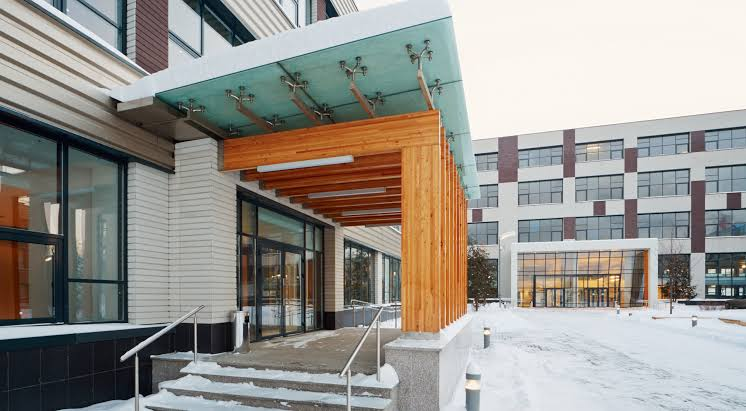
The Annual Winter Preparedness Plan for Foothill Commercial Properties: Winter Readiness Starts Before the First ForecastJanuary–February: Let the Difficult Days Write the Plan
The best time to understand a property’s winter weaknesses is while they are visible.
Snow Removal Expert’s property winter planning starts with observing what actually happens during active winter conditions. Fast clearing, modern equipment, 24/7 availability, scheduled plans, safety-focused ice control, and transparent pricing matter, but no contractor can improve a property-specific plan without knowing where the site repeatedly struggles.
January and February should therefore produce notes for next season, not just work orders for the current one.
Track Recurring Trouble Spots
Record where drifting closes lanes, where vehicles compact snow, which entrances become slippery, and which snow piles send meltwater across pavement during warm afternoons.
Foothill properties should pay particular attention to changing conditions during Chinook periods. A parking area that is stable during cold weather may develop a different problem when rapid melting begins.
Review Response Timing
Compare each event with the plan.
Were crews activated early enough? Did priority entrances reopen before occupancy increased? Did a loading area need more frequent treatment than expected?
Small observations collected now become useful planning data later.
March–April: Manage Meltwater and Freeze-Thaw Risk
Winter preparedness for Cochrane properties should not end when daytime temperatures become milder. Spring conditions can expose some of the most important drainage weaknesses on a commercial site.
March is a good month to watch how accumulated snow melts.
Look at catch basins, curb lines, parkade ramps, loading approaches, downspouts, landscaped slopes, and the downhill side of large snow piles. Note where water crosses walking or driving routes before reaching drainage.
Cochrane’s municipal guidance specifically encourages keeping storm drains clear of ice and snow, and the community’s stormwater system receives runoff from rain and snowmelt.
April should then become the cleanup and assessment month.
Remove leftover traction material where appropriate. Inspect asphalt, concrete, curbs, drains, signs, and landscaped edges for winter damage. Photograph anything that needs repair before another season arrives.
Do not rely on memory six months later.
May–June: Fix the Property While Winter Is Far Away
Spring and early summer are the cheapest months to solve certain winter problems because crews are not working around active snow.
Repair potholes and broken pavement. Correct obvious drainage problems. Restore damaged curbs or markers. Evaluate handrails, exterior lighting, stairs, ramps, and areas where uneven surfaces held ice during winter.
This is also the time to reconsider snow-storage locations.
A pile may have been convenient for the plow operator but poor for the property. Perhaps it blocked visibility, reduced parking capacity too quickly, or created runoff across a pedestrian route.
Move that storage zone on the next site map.
For larger portfolios, this is a good time to define a professional snow and ice management standard that can be applied across properties while still allowing site-specific instructions.
June should end with a revised winter map, not simply a list of maintenance completed.
July–August: Procurement Starts Before Anyone Thinks About Snow
Waiting until October to find a contractor can leave commercial managers comparing whoever still has capacity rather than comparing the best operational fit.
Use July to review the previous contract.
Look at response windows, service triggers, material charges, equipment expectations, snow hauling, overnight coverage, documentation, and procedures for additional visits.
Then ask a harder question: what happens during an abnormal event?
A contractor may perform well during an ordinary snowfall but have no backup machine when the assigned truck breaks. Ask how equipment failure, prolonged snowfall, drifting, or repeated freeze-thaw cycles are handled.
August is also the right time to discuss materials and pricing.
Confirm what ice-control products may be used, how applications are priced, which surfaces have restrictions, and where material will be stored if the property maintains its own supply.
Transparent pricing should remove surprises before winter, not explain them afterward.
September–October: Turn the Plan Into an Operating System
By September, winter preparation should move from planning documents into operational readiness.
Confirm Contractors, Equipment, and Materials
Review contractor contacts, backup resources, equipment assignments, service maps, snow-storage zones, trigger conditions, and priority areas.
For structured commercial winter service around Cochrane, the plan should reflect local realities such as hillside roads, open wind exposure, drifting, and rapid freeze-thaw changes during Chinook cycles.
Cochrane itself begins municipal plowing after roughly three centimetres of accumulation or when drifting interferes with traffic. Private commercial properties may use completely different triggers, but the example illustrates an important point: snowfall depth should not be the only reason to activate service.
Train People Before They Need the Procedure
October is the month for communication testing.
Make sure facility staff know who can authorize additional work, where contractor updates arrive, and who communicates changes to tenants or employees.
Train front-line staff to report useful information. “The parking lot is icy” is less actionable than “meltwater is freezing across the north employee entrance.”
Check reflective markers, exterior lighting, drainage access, emergency routes, and any seasonal signage before the first event.
November–December: Operate, Document, and Adjust
Once winter begins, the plan should become a living operating document.
Monitor forecasts, but also watch site conditions.
Wind exposure can create drifting after snow stops. Chinook warming can produce runoff. Overnight cooling can refreeze that water. A high-traffic entrance may deteriorate faster than an open parking area.
Service logs should record when crews arrived, what was completed, what conditions were found, material use where relevant, obstructions, and whether follow-up was required.
December is also a good time for a short review.
Do not wait until spring if an obvious problem is repeating.
If a snow-storage area is already filling too quickly, change it. If a contractor is consistently losing time because parked vehicles block a route, improve communication. If one shaded walkway repeatedly refreezes, increase inspection frequency.
An annual preparedness plan works because each season improves the next one.
For foothill commercial properties, winter is not a four-month event that suddenly begins with the first snowfall. The strongest programs use the entire year: observe problems in winter, follow the water in spring, repair the site in summer, secure capacity early, train people in fall, and adjust operations while the season is underway.
That is how winter readiness becomes a routine instead of an emergency.