
Injured During Sports? Here’s What You Should Do First
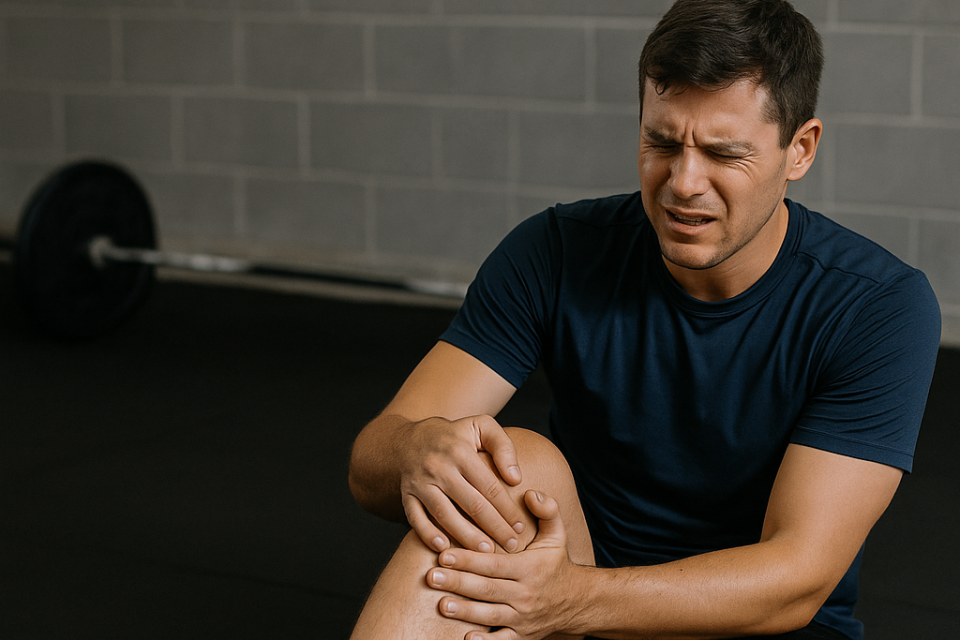
The thrill of competition is like nothing else—the adrenaline, the focus, and the feeling of pushing your body to its limits. But sometimes, those constraints fight back. A bad landing, a mistake, or too much use can transform a fantastic game into a painful memory. It’s more common than we’d like to think for people who play sports on the weekends, in high school, or just to stay active to get hurt.
I still recall how I hurt my ankle while playing soccer early in the morning. One moment I was running for the ball, and the next I was on the ground with pain rushing up my leg. What was my biggest mistake? Not taking it seriously and trying to “walk it off.” The end effect was weeks of healing time that didn’t need to happen.
If you get hurt while playing sports, here’s what you should do first. What you do in the first 24 hours can affect how you recuperate.
1. Stop and Assess the Damage
The first and most crucial thing to do is to stop playing. You could try to ignore the pain or tell yourself that it’s “just a tweak.” But neglecting pain, especially acute, long-lasting pain, can convert a small problem into a big injury.
Breathe deeply and either sit or lie down. After then, think about how your body looks. Is there any swelling? Do you have any bruises? Not much moving? Do you have any tingling or numbness? These are indicators that your body needs more care and rest, not more work.
2. Use the R.I.C.E. Method
The R.I.C.E. approach (Rest, Ice, Compression, Elevation) is your best buddy if you have a sprain, strain, or minor injury.
- Rest the injured area and avoid using it unnecessarily.
- Ice for 15–20 minutes every 2–3 hours for the first 48 hours.
- Compression with a wrap or bandage can reduce swelling.
- Elevation above heart level will help fluid drain and minimize inflammation.
It might not seem like much, but this simple approach can drastically speed up healing—if applied consistently.
3. Don’t Self-Diagnose Complex Injuries
Don’t try to Google your way through it if you hear a pop, have a lot of swelling or bruising, or can’t put weight on the area. Get help from an expert straight away. Medical imaging and examination are needed for many injuries, such as ligament tears, dislocations, and fractures.
This is where care in your area can help. For example, if you live in the Durham Region, going to see a chiropractor in Whitby can help you figure out how bad your injury is and what the best way to heal is. Chiropractors learn how to treat not just the spine but also muscles and joints, which are regularly affected in sports.
4. Get Proper Therapy to Avoid Reinjury
Once the pain and swelling go down, the goal is to get back strength, mobility, and function. This is where sports-specific therapy comes in. You are more likely to get hurt again in the future if you skip rehab or do it poorly.
Sports injury therapy in North York and other clinics that focus on athletic care offer specific workouts and hands-on treatment to help you heal faster and avoid setbacks. These treatments, like as physiotherapy and guided mobility training, are all about helping you get stronger and smarter again.
5. Budget for Your Recovery
Sports injuries can cost you time and money. Doctor visits, imaging, rehab gear, and time off work can all add up to a lot of money.
If you don’t have a lot of money but need to keep getting better, short-term financial help can help you get through this tough time. People who need quick help paying for medical bills or other costs can get cash quickly with options like 24/7 loans online. It’s important to be careful when you borrow money, but having the choice can help you relax when you’re trying to get better.
6. Tune Into Your Body’s Signals
Pain is a sign. You could want to “test” how far you’ve come by going back to your old routine while you’re recovering. Don’t. One of the main reasons people get hurt again is because they come back too quickly.
Instead, check on your body every day. Do you have a limp? Is the discomfort dull or sharp? Are you able to move around without pain? If it helps, keep a little recovery journal. Keeping track of your progress will help you see things more clearly than just depending on memory or feelings.
7. Build a Support Team
Your actions can’t get well on your own. Tell your coach, trainer, family, or coworkers what’s going on. I didn’t inform my soccer coach about my troubles since I didn’t want to lose my place on the team. But as I stopped being so careful, I found aid, other things I could do (like helping with drills), and most importantly, patience.
You don’t have to do this all by yourself. You may learn that becoming better is a normal part of becoming an athlete and not a sign of weakness if you have a decent support system.
8. Use Recovery to Level Up
Some of the best athletes I know get wiser, stronger, and more disciplined when they get hurt. They had time off the field to work on their diet, mental conditioning, and being safe.
You can learn more about your sport, work on your supporting muscles, or explore new ways to move, like swimming or doing yoga at a moderate level, while you heal. What seems like a difficulty now could be what helps you get ahead tomorrow.
Final Thoughts
Getting wounded while playing sports is irritating, but it doesn’t have to end your season, your career, or your love of the game. What matters most is how you react.
Stop and think about what you need to do, how to treat it, and how to get better. Ask professionals for aid. Get aid with money if you need it and use smart tools. And most importantly, listen to your body and treat it well.
Getting better after an injury means more than just getting back to the game.