
Recognizing and Reducing Heatstroke Risks in Older Adults
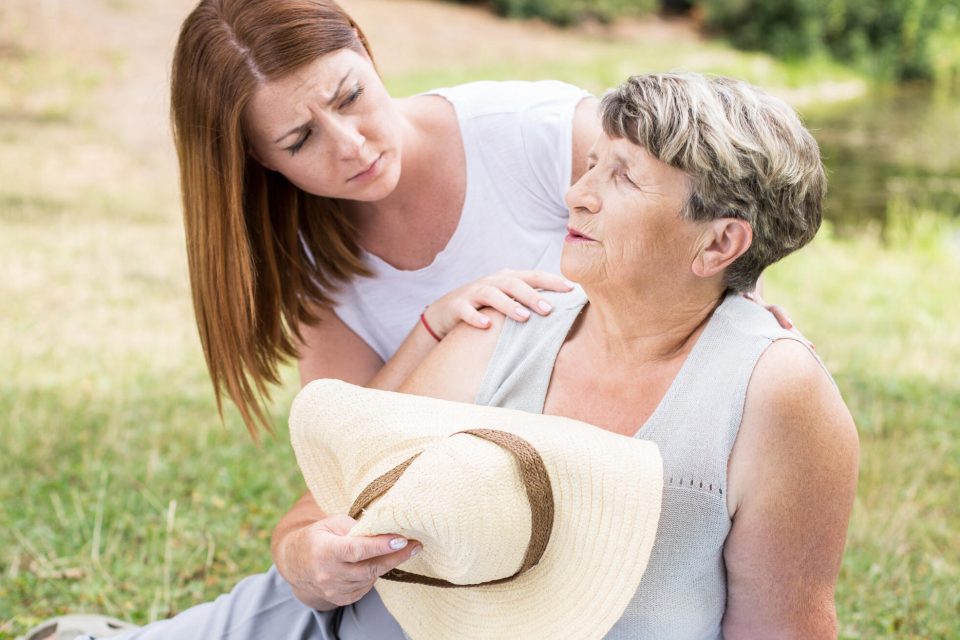
When summer temperatures climb, the risk of heatstroke also rises. Older adults are more vulnerable to extreme heat because of natural changes in their bodies that come with age. These changes can make it harder to regulate temperature, putting them at greater risk when the heat becomes intense.
Caregivers and family members play an important role in protecting seniors during hot weather. Recognizing the signs of heatstroke and knowing how to prevent it can save lives. Keep reading to uncover all the details.
What is Heatstroke?
Heatstroke happens when the body overheats and can no longer cool itself effectively. This is often caused by spending too much time in high temperatures or by doing physical activities in the heat. It is a medical emergency that needs quick action, as it can lead to serious complications or even be life-threatening.
For seniors, heatstroke can set in quickly and progress rapidly. Common warning signs include a body temperature above 104°F (40°C), confusion or loss of consciousness, a fast heartbeat, skin that feels hot and dry or drenched with sweat, and feelings of nausea. These symptoms mean the body is in distress, and immediate help is required.
Why Seniors are at Higher Risk
Their body’s ability to regulate temperature often decreases with age, making it harder to stay cool. Many seniors live with chronic health conditions such as heart disease or diabetes, which can make it even more difficult to handle heat. Some medications can also interfere with the body’s ability to sweat or retain fluids.
In addition, limited mobility may prevent seniors from moving to cooler places when temperatures rise. Understanding these risk factors is a key part of managing heat risks for seniors and helps caregivers create better protection plans.
Preventing Heatstroke in Hot Weather
Prevention is always the best approach. One of the most important steps is to make sure seniors drink water regularly throughout the day, even when they don’t feel thirsty. Hydration helps the body regulate temperature and keeps it functioning well.
Outdoor activities should be limited during the hottest parts of the day. Early mornings and late evenings are safer times for walks or errands.
Indoors, air conditioning and fans can make a big difference. Cool showers or baths also help bring body temperature down.
Light-colored, loose-fitting clothing is another simple but effective measure. Breathable fabrics allow heat to escape and help keep the body comfortable. Staying informed about daily weather forecasts and heat advisories gives caregivers a chance to adjust plans before the heat becomes dangerous.
Acting Quickly in an Emergency
Call emergency services immediately. While waiting for help, move the person to a cooler location such as an air-conditioned room or a shaded outdoor area. Removing extra clothing and placing cool, damp cloths on the skin can help bring the temperature down.
Fanning the person or using a cool shower, if possible, may also help. These steps are not a replacement for professional care, but they can make a difference while waiting for medical assistance.
Keeping Older Adults Safe All Summer
Preventing heatstroke requires attention, planning, and care. Caregivers can greatly reduce the risks for older adults by encouraging regular hydration, limiting exposure to high temperatures, and using cooling methods. With awareness, preparation, and quick action when needed, seniors can stay safe and thrive even during the warmest days of the year.
Protecting them from heatstroke is more than just a safety measure. It’s an act of love and respect for their well-being. Discover more on this topic and beyond. Check out our blog today!