
Emissions Testing: Keep Your Vehicle Safe and Eco-Friendly
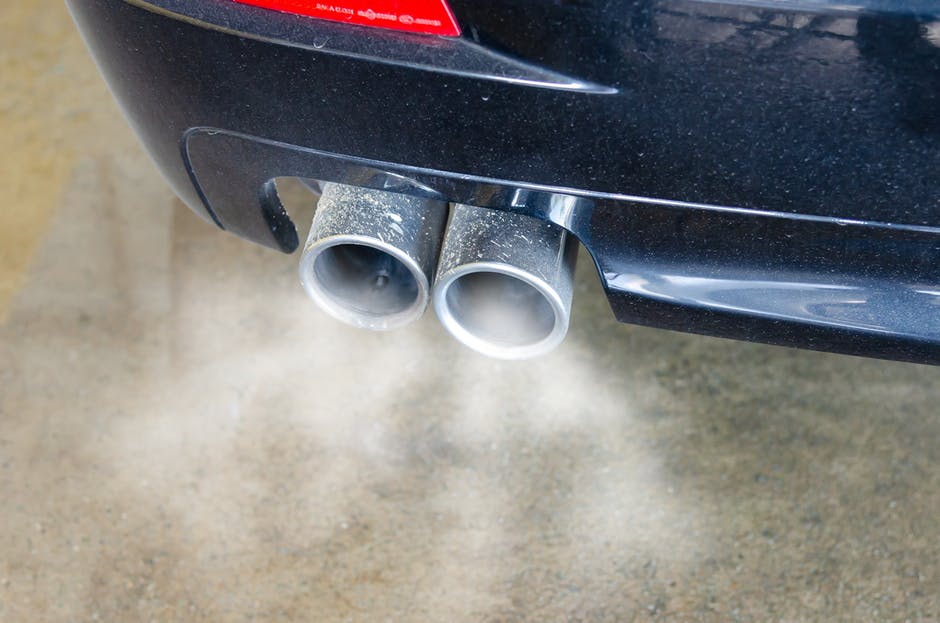
Emissions testing might not be the first thing on your mind, but it plays a big role in keeping your car running well-and in keeping the air clean. It’s more than just a rule from the government. It’s a smart and responsible way to make sure your vehicle isn’t polluting more than it should.
In many areas, the law says your car has to pass an emissions test to stay on the road. If you skip it, you could face big fines, use more gas than necessary, or even risk damaging your engine.
Understanding how emissions testing works can help you take better care of your car, adhere to local regulations, and protect the planet simultaneously. Let’s get into it!
The Importance of Emissions Testing
Emissions testing measures how much pollution your car releases into the air. It mainly looks at harmful gases like carbon monoxide, nitrogen oxides, and hydrocarbons-substances that can harm both the environment and our health.
But it’s not just about cleaner air. Emissions testing can also help your car run better. When your vehicle is working the way it should, it tends to use less fuel and produce fewer harmful emissions.
These tests can catch small problems early, before they transform into expensive repairs. Taking your car in for regular emissions testing is a simple way to stay on top of maintenance and do something good for the planet at the same time.
How Emissions Testing Works
Emissions testing typically involves a thorough inspection of your vehicle’s exhaust system and related components. The process aims to check for leaks, blockages, or other issues that could lead to excessive emissions. In many areas, there are two main types of emissions tests performed:
On-board Diagnostics (OBD) Testing
This is the most common method used for newer vehicles. During an OBD test, a technician connects a computer to your car’s onboard diagnostic system.
This system shows error codes that can point to problems with your vehicle’s emissions. It helps the technician see if the emissions control system is working correctly and whether any repairs are needed.
Tailpipe Emissions Testing
For older vehicles that may not have advanced OBD systems, a tailpipe emissions test is often conducted. In this test, a probe is inserted into the exhaust pipe while the vehicle is running.
The probe collects exhaust gases, which are analyzed to determine the emission levels of various pollutants. This method can give a more direct measure of how much pollution your vehicle is emitting.
Consequences of Ignoring Emissions Testing
If you skip emissions testing or your car doesn’t pass, you could run into some problems. In many places, your car has to pass the test before you can register it.
If it fails, you might need to pay for repairs to fix the issue. Driving without a valid test result can also lead to fines or other penalties.
There’s more to it than just following the rules. A car that doesn’t meet emissions standards puts more pollution into the air.
This can harm the environment and affect people’s health, including your own. Getting your car tested helps keep it running clean and shows you’re doing your part to protect the air we all breathe.
Benefits of Regular Emissions Testing
Regular emissions testing is beneficial for multiple reasons:
Enhances Vehicle Performance
Getting regular emissions checks helps keep your engine in good shape. A well-maintained engine runs more smoothly and uses fuel more efficiently.
This puts less strain on other parts of the car and helps prevent damage. Over time, it means fewer repairs and a longer life for your vehicle.
Improves Fuel Efficiency
A well-functioning car consumes less fuel to cover the same distance. Emissions testing can catch problems that cause your car to waste gas. Fixing those issues can help you save money over time.
Reduces Pollution
Cars that pass emissions tests release fewer harmful gases into the air. This helps keep the environment cleaner and the air healthier to breathe. Everyone benefits when vehicles run cleaner.
Compliance with Regulations
Many states require emissions testing to keep your car legally on the road. If you skip it, you could face fines or be unable to renew your registration. Staying up to date helps you avoid those issues.
Increases Resale Value
A car that meets emissions standards is more attractive to buyers. It indicates that the vehicle has been well-maintained and is less likely to require costly repairs. That can make it easier to sell and even boost its resale value.
Preparing for Emissions Testing
Proper preparation can enhance your chances of passing emissions testing. Here are a few tips to ensure your vehicle is ready:
Check Engine Light
Make sure your check engine light is not on before going for an emissions test. If it is, there may be a problem with your engine or emissions system. Ignoring it could cause your car to fail the test.
Keep Up with Maintenance
Regular maintenance ensures that your car remains in good working condition. Oil changes, air filter replacements, and tune-ups can stop small problems from turning into big ones. This also helps your vehicle produce fewer emissions.
Inspect the Exhaust System
Take a look at your car’s exhaust system for any signs of rust, cracks, or leaks. A damaged exhaust can lead to higher pollution levels. Fixing these issues can improve your car’s chances of passing the test.
Consider Professional Help
If you’re not sure whether your car will pass, it’s smart to talk to a mechanic. They can check your vehicle and fix any problems before the test. This can save you time, stress, and money later.
Keep Your Vehicle Safe and Eco-Friendly
Emissions testing is an essential aspect of vehicle maintenance that benefits both you and the environment. By staying compliant with emissions testing, you contribute to cleaner air and enhanced engine performance. Embracing this testing not only helps prevent fines but also keeps your vehicle in optimal condition. Make it a priority to schedule your emissions testing and ensure that your vehicle remains safe and eco-friendly.
Is this article helpful? Keep reading our blog for more.