
A Complete Guide to Montessori Learning for Toddlers
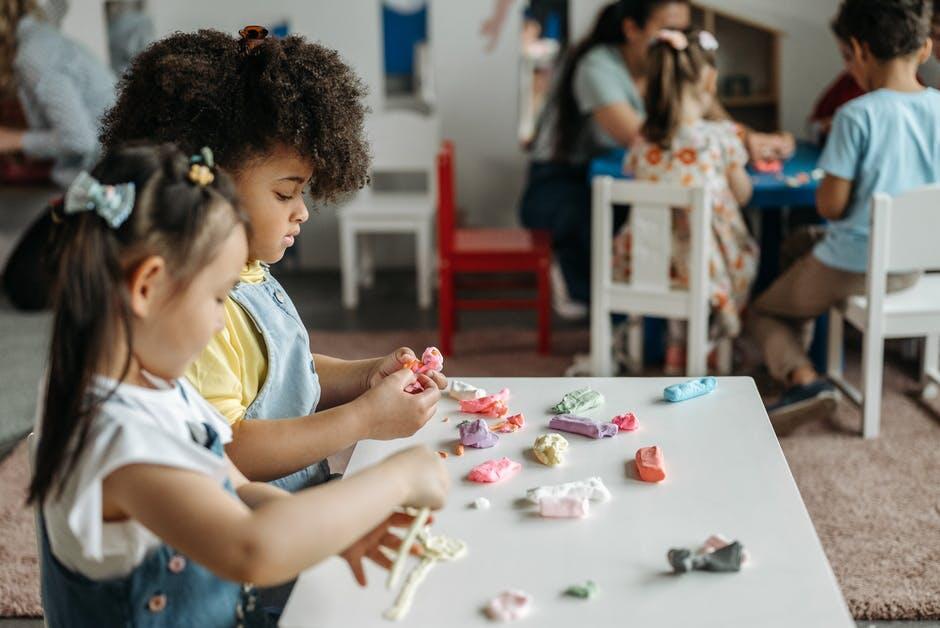
Montessori learning offers a unique, modern approach to teaching young children, especially toddlers. This method focuses on hands-on learning. It lets young children explore at their own pace.
This helps them gain independence and fosters a love for learning. If you want a caring place that boosts your toddler’s growth and creativity, Montessori principles offer the perfect support for their learning journey.
What is Montessori Learning?
Dr. Maria Montessori created the Montessori method in the early 20th century. It’s based on the idea that children learn best through hands-on activities that genuinely capture their interest.
Montessori environments include materials suited for each age. These tools help kids explore their curiosity safely. This approach is particularly effective for toddlers, who are naturally inclined to explore and learn through sensory experiences.
Key Principles of Montessori Learning for Toddlers
Understanding the core principles of Montessori education can help parents and caregivers create a supportive learning environment. Here are a few essential principles:
Independence
In a Montessori setting, toddlers can choose for themselves. This builds their independence and self-reliance. For example, they might choose between different materials, such as blocks or puzzles, to explore and learn through hands-on experience.
Observation
Montessori adults take a hands-off approach. They watch children as they play and learn, without stepping in or directing them. Trusting in a child’s natural abilities comes from believing that, when free to explore, kids will naturally choose activities that help them grow mentally, socially, and emotionally.
Sensory Learning
Montessori activities engage toddlers’ senses. They help kids absorb information by connecting it to their surroundings. A sensory bin with rice, beans, or sand can boost kids’ touch skills.
Mixed Age Groups
In a Montessori classroom, children of different ages learn together, creating a community that fosters social skills, empathy, and collaboration. Older kids, who know some skills well, can help guide younger ones. Meanwhile, younger kids add new ideas and energy to the group.
Creating a Montessori Environment at Home
Establishing a Montessori-inspired space at home can significantly enhance your toddler’s learning experiences. Arrange toys and learning materials on low shelves to encourage independence. Toddlers should be able to select and return items easily.
Set up cozy areas for reading and quiet time, encouraging relaxation and reflection. Integrate materials like wood, fabric, and plants for a calming atmosphere that promotes focus. These modifications create an inviting environment that nurtures creativity and exploration.
Navigating Montessori Resources
Many parents wonder where to find materials and resources to support Montessori learning at home. Online platforms and local libraries often have a wealth of information available.
For structured guidance, you might want to check this Montessori toddler curriculum. This resource can provide detailed activities and lesson plans to help your toddler thrive.
Creating the Right Path for Your Toddler
Investing in the right educational model for your toddler can significantly influence their future. Montessori learning is not just an approach; it’s a lifestyle that respects the child’s pace, interests, and natural desire to explore. By creating a supportive and stimulating environment, you empower your toddler to reach their full potential.
For more helpful tips, check out the rest of our site today.