
Foot Care Habits: Tips for Lifelong Comfort
Key Takeaways
- Daily foot care can prevent many standard foot problems and increase overall comfort.
- Simple habits like cleaning, moisturizing, and choosing shoes wisely are effective.
- Routine foot assessments help detect issues early before they worsen.
- Research shows that proactive foot health improves mobility and well-being as people age.
- External sources offer tips and research-backed strategies for optimal foot health.
Table of Contents
- Why Foot Care Matters For Everyone
- Simple Daily Foot Care Routine
- Choosing The Right Footwear
- Managing Foot Moisture And Preventing Fungal Issues
- Spotting Early Signs Of Foot Problems
- How Exercise Supports Foot Health
- When To Seek Professional Help
- Conclusion & Foot Health Resources
Why Foot Care Matters For Everyone
Healthy feet are the foundation for nearly every movement we make—standing, walking, running, or simply balancing. Yet, the importance of consistent foot care is often underestimated in everyday routines. Ignoring your feet can compromise not only comfort but also long-term mobility. Proactive foot care helps maintain independence, prevent debilitating injuries, and supports an active lifestyle. Whether you’re experiencing minor discomfort or want to avoid future issues, partnering with a foot health specialist like a podiatrist Northampton PA, offers tailored advice and personalized strategies for optimal care.
According to the American Podiatric Medical Association and various public health campaigns, keeping your feet in top condition is fundamental for preventing falls and remaining active as you age. Simple habits established now can be crucial in protecting your future well-being. Everyone, from children to older adults, benefits when feet are given the attention they deserve.
Simple Daily Foot Care Routine
Incorporating a straightforward daily routine into your tips for healthy feet can significantly impact immediate comfort and long-term foot health. Begin by washing your feet daily with mild soap and warm—never hot—water, as extreme temperatures can dry out the skin or lead to burns, especially in those with reduced sensation. Dry your feet thoroughly, with special attention between the toes where moisture can linger and promote fungal growth.
After drying, apply a gentle moisturizer to the tops and bottoms of your feet, but avoid the spaces between your toes to prevent excessive dampness. Toenails should be trimmed straight across to avoid painful ingrown nails. Incorporating these steps into your daily self-care takes only a few minutes. Still, research published by sources like Harvard Health highlights significant long-term benefits, particularly prevention of chronic discomfort and reduced risk of infection.
Choosing The Right Footwear
Shoes play a critical role in supporting your overall foot health. Ill-fitting or poorly designed footwear is a leading cause of blisters, bunions, and long-lasting deformities. When shopping for new shoes, prioritize comfort and fit over fashion. The Centers for Disease Control and Prevention recommends wearing sturdy, supportive footwear with non-slip soles to minimize the risk of falls, especially for older adults. Shop later in the day when your feet have naturally expanded and bring along your preferred socks to ensure a precise fit.
Rotating between different pairs of shoes throughout the week allows them to air out, reducing moisture buildup and the incidence of fungal issues. Be wary of shoes that squeeze, pinch, or leave marks on your feet—a clear sign they’re not an ideal match. Ensuring you have the proper support can help with posture and balance and prevent strain or injury in the ankles, knees, and back over time.

Managing Foot Moisture And Preventing Fungal Issues
Feet naturally sweat, and excess moisture creates a breeding ground for fungal infections like athlete’s foot. Change socks at least once daily to maintain a healthy environment and opt for natural, breathable fabrics such as cotton or wool blends. Shoes should allow air to circulate, and orthotic inserts may be helpful for those prone to excessive sweating. If you often visit public spaces like gyms or pools, wearing flip-flops or sandals provides a vital barrier against communal surface germs.
In addition, regularly disinfecting shoes and washing bath mats or area rugs can help minimize exposure to infection-causing fungi. Foot powders or sprays formulated to absorb sweat and lower pH can offer further protection for persistent moisture issues. The Mayo Clinic provides a comprehensive overview of managing and treating common fungal conditions to keep your feet healthy and comfortable.
Spotting Early Signs Of Foot Problems
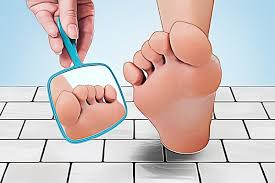
Regular, mindful inspection of your feet is pivotal in catching minor challenges before they escalate. Early warnings can be early warnings of redness, swelling, persistent pain, numbness, cuts, sores, or discoloration. These signs are often overlooked yet may indicate underlying issues such as infections, circulation problems, or the onset of diabetes-related complications. Those with chronic medical conditions, such as diabetes or neuropathy, should pay extra attention and perform daily checks, since nerve changes can make it challenging to notice injuries early.
Quick action—such as adjusting footwear, modifying routines, or seeking medical advice—can prevent minor irritations from becoming major health disruptions. Document changes over time, and don’t ignore repeated discomfort. Persistent symptoms signal the need for professional input.
How Exercise Supports Foot Health
Exercises focused on strength and flexibility are invaluable for fitness, foot stability, and resilience. Simple routines, including toe stretches, towel scrunches, calf raises, balance work, and ankle circles, help promote strong arches and flexible toes, which are crucial for maintaining a solid foundation. Incorporating foot exercises can help reduce fatigue, prevent injury, and support agility, which is particularly important as we age or recover.
Walking, yoga, and tai chi support overall lower limb wellness while providing cardiovascular benefits. If you struggle with balance or experience frequent cramps, dedicated foot and ankle exercises can make a meaningful difference. The American Podiatric Medical Association offers excellent advice on foot health exercises and activities.
When To Seek Professional Help
While at-home care is often effective, specific symptoms call for prompt evaluation and treatment by a specialist. Persistent pain, chronic or severe fungal infections, significant skin or nail color changes, sores that do not heal, or signs of illness should never be ignored. Podiatrists are specially trained to diagnose and treat various foot and ankle disorders—from common issues like plantar fasciitis and bunions, to structural problems and injuries.
Early intervention often results in better outcomes, fewer complications, and less invasive treatments. If you notice new or worsening foot symptoms or have concerns about your foot health, do not hesitate to consult a qualified podiatric physician.
read more : Stern Meaning Ship: Role, History, and Importance
Conclusion & Foot Health Resources
Foot care may not require elaborate regimens or costly products, but the benefits compound over time, shaping your ability to walk comfortably and remain active. Prioritize your feet as part of your holistic self-care, taking a few minutes a day to protect and nurture these crucial foundations of your mobility.
Consult a professional for expert advice or to address more complex concerns. Explore these evidence-based resources from Harvard Health and the Mayo Clinic for further reading, or connect with your healthcare provider for personalized guidance on maintaining lifelong foot comfort.