
How Companies Prepare for the Modern Hiring Process
Key Takeaways
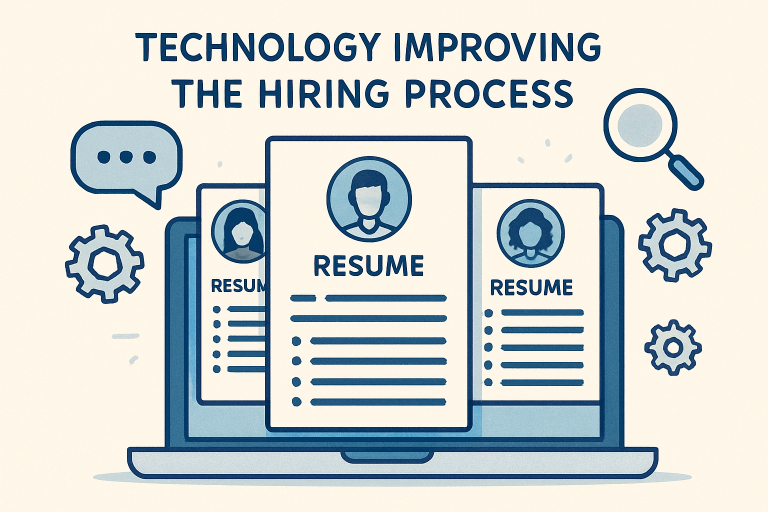
- Advanced technologies, like artificial intelligence, play a significant role in streamlining recruitment processes.
- Skills-based hiring is overtaking traditional credential-focused strategies, widening opportunities for diverse talent.
- The most successful hiring processes blend automation with personal engagement to support inclusivity and accuracy.
Table of Contents
- Introduction
- Embracing Technology in Recruitment
- Shift Towards Skills-Based Hiring
- Balancing Technology and Human Interaction
- Enhancing Candidate Experience
- Future Trends in Hiring
- Conclusion
Introduction
In today’s fast-evolving employment landscape, businesses face unique pressures to find and retain talented individuals. As job seekers’ expectations rise and digital transformation accelerates, organizations are rethinking their hiring frameworks. A critical part of this preparation involves rigorous vetting, such as running criminal background checks, to ensure workplace safety, compliance, and the integrity of new hires. This article explores the forward-thinking strategies companies adopt to modernize recruitment, maximize candidate fit, and build a workforce for the future.
The modern hiring journey isn’t just about filling open positions; it’s a nuanced process that blends advanced technology with genuine human connection. Organizations constantly balance efficiency and empathy, adapting their practices for greater inclusivity and accuracy. As recruitment evolves, understanding these strategies empowers both recruiters and job seekers to navigate the system better.
As part of these new approaches, companies focus on transparent assessment methods and stronger employer branding. By doing so, they foster trust and retain candidates longer throughout the hiring funnel. For more on building a positive employer brand, see resources like Forbes.
Embracing Technology in Recruitment
Artificial intelligence (AI) and automation are becoming essential to recruitment. From parsing resumes to conducting video interviews, AI helps organizations reduce unconscious bias, remove bottlenecks, and find the best-fit candidates faster. Unilever, for example, uses sophisticated algorithms to review applications, conduct digital assessments, and analyze recorded interviews. This streamlines the hiring timeline and gives every candidate a fair chance by standardizing evaluations.
AI’s influence extends to personalized interactions, with chatbots responding instantly to candidate inquiries and automated schedulers eliminating time-consuming back-and-forth. These solutions lighten HR’s workload and keep candidates engaged, reducing the risk of losing talent due to delays. According to a SHRM report, companies adopting AI in recruiting have seen marked improvements in efficiency and candidate satisfaction.
Shift Towards Skills-Based Hiring
The traditional emphasis on college degrees is fading. Industry leaders like Google and IBM have removed degree requirements from numerous roles, focusing instead on verifiable skills, problem-solving abilities, and technical aptitude. This shift toward skills-based hiring opens opportunities to a broader pool of candidates, encourages diversity, and addresses widening skill gaps within the workforce.
Platforms that test real-world capabilities through coding challenges, task simulations, or portfolio reviews often support skills-based hiring. These practical assessments provide a more accurate measure of a candidate’s readiness while diminishing the influence of resume embellishments and credential inflation. Notably, a Wall Street Journal article highlights the growing impact of competency-focused recruitment and its positive outcomes.
Balancing Technology and Human Interaction
Technology offers tremendous gains in speed and precision, but companies recognize that human oversight and empathy remain vital. Some organizations are reintroducing or expanding the use of in-person interviews, especially for roles where soft skills or cultural fit are paramount. These touchpoints help evaluate qualities such as emotional intelligence, adaptability, and teamwork—traits complex for AI to measure.
Human recruiters also provide critical clarity and reassurance. Personalized communication, constructive feedback, and authentic engagement throughout the process can significantly enhance candidate experience and loyalty. In a remote and digitally driven era, these interactions help mitigate the potential alienation from automated hiring practices alone.
Training for Human-AI Collaboration
Leading firms are training HR teams to leverage digital and interpersonal skills to maximize benefits. Recruiters learn to analyze AI-generated insights, ask better interview questions, and spot red flags that algorithms might miss. This dynamic partnership between technology and people defines the future of talent acquisition.
Enhancing Candidate Experience
Modern job seekers value efficiency, clarity, and respect throughout the hiring process. They expect seamless communication, timely updates, and transparency from the moment they apply. Employers that meet these expectations often use advanced tools such as real-time application tracking, automated scheduling, and interview-on-demand systems to streamline the process. These innovations not only speed up recruitment but also demonstrate genuine regard for candidates’ time and effort. Providing structured feedback and maintaining consistent communication fosters trust and engagement. When organizations deliver a thoughtful and responsive candidate experience, they enhance their employer brand, attract higher-quality applicants, and build positive relationships that extend beyond the hiring decision—ultimately strengthening their reputation as an employer of choice in a competitive job market.
Future Trends in Hiring
Organizations are increasingly adopting data-driven decision-making and predictive analytics to revolutionize their recruitment strategies. These technologies enable hiring teams to move beyond traditional resume screening by analyzing patterns that forecast a candidate’s cultural alignment, career growth, and long-term success within the company. Advanced algorithms can identify top talent faster, reduce hiring bias, and enhance retention by matching applicants to roles where they can thrive. However, while automation and AI-driven insights improve efficiency, maintaining a human-centered approach remains crucial. Compassion, fairness, and ethical judgment must guide every process step to ensure that technology supports—not replaces—the empathy and inclusivity essential for building diverse, motivated, and high-performing teams in an increasingly competitive talent landscape.
Conclusion
Employers who successfully blend intelligent automation with a skills-first mindset and authentic human engagement position themselves for long-term success in an evolving workforce landscape. Automation can streamline repetitive tasks, improve efficiency, and enhance decision-making, while a focus on skills ensures hiring processes are inclusive, forward-looking, and aligned with real business needs. However, maintaining a strong human touch remains essential for building trust, empathy, and meaningful workplace connections. This balanced strategy enables organizations to attract and retain top talent, adapt quickly to market changes, and foster innovation. By proactively embracing technology without losing sight of human values, employers can future-proof their recruitment strategies and remain competitive amid shifting economic, technological, and cultural trends in the job market.