
Eye Lens Changes and Their Effect on Head Discomfort in Seniors
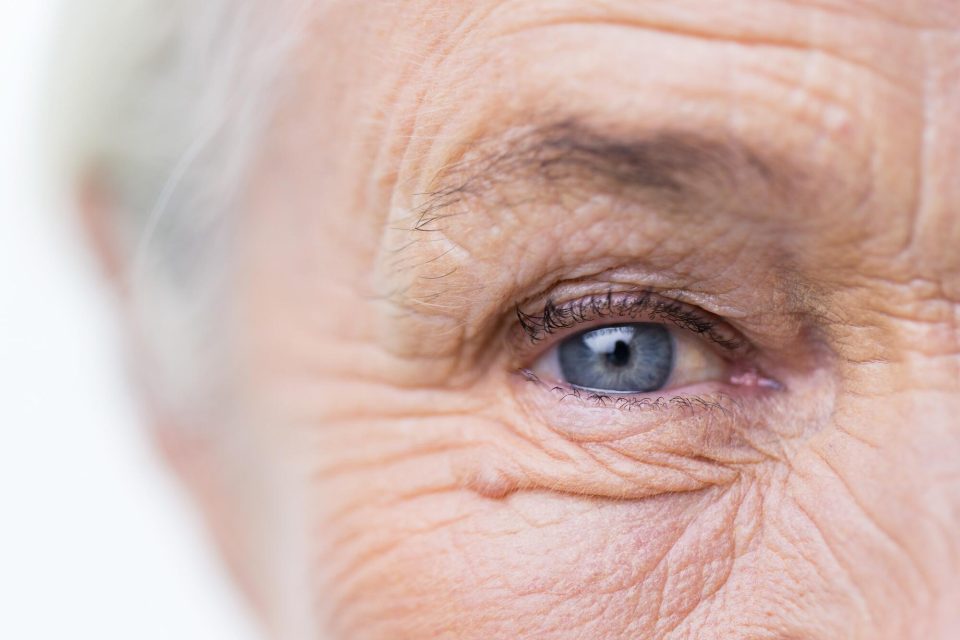
Have you ever noticed your vision getting blurrier or your eyes feeling tired more quickly?
Eye lens changes are a normal part of aging, but they can affect how clearly you see up close or far away. Understanding these changes can help you protect your eyesight and choose the right care.
Take action today to learn simple tips to keep your eyes healthy and sharp.
Wear Sunglasses
Wearing sunglasses can help protect your eyes from harmful UV rays. These rays can speed up changes in the eye lens and affect your vision over time. Sunglasses also reduce glare, making it easier to see in bright light. Choosing the right pair can keep your eyes comfortable and safe every day.
Wearing them regularly, even on cloudy days, can slow down lens changes. Polarized lenses can reduce glare from water or roads, which eases eye strain. Protecting your eyes now helps maintain clearer vision for the future.
Eat Healthy Foods
Eating healthy foods can help keep your eyes strong and your vision clear. Foods rich in vitamins A, C, and E support the health of the eye lens. Omega-3 fatty acids found in fish can also protect your eyes from damage. Adding fruits, vegetables, and nuts to your diet can improve overall eye health.
Leafy greens like spinach and kale contain antioxidants that slow down lens changes. Carrots and sweet potatoes are great for maintaining good vision. Regularly eating these foods can reduce the risk of cataracts and other eye problems. A balanced diet helps your eyes stay healthy as you age.
Drink More Water
Drinking enough water keeps your body and eyes hydrated. Proper hydration helps maintain the moisture in your eye lens. Dry eyes can make vision blurry and worsen lens changes over time. Water also helps your body remove toxins that can affect eye health.
Carrying a water bottle and drinking regularly supports healthy eyes. Dehydration can lead to eye strain and discomfort. Drinking water daily helps your eyes stay clear and reduces irritation. Small habits like sipping water often can protect your vision as you age.
Get Eye Checkups
Regular eye checkups help detect changes in your eye lens early. Eye exams can find problems like cataracts before they affect your vision too much. Doctors can recommend treatments or lifestyle changes to protect your eyes. Visiting an eye specialist keeps your vision clear and healthy over time.
Even if your eyes feel fine, routine exams are important. Early detection of lens changes can prevent serious vision loss. Eye checkups also help monitor overall eye health and spot other issues. Scheduling exams regularly supports long-term eye care and sharper vision.
Limit Eye Strain
Taking breaks from screens can help reduce eye strain and protect your lens. Focusing too long on computers or phones can make your eyes tired and blurry. Reducing strain can also help with issues like understanding headaches from cataracts.
Adjusting screen brightness and using proper lighting supports healthy eyes. Over time, limiting eye strain can slow lens changes and improve comfort. Even small changes in daily habits can make a big difference. Protecting your eyes now helps maintain clearer vision in the future.
Your Path to Comfort
Understanding eye lens changes and their effect on head discomfort is a crucial aspect of maintaining overall well-being as we age.
By staying informed and proactive about eye health, seniors can enjoy their golden years with greater ease and less discomfort.
Did you enjoy reading this article? If so, then be sure to check out the rest of our blog for more!