
Essential Guide to a Thorough Home Inspection
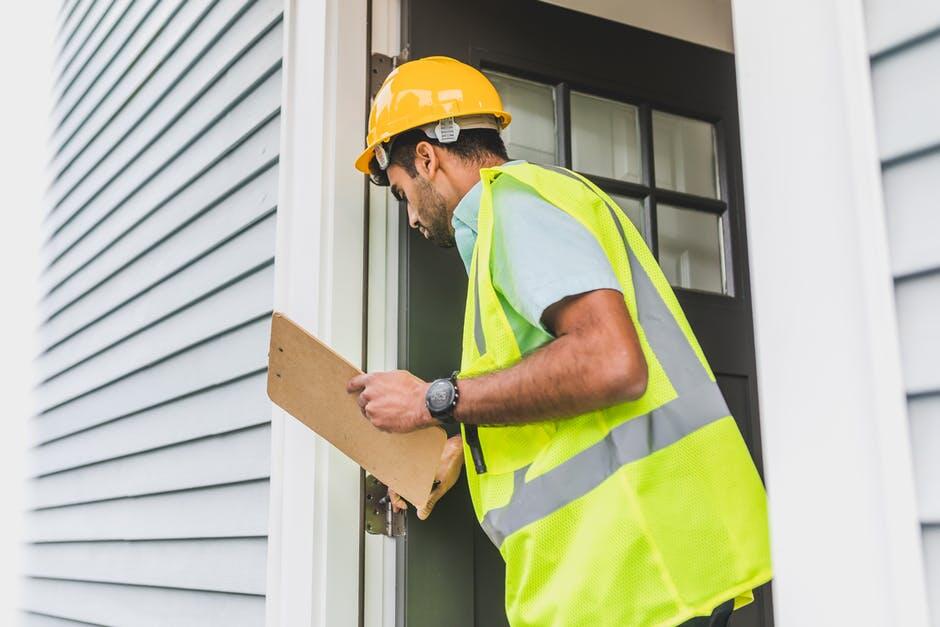
Are you planning to buy a new home and want to avoid surprises? An essential guide to a thorough home inspection can help you. It shows you what to check before making a big decision.
A proper inspection can save you money and stress. You will learn how to spot problems early. It also helps you understand the true condition of the house. Don’t wait until it’s too late-start learning about home inspections today.
Check the Roof
The roof protects the whole house from weather. You should look for missing or damaged shingles. Check for signs of leaks inside the attic. Make sure the gutters are clean and working. Look for cracks or rust on metal parts. Pay attention to areas around chimneys and vents.
Check for sagging or uneven sections. Moss or algae can cause damage over time. Inspect flashing to ensure it seals properly. Ask about the roof’s age and maintenance history. A careful roof check can prevent costly repairs later.
Inspect the Foundation
The foundation supports the entire house. Look for cracks in walls and floors. Check for uneven or sloping floors. Inspect the outside for soil erosion near the foundation. Water pooling can cause serious damage. Look for gaps between walls and the ground. Check for signs of mold or dampness in the basement.
Small cracks may be normal, but large ones are risky. Make sure doors and windows open and close easily. Look for signs of shifting or settling. Ask about the foundation’s age and repairs. A strong foundation ensures the home is safe and stable.
Examine Plumbing
Check all pipes for leaks or corrosion. Turn on faucets to test water pressure. Make sure drains work properly and do not clog. Look under sinks for water damage. Inspect the water heater for rust or leaks. Check for signs of mold near plumbing areas. Make sure pipes are insulated where needed.
Test toilets to ensure they flush correctly. Look for unusual noises in pipes when water runs. Check the main water shut-off valve for proper function. Ask about the age of pipes and plumbing systems. Proper plumbing inspection helps avoid costly repairs later.
Test Electrical Systems
Check all outlets to make sure they work. Test light switches in every room. Look for exposed or damaged wires. Make sure the circuit breaker works properly. Inspect the electrical panel for rust or signs of overheating. Check for grounded outlets in kitchens and bathrooms.
Test smoke and carbon monoxide detectors. Look for flickering lights or frequent power surges. Make sure outdoor outlets are protected from weather. Ask about the age of the wiring and updates. Check for overloaded circuits or extension cord use. Proper electrical inspection keeps your home safe and reduces fire risks.
Review HVAC
Turn on the heating and cooling system to check if it works. Listen for unusual noises from the unit. Make sure air flows from all vents properly. Check the thermostat for correct operation. Inspect filters and replace them if dirty. Look for signs of leaks in ducts or pipes. Make sure the system is clean and free of dust. Ask about the age of the HVAC system.
Check if the unit has been regularly maintained. Inspect the outside unit for damage or debris. Test both heating and cooling modes for proper function. A working HVAC system ensures comfort and efficiency in your home.
Look at Windows
Check all windows to make sure they open and close easily. Look for cracks in the glass. Inspect the frames for signs of rot or damage. Make sure locks and latches work properly. Check for drafts around the edges. Look for condensation between panes in double-glass windows. Make sure seals are intact to prevent leaks.
Test for smooth operation of sliding or crank windows. Inspect screens for tears or holes. Check for water damage near windowsills. Ask about the age and type of windows. Proper window inspection helps keep your home safe and energy-efficient.
Check Doors and Locks
Open and close all doors to make sure they work smoothly. Check for cracks or damage in the door frames. Make sure locks and deadbolts function properly. Test handles and knobs for stability. Look for gaps that could cause drafts. Ensure exterior doors seal tightly to prevent water leaks.
Check sliding doors for smooth movement. Inspect garage doors and automatic openers. Make sure security features are working correctly. Look for signs of wear or rust on metal parts. Ask about the age and maintenance of doors. Proper door and lock inspection keeps your home safe and secure.
Inspect Walls and Ceilings
Look for cracks in walls and ceilings. Check for water stains or discoloration. Inspect for mold or mildew in corners. Make sure paint or wallpaper is in good condition. Look for bulges or uneven surfaces. Check around windows and doors for damage.
Make sure ceilings are straight and not sagging. Inspect for signs of pests or insects. Look for holes or dents in walls. Check for proper insulation in visible areas. Ask about past repairs or damage history. A careful inspection of walls and ceilings ensures a safe and well-maintained home.
Assess Floors
Check all floors for cracks or visible damage. Look for uneven or sloping areas that may signal problems. Tap on hardwood or tile to hear if it sounds hollow. Inspect carpets for stains, wear, or odor. Check for water damage near bathrooms, kitchens, or basements. Look under sinks for leaks that could harm the flooring.
Make sure floorboards or tiles are secure and not loose. Watch for signs of pests, like termites, that can weaken floors. Inspect crawl spaces for moisture or rot. Check grout and seams in tiled areas for cracks.
Ask about the age and maintenance of the floors. Proper floor checks during home inspections in Carolina help prevent future repairs and ensure safety.
Learn More About a Thorough Home Inspection
A thorough home inspection helps you understand the condition of a house. It can reveal problems before you buy.
Inspections save money and prevent surprises later. They make your home safer and more comfortable. Always get a proper inspection to make a smart decision.
If you’d like to learn more, check out more articles on our blog.