
Understanding Fragile Skin and Bleeding Risks in Older Adults
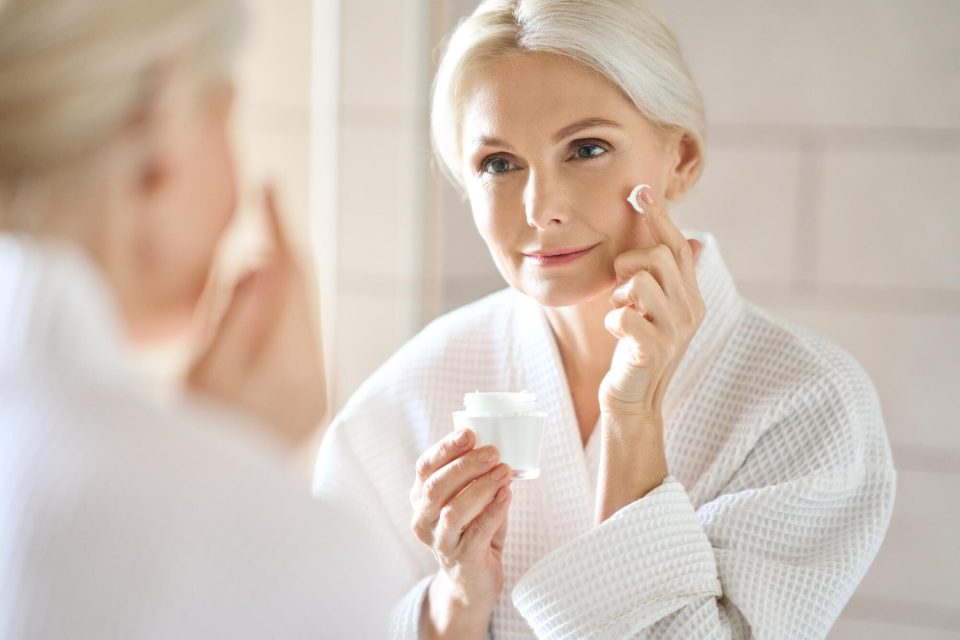
As people age, their skin becomes thinner, more delicate, and less elastic. This makes it easier to bruise or bleed, even from small bumps or light pressure. Fragile skin in older adults is more than a cosmetic issue-it can lead to pain, infections, and slow healing.
In this article, you’ll learn what causes fragile skin, how to lower bleeding risks, and simple steps to protect aging skin every day.
What Causes Fragile Skin in Older Adults
Aging changes the way the body produces and repairs skin. Over time, collagen and fat beneath the surface decrease, leaving the skin weaker and less cushioned. When that happens, the skin can’t protect blood vessels as well, making bruising more common.
Sun exposure over the years also plays a big role. Ultraviolet (UV) rays damage collagen, causing the skin to thin even faster. Dryness, dehydration, and certain medications can make the condition worse. Even minor contact-like removing a bandage-can cause a tear or bruise on sensitive areas.
Understanding the Link Between Fragile Skin and Bleeding
Fragile skin and bleeding often go hand in hand. When skin becomes thin, the blood vessels just under the surface are easier to break. A light bump on the hand or arm might cause a dark bruise or a small bleeding spot.
Some older adults may not even notice the moment of injury. These small marks can look alarming, but are often a normal part of aging. However, frequent bruising or bleeding should not be ignored-it might point to deeper health concerns or side effects from medications.
If you want to learn more about the causes of skin bleeding in seniors, experts explain how both aging and health conditions play a part in skin changes.
Common Risk Factors for Skin Bleeding in Seniors
Several things can raise the risk of fragile skin and bleeding in older adults. These include both internal and external factors that affect how the skin functions and heals over time.
- Medications
- Sun exposure
- Poor nutrition
- Chronic illnesses
Understanding these risk factors allows caregivers and older adults to take preventive measures early. With simple adjustments-like protecting the skin from the sun, improving diet, and reviewing medications-seniors can greatly reduce their chances of bleeding and bruising.
When to See a Doctor
Frequent bruising or bleeding that doesn’t heal may mean something more serious. If bruises appear for no reason, heal very slowly, or come with swelling or pain, it’s best to see a doctor.
Your healthcare provider may check your blood, medications, or overall circulation. They can also recommend treatments, supplements, or creams to strengthen the skin. Getting checked early helps prevent infections and larger health issues.
Supporting Seniors With Fragile Skin
Caring for fragile skin takes patience and attention. Encourage older adults to stay hydrated, eat nutritious foods, and keep a gentle skincare routine. When helping a loved one dress or move, handle their arms and legs carefully to avoid scrapes.
Soft clothing, gentle laundry detergents, and balanced room humidity can make their environment more comfortable. Even small details can protect sensitive skin and make daily life easier.
Keeping Skin Healthy With Age
Fragile skin and bleeding risks often come with aging, but they don’t have to control daily life. With simple care, seniors can enjoy stronger, healthier skin and fewer injuries.
Moisturizing, sun protection, and gentle handling go a long way in preventing damage. If bruising or bleeding becomes frequent, talk to a doctor to rule out other health issues.
Found this article useful? Keep browsing the rest of this section for more.