
How Animal Hospitals Contribute To Animal Rescue Efforts
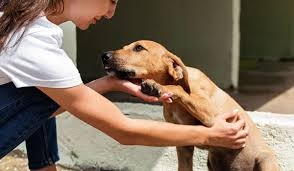
Animal hospitals play a crucial role in animal rescue efforts. They provide immediate care to injured and abandoned animals. When you see a veterinarian in Cinco Ranch, TX, for instance, you witness a professional ready to save lives. These hospitals handle emergencies with expertise. They treat wounds, perform surgeries, and offer shelter. Skilled professionals work tirelessly to rehabilitate animals. They show compassion, giving neglected animals a chance to heal. Their commitment extends beyond treatment. They also partner with rescue groups. This collaboration ensures animals find caring homes. By educating the public, these hospitals also help prevent future neglect. Through vaccinations, spay, and neuter programs, they reduce overpopulation. With each effort, they make a difference. Support from the community is essential. You can contribute by adopting, fostering, or donating. Every small action strengthens animal rescue efforts. Together, humans and hospitals can create a safer world for animals in need.
Emergency Care and Treatment
In times of crisis, animal hospitals spring into action. They provide urgent medical attention to animals in distress. Many animals arrive with life-threatening injuries or illnesses. Without quick intervention, their chances of survival decrease. Trained veterinarians and staff administer essential treatments with precision. Animals receive the care they need to recover. These interventions are often the first step in a long journey of rehabilitation.
Partnerships with Rescue Organizations
Animal hospitals often collaborate with local rescue groups. These partnerships enhance their impact on the community. By working together, they maximize resources and reach. Rescue organizations rely on hospitals for medical support. Meanwhile, hospitals depend on rescues to find loving homes for their patients. This synergy ensures that animals have the best chance at a better life.
Preventive Care and Public Education
Preventive care is key to reducing animal suffering. Animal hospitals offer vaccinations and spaying or neutering. These services prevent the spread of diseases and reduce overpopulation. By curbing these issues, hospitals minimize the number of animals needing rescue. Education is another critical component. Hospitals inform the public about responsible pet ownership. They hold workshops and provide resources to pet owners. This knowledge helps prevent future cases of neglect and abandonment.
The Importance of Community Support
Animal hospitals cannot do it alone. Community involvement boosts their efforts. Volunteers support various hospital activities. Donations help fund life-saving treatments and supplies. Adoption and fostering open new chapters for rescued animals. Each community member plays a role in these efforts. Together, we can ensure a brighter future for our animal friends.
Comparative Impact of Animal Hospitals and Rescue Organizations
| Aspect | Animal Hospitals | Rescue Organizations |
|---|---|---|
| Primary Focus | Medical treatment and care | Finding homes for animals |
| Key Strength | Expertise in veterinary care | Outreach and placement services |
| Community Engagement | Preventive education and clinics | Adoption events and awareness campaigns |
Conclusion
Animal hospitals are pillars of support in rescue efforts. Their work saves lives and restores dignity to abandoned animals. By treating injuries and illnesses, they open doors to new beginnings. Their partnerships with rescue organizations strengthen their reach. Through preventive care and education, they lay the groundwork for lasting change. With community backing, these institutions can continue to thrive. Together, we can support their mission and create a haven for animals. For more information on how you can help, visit the American Veterinary Medical Association for guidance on responsible pet ownership. Let us stand by these heroes and work towards a future where every animal finds love and care.
read more : Understanding the Role of Neutral Parties in Conflict Resolution