
Transformative Technologies Enabled by Advanced Silicon Use
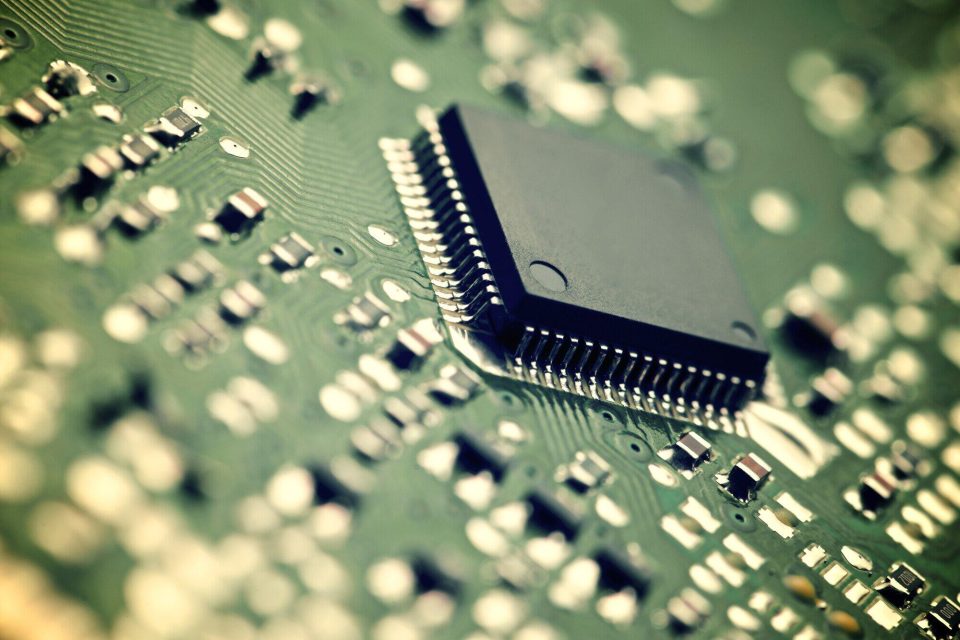
Silicon supports many of the tools used in modern life. It powers computers, phones, vehicles, medical devices, and energy systems. New research continues to expand what silicon can do.
As a result, many industries are entering a period of rapid change. This article explains how advanced silicon use enables new technologies that shape work, communication, and daily living.
It also shows why silicon use stays important as global demand for speed, safety, and efficiency grows. Read on.
Silicon and the Next Wave of Computing
Computing relies heavily on silicon, and progress in this field remains steady. Engineers keep shrinking transistors to increase the power of new chips. Smaller transistors allow processors to handle more tasks at the same time. They also reduce the amount of energy needed to run large systems.
Better packaging methods add to this progress. When parts are placed close together, signals move faster. This reduces delays and improves performance in demanding applications. These changes support artificial intelligence tools, cloud services, robotics, and scientific work.
They also make everyday devices faster and more responsive. As computing needs grow, silicon continues to support stronger and more reliable systems.
Advanced Materials for High-Precision Manufacturing
Manufacturing depends on stable and accurate materials. Silicon supports machines that must work with small features and tight limits. Factories use sensors and controls made from silicon to keep equipment in good condition. These tools help reduce waste and improve quality.
New methods allow silicon to be shaped with great precision. These methods support industries that require detailed patterns and smooth surfaces. They also help create circuits that work with lower energy loss. In this area, patterned silicon wafers give engineers a way to guide electrical signals with greater accuracy. This improves the performance of many devices used in science, medicine, and communication.
Silicon in Renewable Energy and Storage
Silicon plays a major role in solar power. Most solar cells rely on silicon to absorb sunlight and convert it into electricity. Researchers continue to improve the design of these cells. They create surfaces that capture more light. They add layers that reduce reflection and boost efficiency.
Higher efficiency leads to better energy systems. Solar panels made with advanced silicon can produce more electricity in the same amount of space. This lowers the cost of renewable energy for homes and businesses. It also helps communities build cleaner power systems.
Silicon also improves energy storage. Batteries that use silicon in their anodes can store more energy. This increases the range of electric vehicles and reduces charging time. In addition, these batteries support large storage units for renewable farms and city grids. Silicon helps balance power supply during changing weather and high demand.
Support for Smart Devices and Edge Computing
Many modern devices need to gather data and act on it quickly. These devices include home tools, wearables, industrial monitors, and vehicle systems. They rely on silicon-based sensors and processors to perform their tasks.
Edge computing brings processing closer to the source of data. This reduces delays and improves safety in time-critical systems. Silicon helps build small and efficient chips that run in limited space. These chips support devices that track movement, temperature, pressure, or sound. They also help manage networks with millions of connected tools.
As more industries turn to smart automation, silicon becomes even more valuable. It helps create stable and secure devices that can work around the clock with low energy use. These devices support better decisions and lower maintenance costs.
Healthcare Devices and Diagnostic Tools
Healthcare has changed greatly through the use of silicon. Many medical devices now depend on small and accurate sensors. These sensors track vital signs such as heart rate, oxygen level, and body movement. They allow patients to monitor their health at home. This reduces stress on hospitals and helps doctors watch long-term conditions.
Silicon also supports advanced tools used in clinics and labs. These tools measure chemicals, detect infections, and guide treatments. They produce precise results that help doctors plan better care.
Many devices are becoming smaller and easier to use. This makes healthcare more accessible for people in remote areas or with limited mobility.
Imaging and Sensing for Industry and Research
Silicon has improved imaging and sensing across many fields. Cameras in phones and tablets use silicon sensors for clear and bright photos. Industrial machines use silicon tools to detect defects in products. These systems help ensure quality in electronics, food processing, and manufacturing.
Silicon sensors also guide environmental monitoring. They detect gas, heat, moisture, and other elements in the air. This helps protect buildings and communities from harmful conditions. These sensors support early warning systems for fires, leaks, or dangerous emissions.
In science, silicon-based instruments capture images of space, cells, and physical structures. They help researchers study objects that are too small or too distant to see with normal tools. These discoveries support progress in physics, biology, chemistry, and engineering.
Power Electronics and Electric Mobility
Power electronics depend on materials that can handle high heat and high voltage. Silicon supports these needs well. It helps devices convert electricity from one form to another with low loss. This keeps motors, chargers, and power grids stable.
Electric vehicles use power electronics to control movement and manage batteries. Better silicon designs improve driving range and reduce heat. They also make charging faster and more efficient. As more countries adopt electric transportation, silicon becomes even more important.
Silicon carbide and related materials add extra strength to power systems. They improve performance at high temperatures. They also support faster switching, which reduces waste. These improvements help industries create lighter, safer, and more efficient machines.
Silicon’s Role in Future Innovation
Silicon will continue to shape future technology. Engineers seek smaller features, better purity, and stronger structure. New lithography methods help create detailed patterns. These patterns guide signals with greater speed and lower energy use.
Future computers may run more tasks with less power. Future solar panels may reach new levels of efficiency. Future medical devices may become more comfortable and more accurate. Future sensors may detect even smaller changes in the world around us.
Advanced Silicon Use: Learn All About Transformative Technologies
Silicon use supports progress in computing, manufacturing, energy, healthcare, sensing, and transportation. It helps industries build devices that are fast, accurate, and efficient.
It also supports cleaner power systems and better medical tools. As new methods emerge, silicon will continue to guide innovation across many fields. Its role in shaping modern technology will remain strong for years to come.