
A Complete Guide to Activated Carbon Filtration and How It Supports Cleaner Water
Clean, safe water is something many people take for granted until an issue arises in their home or workplace. Whether the concern is taste, odour, sediment or chemical contaminants, water filtration systems play an important role in improving water quality. One of the most effective filtration materials used worldwide is activated carbon. If you want to understand its value in modern water treatment, you can explore why activated carbon is essential for clean water, especially in residential filtration and larger commercial systems. Its ability to absorb impurities while allowing water to flow freely makes it a trusted solution for everyday use.
Activated carbon has been used in filtration for decades, and its popularity continues to grow as communities become more aware of water purity, household health and the importance of removing unwanted substances from drinking water.
What Is Activated Carbon
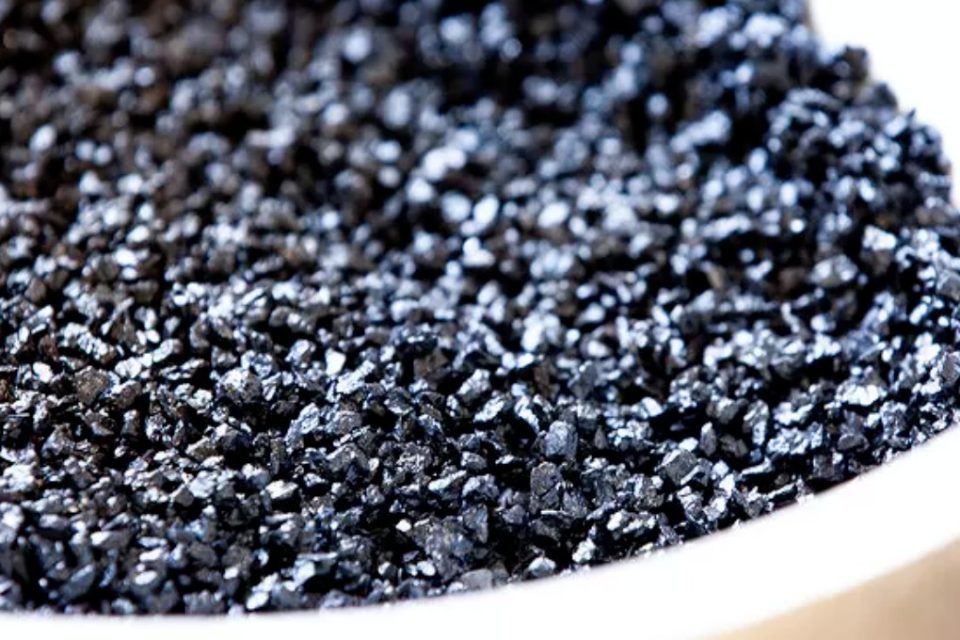
Activated carbon is a form of carbon processed to have a very high surface area. This porous structure allows it to trap contaminants as water passes through.
Key Features of Activated Carbon
- Extremely high internal surface area
- Millions of microscopic pores
- Strong ability to absorb organic compounds
- Made from natural sources such as coconut shells or coal
This unique structure gives activated carbon exceptional filtration efficiency.
How Activated Carbon Cleans Water
Activated carbon works through a process called adsorption. Unlike absorption, where a substance is soaked into a material, adsorption traps contaminants on the surface of the carbon.
What Activated Carbon Removes
- Chlorine
- Volatile organic compounds
- Pesticides and herbicides
- Sediment and microparticles
- Unpleasant tastes and odours
Its targeted filtration makes drinking water clearer and more pleasant to use.
read more : Explore Elderly Housing Choices That Make Everyday Life Easier & Safer
Types of Activated Carbon Filters
Activated carbon can be configured in several ways depending on the water filtration needs.
Granular Activated Carbon
Granular carbon consists of small, loose particles used in many domestic filters. It allows good water flow and is common in under sink and whole house systems.
Carbon Block Filters
Carbon block filters compress carbon into a solid form. They remove finer particles and are often used in premium systems.
Powdered Activated Carbon
Powdered carbon works quickly due to its small particle size. It is frequently used in wastewater treatment and industrial applications.
Each type is selected based on the level of filtration required.
Why Activated Carbon Is Widely Trusted
Activated carbon filtration is effective, affordable and natural. It is also environmentally friendly because it is made from renewable sources like coconut shells.
Key Advantages
- Improves taste and odour
- Reduces harmful chemicals
- Requires little maintenance
- Compatible with many filtration systems
- Long lasting when properly replaced
Its versatility makes it a leading choice for households, businesses and large scale water treatment facilities.
The Role of Activated Carbon in Household Water Systems
Many homeowners rely on activated carbon to improve their everyday water use.
Common Home Applications
- Under sink drinking water filters
- Whole house filtration systems
- Shower filters
- Fridge and benchtop purifiers
- Portable water jugs
Carbon filtration supports cleaner, fresher water for cooking, drinking and bathing.
How Activated Carbon Enhances Health and Safety
Clean water contributes to wellbeing in many ways. Activated carbon helps protect households from contaminants that may otherwise pass through untreated.
Benefits for Health
- Reduces exposure to chemicals
- Helps remove contaminants that affect taste and smell
- Supports families with sensitive skin
- Provides peace of mind with every glass of water
While no filter can remove every contaminant, activated carbon significantly improves household water quality.
Understanding Filter Lifespan and Maintenance
To maintain performance, activated carbon filters must be replaced regularly. Over time, the pores fill with contaminants and become less effective.
Signs Your Filter Needs Replacing
- Noticeable change in taste
- Reduced water flow
- Cloudiness in water
- Unusual smell
Replacing filters according to manufacturer guidelines keeps your system working efficiently.
Activated Carbon in Commercial and Industrial Filtration
Activated carbon is essential not only in homes but also in larger facilities that rely on clean water for health, production or compliance.
Commercial Uses
- Hospitality and food service
- Aquariums and aquatic centres
- Manufacturing plants
- Health and beauty industries
- Breweries and food processing
These industries depend on high quality water to protect equipment, meet safety standards and maintain product quality.
Environmental Benefits of Activated Carbon
Activated carbon is considered a sustainable filtration material because it can often be reactivated through high temperature treatment, restoring its adsorption capacity.
Environmental Advantages
- Made from natural raw materials
- Reduces reliance on plastic and chemical based systems
- Can be recycled or reactivated
- Helps reduce chemical contaminants in wastewater
This makes it suitable for eco conscious homeowners and industries.
How Activated Carbon Works With Other Filtration Methods
In many systems, activated carbon is paired with other technologies to provide full spectrum filtration.
Common Combinations
- Sediment filters for large particles
- Reverse osmosis for high purity
- UV sterilisation for microorganisms
- Ion exchange filters for hardness
Activated carbon is an excellent first line of defence in multi stage systems.
Choosing the Right Carbon Filter for Your Needs
Not all systems use the same type of carbon or configuration. The best choice depends on water quality and intended use.
Factors to Consider
- Level of contaminants
- Water flow requirements
- Size of household or business
- Budget and maintenance schedules
- System compatibility
A professional assessment ensures the most effective filtration solution.
Conclusion
Activated carbon is one of the most reliable and widely used filtration materials in the world. Its porous structure and natural composition make it effective at removing odours, chemicals and impurities that affect water quality. If you want to understand its benefits more deeply or seek guidance on filtration systems, you can explore why activated carbon is essential for clean water and learn how it can support healthier, safer water in your home or workplace. With the right filter and regular maintenance, activated carbon provides a simple and dependable way to improve water quality for everyday use.