
Essential Tips for Purchasing a Mountain Home
Key Takeaways
- Assess accessibility and infrastructure to ensure year-round convenience.
- Understand the financial implications, including hidden costs and insurance requirements.
- Evaluate environmental risks and necessary mitigation strategies.
- Familiarize yourself with local regulations and community guidelines.
- Engage local experts to navigate the complexities of mountain real estate.
Table of Contents
- Introduction
- Accessibility and Infrastructure
- Financial Considerations
- Environmental Risks and Mitigation
- Local Regulations and Community Guidelines
- Engaging Local Experts
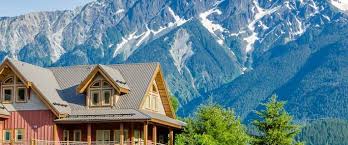
Envision owning a home surrounded by majestic peaks and crisp mountain air—a dream come true for many. But before taking the plunge, it’s crucial to consider the unique aspects of mountain home ownership. The stunning scenery and tranquility come with their own challenges that require careful evaluation. Seeking the guidance of Blue Ridge GA real estate experts Georgia Real Estate Company can make the process smoother, ensuring you make a well-informed and rewarding decision.
From understanding year-round accessibility to evaluating financial implications, buyers must anticipate the practical realities of mountain living. Unpredictable weather, fluctuating costs, and stringent local regulations are factors that distinguish mountain properties. By addressing these aspects early, you’re better equipped to find a home that delivers serenity without unexpected headaches.
Evaluating infrastructure, budgeting for hidden expenses, and planning for environmental risks are essential in these scenic locations. Additionally, familiarizing yourself with community guidelines and engaging with experienced local professionals are central to a successful purchase.
Accessibility and Infrastructure
One of the most important aspects of owning a mountain home is year-round accessibility. While snow-blanketed roads and secluded driveways add to the charm, they can also pose significant challenges during harsh winters. Reliable road maintenance is essential, not only for daily commutes but also for ensuring timely access to emergency services in critical situations. Many mountain properties are located farther from town centers, affecting everything from grocery shopping to school drop-offs and healthcare appointments.
Essential Services and Distance Concerns
Buyers should assess proximity to essential services, including grocery stores, pharmacies, medical facilities, and schools. While solitude is appealing, it shouldn’t come at the expense of convenience and safety. Ask about the frequency of snow removal, road closures, and the reliability of local infrastructure.

Financial Considerations
Purchasing a mountain property often involves more complex financial planning than a home in the city or suburbs. In addition to the purchase price, homeowners should account for hidden costs: property owners’ association (HOA) dues, increased heating and utility expenses, snow and debris removal fees, and routine infrastructure maintenance. In many cases, insurance costs are higher due to the elevated risks associated with natural hazards unique to mountain environments. Evaluating long-term affordability before committing is critical to ensure the decision remains financially viable.
Understanding Loans and Insurance
Loan approvals for mountain homes may come with stricter requirements due to the perceived higher risks associated with these properties. Lenders often require buyers to purchase specialized insurance policies against floods, wildfires, and landslides.
Environmental Risks and Mitigation
Mountain properties, while beautiful, are especially vulnerable to environmental hazards. Wildfires, landslides, and flooding are legitimate concerns, particularly as climate patterns shift. Responsible ownership requires a proactive approach—conduct a comprehensive risk assessment during the due diligence process and invest in mitigation strategies. Creating defensible space by clearing brush, installing ember-resistant vents, and using non-combustible building materials dramatically increases your property’s safety profile.
Risk-Reduction Strategies
Modern technology helps minimize specific risks. Consider enhancements such as weatherproofing the home, installing sump pumps in flood-prone areas, and utilizing innovative monitoring systems for early detection of hazards. It’s wise to discuss coverage limitations and additional policy features extensively with your insurance provider before finalizing the purchase.
Local Regulations and Community Guidelines
Mountain communities often maintain strict zoning laws and homeowners’ association standards to preserve the area’s natural beauty and ecosystem. These regulations regulate the scope of homeowners’ rights, including property modifications, rental operation terms, vehicle restrictions, and landscape maintenance. For buyers contemplating rental income, pay special attention to short-term rental laws and restrictions—many popular mountain towns have enacted stringent measures in recent years.
Navigating Compliance and Restrictions
The right to use a property as a short-term rental can affect both your enjoyment and the potential value of your investment. Violating these regulations can result in costly fines or even lawsuits from local associations. Before finalizing any purchase, review all local ordinances, consult with association leaders, and acquire written verification of what is and isn’t permissible.
Engaging Local Experts
Working with local real estate agents and property managers is invaluable for buyers from out of the area. These professionals provide essential information on fair market values. They can connect you with reliable contractors, inspectors, and maintenance teams who are skilled in addressing the unique needs of mountain properties. Their knowledge of local regulations, community culture, and available services will help streamline your search and prevent costly oversights.
Long-Term Support and Community Integration
Additionally, partnering with local professionals ensures ongoing support after your purchase, from emergency repairs to routine upkeep. This strong network allows you to fully enjoy mountain living and quickly integrate into the community culture.
Purchasing a mountain home requires thoughtful planning and the right guidance. By addressing each of these vital steps—accessibility, finances, hazards, regulations, and expert partnership—you’ll lay the groundwork for a rewarding experience in a breathtaking setting.
also read: Outpatient Treatment Programs That Support Lasting Recovery