
The Connection Between Nutrition And Veterinary Wellness Exams
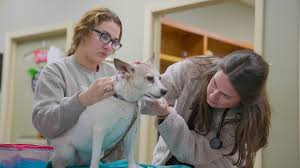
You care deeply about your pet’s health. Regular wellness exams keep your pet on the path to a healthy life. However, nutrition plays a big role, too. When you combine proper nutrition with routine veterinary check-ups, you give your furry friend the best chance at a long, happy life. A veterinarian in North Augusta, SC, knows the importance of this connection. Your pet’s diet affects their overall health. It impacts their energy, their immunity, and even their mood. During wellness exams, vets can spot potential issues and provide guidance on dietary adjustments. They see the signs of poor nutrition and help you make better choices. You want your pet to thrive, and proper nutrition is key. Understanding what your pet eats helps you prepare them for a healthier future. Remember, what goes into your pet’s bowl matters just as much as those crucial vet visits.
Why Nutrition Matters
Nutrition provides the building blocks for your pet’s health. Proper nutrients support growth, repair, and maintenance of their body. When your pet eats right, they build resilience against diseases and maintain energy. A balanced diet ensures they get essential fatty acids, proteins, vitamins, and minerals. Without these nutrients, pets may suffer from various health problems.
The Role of Wellness Exams
Wellness exams are regular check-ups that monitor your pet’s overall health. These visits identify underlying health issues before they become severe. Vets assess weight, check vital signs, and inspect teeth, skin, and coat. They also discuss any changes in behavior. The exam is an opportunity to ask questions about your pet’s diet and get advice on nutritional adjustments.
Comparing Diets: Impact on Pet Health
| Diet Type | Benefits | Potential Issues |
|---|---|---|
| Commercial Dry Food | Convenient, balanced nutrients | May contain fillers, risk of obesity if overfed |
| Commercial Wet Food | High moisture content, palatable | Higher cost, can cause dental issues |
| Raw Food Diet | Natural diet, no additives | Risk of bacterial infection, requires careful balance |
Nutrition Tips for Pet Owners
To give your pet the best nutrition, consider these tips:
- Choose a balanced diet suited to your pet’s age, size, and health needs. Check with your vet for recommendations.
- Avoid overfeeding. Monitor portion sizes and maintain a regular feeding schedule.
- Introduce new foods gradually to avoid digestive upset.
- Provide fresh water at all times.
- Regularly revisit your pet’s dietary needs as they age or if their health changes.
For more detailed guidance on pet nutrition, the FDA’s Pet Food Guide offers valuable resources.
The Combined Impact
When you combine proper nutrition with regular wellness exams, your pet benefits from both prevention and timely intervention. These two elements work together, forming a robust foundation of health. Nutrition fuels your pet’s body while wellness exams ensure they’re on the right track. Together, they help detect and mitigate health issues early, leading to a healthier and happier pet.
Conclusion
Your pet’s health is a top priority. By focusing on both diet and regular vet visits, you ensure they live a balanced life. Keep in mind how what you feed them affects their wellbeing. Use wellness exams as a chance to refine their diet. Your careful attention helps them thrive, so they remain your loving companion for years to come. Stay informed and make decisions that lead to a thriving pet.
How to Recognize a Legit Cannabis Dispensary: Tips and Tricks