
How Technology Is Transforming Family And Implant Dentistry
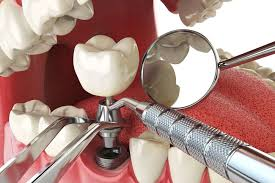
Technology is changing how you protect your teeth, your smile, and your health. In family and implant dentistry, new tools now guide every step of care. You see clearer pictures, feel more control, and recover with less stress. Digital scans replace messy molds. 3D images show hidden problems before they turn into pain. Guided implant surgery helps place implants with strong accuracy. Even full arch replacement Grand Rapids, MI now uses planning software and custom parts. As a result, you get treatment that fits your mouth, your budget, and your daily life. You spend less time in the chair. You face fewer surprises. You gain a clear plan you can understand. This blog explains how these changes affect you and your family. It shows what to expect at your next visit and how to ask for the care you deserve.
Digital X rays and 3D scans
You now see your teeth in ways that were not possible before. Digital X rays use less radiation than old film X rays. They also show clear pictures on a screen in seconds. You can look at these pictures with your dentist and talk through the plan together.
Then 3D cone beam scans add one more layer. They show the height, width, and depth of your bone. They also show nerves and sinuses. This helps your dentist place implants in safe spots and avoid surprise problems. The Centers for Disease Control and Prevention explains that early detection of tooth and bone problems lowers the risk of tooth loss. Better images give that early warning.
With these tools you get:
- Faster visits
- Clearer pictures
- More accurate treatment plans
Messy molds out. Digital impressions in.
In the past you had to bite into trays filled with thick paste. Many people gagged. Some felt fear. Now many offices use digital scanners that look like a small camera. The scanner moves around your teeth and builds a 3D model on the screen.
This scan then guides crowns, bridges, clear aligners, and implant parts. You can see the model and ask questions. You feel more calm when you can see what will happen.
Digital impressions help you because they:
- Remove the need for sticky molds
- Cut down on repeat visits for fixes
- Support a closer fit of crowns and implant parts
How technology shapes implant planning
Implant dentistry now uses careful planning from start to finish. Your dentist can blend your 3D scan with digital impressions of your teeth. Then special software shows the best spot and angle for each implant. This helps protect nerves and sinuses. It also sets the stage for teeth that look and feel natural.
Next your dentist may order a custom guide. This guide sits on your teeth during surgery and directs the drill into the planned spot. The result is more control and less guesswork.
The National Institute of Dental and Craniofacial Research reports that many adults lose at least one tooth. Implants often help protect bone and chewing strength. Technology now makes this treatment more accurate and steady.
read more : Custom Carpentry Projects to Transform Every Corner of Your Home Now
Comparing traditional and tech driven care
The table below shows key differences between older methods and newer tools in family and implant dentistry.
| Type of care | Traditional method | Technology supported method | How it affects you |
|---|---|---|---|
| X rays | Film X rays | Digital X rays | Less radiation. Faster results. Easier sharing. |
| Impressions | Paste molds in trays | Digital scans | Less mess. More comfort. Better fit. |
| Implant planning | 2D X rays | 3D cone beam scans with software | More accurate implant spots. Fewer surprises. |
| Implant surgery | Freehand placement | Guided surgery with custom guides | More control. Shorter chair time in many cases. |
| New teeth design | Hand made models only | Digital design and milling | Closer match to your bite. Faster delivery. |
Same day crowns and faster repairs
Some offices now use in house milling machines. These devices shape crowns and small bridges from solid blocks. Instead of sending molds to a lab and waiting weeks, your dentist may scan your tooth, design the crown on a screen, and mill it the same day.
This process often means:
- One visit instead of two or three
- No need for a fragile temporary crown
- Less time off work or out of school
You still need time for careful fitting and polishing. Yet the whole process becomes more direct. You walk out with a strong tooth that same day in many cases.
Technology for children and teens
Family dentistry also changes for children and teens. Smaller digital sensors fit little mouths. Child friendly cameras show kids their own teeth on a screen. This turns fear into curiosity. Clear aligners and low profile braces use 3D planning to move teeth in small steps.
Parents now see growth charts, spacing, and crowding in simple images. You can talk about timing. You can pick the right moment for braces or other care. Early pictures and scans support smaller changes instead of large repairs later.
Comfort, safety, and your role
New tools in dentistry also support safety. Digital records track your health history, medicines, and allergies in one place. Many offices use cameras to check cleaning quality and watch small spots over time.
You play an active role in this progress. During visits you can:
- Ask to see your X rays and scans
- Ask how technology shapes the plan
- Share any fear or past trauma so the team can adjust
Technology should not replace human care. It should support honest talk, clear choices, and steady follow through. When your dentist explains the screens and tools in plain words, you gain trust and control.
Questions to ask at your next visit
At your next family or implant visit, you can use these three questions.
- What digital tools will you use to plan and track my care
- How do these tools change my choices, costs, and healing time
- Can you show me my images and explain what you see
Direct questions show that you want clear answers. A strong office will welcome this and walk through each step with you.
Moving toward stronger everyday care
Technology in family and implant dentistry keeps growing. Yet the goal stays simple. You want to eat, speak, and smile without pain. You want care that respects your time, money, and history.
Digital X rays, 3D scans, guided implants, and in house milling bring you closer to that goal. They help your dentist see more, plan better, and act with precision. When you pair these tools with daily brushing, flossing, and regular checkups, you protect your teeth and your health for years.
You deserve clear answers and careful work. At each visit, use the tools around you to understand your mouth, your choices, and your next steps. That knowledge gives you strength and peace of mind.