
Why Animal Hospitals Are Vital In Spay And Neuter Programs
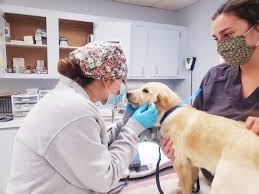
Spay and neuter programs protect animals, people, and neighborhoods. You see fewer stray litters, less fighting, and less suffering. Yet these programs only work when animal hospitals guide every step. A Kingstowne veterinarian checks each animal before surgery, uses safe medicine, and watches for pain or bleeding. This care lowers risk and prevents quiet problems that can turn deadly. Animal hospitals also keep records, track vaccine needs, and watch for disease that can spread through a shelter or a street. They train staff, support rescue groups, and help owners who feel scared or unsure. Without this structure, spay and neuter can become rushed, unsafe, and chaotic. With it, you get steady progress and real change. This blog explains why animal hospitals anchor strong spay and neuter programs, and how their work protects every life that enters the exam room.
How animal hospitals keep surgery safe
Spay and neuter surgery is common. It is still surgery. Your animal needs a full health check, safe medicine, and close watching. Animal hospitals provide three core safeguards.
- Before surgery. Staff weigh your animal, check the heart and lungs, and review any past health problems. Blood tests can uncover kidney or liver trouble that raises risk.
- During surgery. A trained team watches heart rate, breathing, and body temperature. They adjust anesthesia so your animal stays asleep but stable.
- After surgery. Staff watch for slow waking, pale gums, or swelling at the cut. They treat pain and send you home with clear steps for care.
The Centers for Disease Control and Prevention explains that spay and neuter also help control disease in animal groups and communities. You can read more in their guidance on animal health at https://www.cdc.gov/.
Why spay and neuter protect your animal
Spay and neuter programs do more than stop litters. They lower the risk of some cancers and infections. They can also calm roaming and fighting. When an animal hospital runs the surgery, your animal gets tailored care.
You gain three clear benefits.
- Health protection. Spayed females face a much lower risk of uterine infection and some breast tumors. Neutered males face less risk of testicular cancer.
- Behavior changes. Many animals roam less, mark less, and fight less. This protects your family and other animals.
- Long term planning. Your veterinarian can time surgery to match age, size, and breed. That timing matters for safe growth.
The American Veterinary Medical Association provides plain guidance on benefits and timing of spay and neuter. You can review their advice at https://www.avma.org/resources-tools/pet-owners/petcare/spaying-and-neutering.
How animal hospitals support community programs
Strong spay and neuter programs rely on structure. Animal hospitals give that structure through planning, record keeping, and staff training.
- Planning. Hospitals help shelters and rescue groups set surgery days, arrange transport, and plan recovery space.
- Record keeping. Staff log each surgery, vaccine, and health issue. This record protects your animal and helps track trends in your town.
- Training. Veterinarians train nurses, assistants, and volunteers in safe handling, cleaning, and early warning signs of trouble.
This support lets shelters focus on placement and outreach. It also keeps public trust. People are more willing to join a program when they know a trusted hospital stands behind it.
Comparing types of spay and neuter services
You may see different choices for surgery. Each choice carries different strengths and limits. Animal hospitals often partner with mobile or clinic programs to close gaps in care.
| Service type | Typical setting | Main strengths | Main limits |
|---|---|---|---|
| Full service animal hospital | Permanent building with full staff and equipment | Broad testing, monitoring, emergency care, follow up | Higher cost than some clinics. May need an appointment wait |
| Low cost spay and neuter clinic | Fixed clinic focused on high volume surgery | Lower cost. High number of surgeries per day | Limited testing. Limited follow up. Often no emergency care on site |
| Mobile clinic or surgery day | Van or temporary setup at a shelter or community site | Reaches remote or low income neighborhoods. Fewer travel needs for owners | Short contact time. Limited tools. Follow up often shifts back to hospitals |
The safest choice is a program that links each option with an animal hospital. That link lets your animal move into higher care fast if something goes wrong.
What you can expect as a pet owner
You play a central part in safe spay and neuter. An animal hospital supports you with clear steps and honest talk. You can expect three phases of guidance.
- Before surgery. Staff explain food limits, medicine rules, and drop off times. You can share fears or questions. Nothing is too small.
- Day of surgery. You sign consent forms and confirm contact numbers. Staff remind you what signs to watch for at home.
- After surgery. You get written and spoken instructions. These cover pain control, activity limits, wound checks, and when to call for help.
When you follow these steps and stay in touch, you give your animal the best chance for a smooth recovery.
Why your choice of hospital matters
Your choice of animal hospital shapes your animal’s safety and comfort. It also shapes the strength of spay and neuter programs in your community. Look for three things.
- Clean, calm spaces for surgery and recovery
- Willing answers to hard questions about risk and cost
- Clear paths for emergency support and follow up visits
When you support a strong hospital and join spay and neuter programs, you cut suffering in your neighborhood. You help shelters breathe easier. You protect your own animal with careful, science based care. That single choice sends a quiet but powerful message. Every life has worth, and every surgery deserves the safest hands possible.
6 Industries That Benefit Most From Advanced Inspection Gear