
4 Common Treatments In Periodontics That Support Implant Care
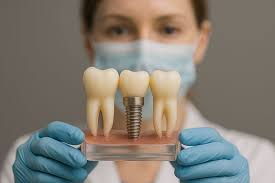
Healthy gums decide if your dental implants last. Periodontics focuses on the tissue and bone that hold your teeth and implants in place. When this support breaks down, implants can loosen, fail, or never be safe to place. This blog explains four common periodontal treatments that protect that support and keep your mouth stable. You will see how cleaning below the gumline, reshaping tissue, rebuilding bone, and treating infection all connect to implant care. Each step reduces hidden risks, controls bleeding, and cuts pain over time. If you are thinking about dental implants Westchester County NY, or already have them, you need to understand these treatments. Clear information helps you ask sharp questions, plan ahead, and avoid delays. Strong gums are not a bonus. They are the base that keeps your implants steady every time you chew, speak, or smile.
Why Periodontal Treatment Matters Before And After Implants
Implants need healthy gums and strong bone. You can think of the implant as a fence post. The gum and bone are the soil that holds it. If the soil is thin or infected, the post tilts or comes out.
Periodontal treatment does three things.
- Removes harmful bacteria that attack bone and gums
- Shapes gum tissue so you can clean around implants
- Builds or preserves bone so implants can stay firm
Federal health experts stress that treating gum disease early lowers the risk of tooth and implant loss.
Treatment 1: Scaling And Root Planing
Scaling and root planing is a deep cleaning. It removes hard deposits and bacteria from below the gumline. It also smooths the tooth root so the gum can reattach.
This treatment supports implant care in three ways.
- It lowers the germ load before surgery.
- It reduces swelling and bleeding around teeth next to the implant site.
- It helps you keep natural teeth that share chewing force with implants.
During this visit, the periodontist or hygienist uses tools to clean each pocket around your teeth. You may receive numbing medicine for comfort. You then get home care instructions so you can keep those pockets clean.
Treatment 2: Gum Recontouring And Crown Lengthening
Gum recontouring changes the gum shape. Crown lengthening removes small amounts of gum and sometimes bone around a tooth. Both treatments create a cleaner and more stable line where teeth, gums, and future implants meet.
These treatments help when you have:
- Gums that cover too much tooth and make cleaning hard
- Uneven gum levels that trap plaque near an implant
- Teeth that need crowns before or after implant work
After healing, you can see and reach the edges of crowns and implants better. This supports daily brushing and flossing. It also gives the dentist space to place implant crowns that match nearby teeth.
Treatment 3: Bone Grafting
Bone grafting adds or restores bone where it is thin or lost. This is common after tooth loss, gum disease, or trauma. Without enough bone, the implant cannot anchor.
Common types include:
- Socket grafts placed right after extraction
- Ridge grafts to widen or raise thin jawbone
- Sinus lifts to create height in the upper back jaw
Grafts use natural or synthetic materials that your body replaces with its own bone over time. Healing can take several months. Your periodontist will time implant placement so the graft is strong enough to hold the implant under chewing forces.
Treatment 4: Peri-Implantitis And Gum Infection Therapy
Peri implantitis is infection and bone loss around an implant. It acts like gum disease around a tooth. Bleeding, swelling, and deep pockets show that bacteria are attacking the support around the implant.
Treatment can include:
- Deep cleaning around the implant threads
- Antimicrobial rinses or local antibiotics placed in pockets
- Surgery to clean infected tissue and reshape bone
Early care can save the implant. Delay raises the chance that the implant will loosen and need removal. The Centers for Disease Control and Prevention explain how common gum infections are and why regular checks matter.
How These Treatments Compare For Implant Support
| Treatment | Main Goal | Best Timing | Impact On Implant Success |
|---|---|---|---|
| Scaling and root planing | Reduce bacteria and pocket depth | Before implant planning and as needed after | Lowers infection risk and protects nearby teeth |
| Gum recontouring and crown lengthening | Improve gum shape and access for cleaning | Before implant placement or crown work | Makes hygiene easier and supports stable crowns |
| Bone grafting | Increase bone volume and strength | Before or at time of implant placement | Allows safe placement and long term support |
| Peri implantitis therapy | Control infection around existing implants | Any time signs of bleeding or bone loss appear | Can save implants and slow further damage |
What You Can Do To Support These Treatments
You play a direct role in how well these treatments work. You can:
- Brush twice a day with a soft brush and fluoride paste
- Clean between teeth and implants every day with floss, brushes, or water flossers
- Keep regular visits for cleanings and gum checks
- Stop smoking or vaping, which weakens bone and gums
- Tell your dentist about diabetes or other health conditions
Honest talk with your care team helps. Ask what your current gum and bone scores mean. Ask how each treatment changes your implant plan. Ask what signs should trigger a phone call.
When To Talk To A Periodontist
You should ask for a periodontal check if you notice:
- Bleeding when you brush or floss
- Bad taste or breath that does not clear with cleaning
- Gums pulling away from teeth or implants
- Loose teeth or changes in your bite
- Pain or swelling around an implant
Early treatment is kinder to your mouth and your budget. When you understand scaling and root planing, gum recontouring, bone grafting, and infection therapy, you can face implant care with more control and less fear. Strong support tissue gives your implants the best chance to last.
read more : How Prenuptial Agreements Can Strengthen a Marriage