
How Different Roofing Materials Withstand Harsh Storms

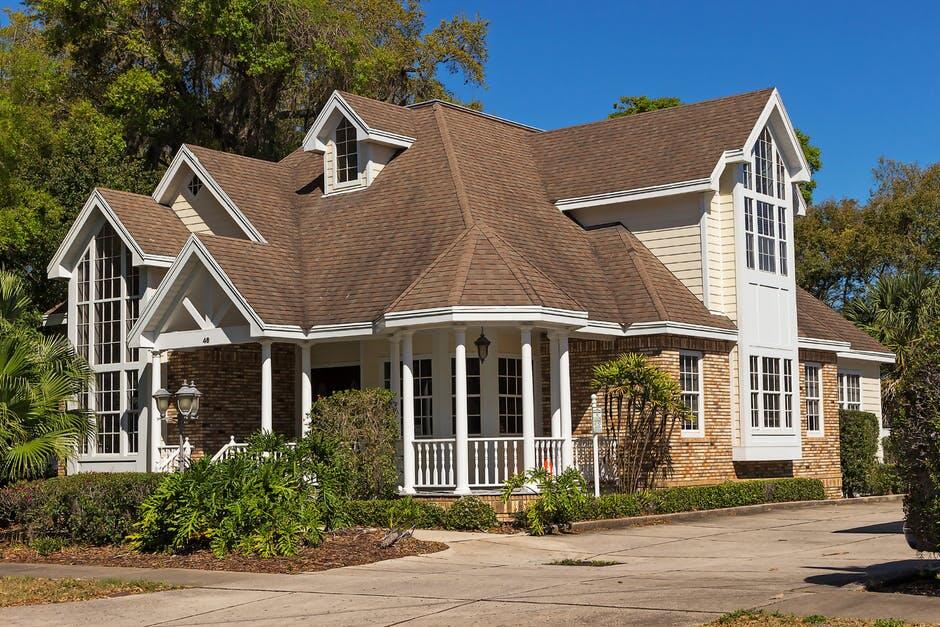
Roofs are one of the most important parts of a home. They protect people, furniture, and belongings from rain, wind, snow, and sun. A strong roof keeps the house safe and prevents costly damage to walls and interiors.
Choosing the right roofing material is essential, especially in areas with harsh weather. Some roofs are stronger against storms, while others may need frequent repairs. Homeowners need to know how each material behaves in extreme weather.
This guide explains the most common roofing materials and how well they withstand heavy storms, hail, and strong winds.
Asphalt Shingles
Asphalt shingles are widely used because they are affordable and easy to install. Many homeowners choose them for sloped roofs. Understanding how they perform during storms helps homeowners prepare for possible damage.
What Are Asphalt Shingles?
Asphalt shingles are the most common roofing material in the United States and other countries. They are made from a base of fiberglass or organic material coated with asphalt and covered with mineral granules.
Asphalt shingles come in different colors and styles, including three-tab and laminated types. They are popular because they are affordable, easy to install, and work well on most sloped roofs. Asphalt shingles are suitable for homeowners who want a balance of cost and durability.
How They Handle Storms
Asphalt shingles can resist moderate wind and rain. They typically last 20 to 30 years with proper care. During strong storms, shingles can lift, curl, or break, especially if they are old. Hail can cause small cracks or dents, which may lead to leaks if left unaddressed.
Homeowners in storm-prone areas should check their shingles after storms and replace any damaged pieces promptly. Proper installation with high-quality underlayment can increase resistance to water and wind, reducing the chances of storm damage.
Architectural Shingles
Architectural shingles are thicker and stronger than regular asphalt shingles. They are designed for homes that experience frequent storms. Many homeowners prefer them for their durability and aesthetic appeal.
What Are Architectural Shingles?
Architectural shingles are a higher-end version of asphalt shingles. They are thicker, layered, and sometimes called laminated shingles. These shingles create a textured, dimensional look that adds style to any home.
They are more expensive than standard asphalt shingles but offer better strength and longevity. Architectural shingles are also available in a wide range of colors, giving homeowners more design options.
Storm Resistance
Architectural shingles are stronger than standard asphalt shingles. They can resist heavier rain and wind because of their thicker construction. Proper installation helps prevent shingles from lifting during storms.
Architectural shingles often last up to 40 years when maintained. Their durability makes them a good choice for areas with frequent storms or strong winds. Homeowners should inspect shingles after heavy storms to spot damage early and avoid leaks.
Metal Roofing
Metal roofing is known for its strength and long lifespan. It can withstand extreme weather better than many other roofing types. Homeowners often choose it for areas with heavy storms, snow, or hail.
What Is Metal Roofing?
Metal roofs are made from steel, aluminum, copper, or zinc. They are lightweight, strong, and often come in large panels or shingles. Metal roofing can mimic the look of tile, slate, or wood. It is fire-resistant and requires less maintenance than many other materials. Metal roofs are becoming popular for modern homes and commercial buildings.
Handling Severe Weather
Metal roofing is excellent at withstanding strong winds, heavy rain, and snow. It rarely cracks, and its fire resistance adds extra protection for homes. Metal roofs can last 50 years or more, making them a long-term investment. Hail can dent metal panels, but leaks are uncommon.
Standing seam metal panels lock together for even more strength. Proper installation ensures that water does not seep under the panels during storms. Homeowners in hurricane or tornado zones often choose metal roofing for its durability and storm resistance.
Clay Tiles
Clay tiles are popular for their beauty and long-lasting performance. They are heavy and durable, but their weight affects how they handle strong winds. Understanding clay tiles helps homeowners protect their investment during storms.
What Are Clay Tiles?
Clay tiles are made from natural earth that is baked at high temperatures. They are heavy but durable and are often used in Mediterranean or Spanish-style homes. Clay tiles come in different shapes, including curved and flat tiles, and they can last for decades if maintained properly. Their rich colors and elegant appearance make them a popular choice for homeowners seeking aesthetic appeal as well as protection.
Durability in Storms
Clay tiles handle rain and heat well and resist fire naturally. They are strong against moderate winds but may crack under very strong winds or hail. The underlayment beneath clay tiles is critical for preventing leaks.
Proper installation is essential because loose or broken tiles can allow water to enter the roof structure. With routine inspection and occasional replacement of broken tiles, clay roofs can last 50 years or more. Homeowners should also be careful about walking on clay tiles, as their weight and fragility make them prone to cracking.
Concrete Tiles
Concrete tiles are extremely strong and can mimic the look of many other materials. They are ideal for homeowners seeking a balance between durability and style. Concrete roofs are often chosen in areas with harsh weather.
What Are Concrete Tiles?
Concrete tiles are made from cement, sand, and water. They are similar in appearance to clay tiles but are heavier and denser. Concrete tiles are durable and can be molded to resemble clay, wood, or slate. They are often used in homes that require long-lasting and strong roofing solutions.
Storm Resistance
Concrete tiles resist rain, wind, and fire well. They are less likely to break than clay tiles, but very strong storms can still dislodge tiles if not installed correctly. Proper sealing and underlayment improve water resistance. Concrete tiles often last 50 to 75 years with minimal maintenance.
Homeowners in areas with heavy storms or hail may choose concrete tiles because they provide excellent protection while maintaining a classic look. Regular inspections help replace any damaged tiles and prevent leaks.
Slate Roofing
Slate roofing is one of the most durable roofing materials available. Its density and weight provide excellent storm protection. Slate is ideal for homeowners who want longevity and elegance.
What Is Slate Roofing?
Slate roofing uses thin sheets of natural stone. It has a classic, elegant look and is known for extreme durability. Slate is heavier than most other materials, so roof structures must be reinforced to support it. Slate can last for 75 to 100 years, making it one of the longest-lasting roofing options available.
How Slate Performs in Storms
Slate can resist rain, snow, and wind very effectively. Hail can break some pieces, but damage is usually minimal. The weight and durability of slate make it very storm-resistant.
Proper installation and routine inspections are key to keeping slate roofs in excellent condition. Broken slates should be replaced immediately to prevent leaks. Homes with slate roofs are highly protected from most types of severe weather.
Wood Shingles
Wood shingles give homes a natural, warm look. They are lighter than wood shakes and require regular care. Understanding how storms affect them helps homeowners maintain their roofs.
What Are Wood Shingles?
Wood shingles are thin pieces of cedar, pine, or redwood layered on the roof. They provide a natural and warm appearance that complements many home styles. Wood shingles are lighter than shakes but require more maintenance to prevent rot and insect damage.
Storm Resistance
Wood shingles resist moderate wind and rain but are vulnerable to strong winds and hail. Proper maintenance, including sealing and treating the wood, can improve durability.
Homeowners in storm-prone areas should inspect shingles regularly and replace damaged pieces promptly. Wood shingles can last 20 to 30 years if cared for properly. They offer a natural look but may not be ideal for areas with frequent severe storms.
Wood Shakes
Wood shakes are thicker and rougher than shingles. They provide more insulation and extra storm protection. Homeowners looking for a rustic look often choose wood shakes.
What Are Wood Shakes?
Wood shakes are thicker and rougher than shingles. They are often hand-split, giving them a rustic and textured appearance. Wood shakes provide more thickness, which can add extra protection and insulation to the roof.
Storm Handling
Wood shakes last longer than thin wood shingles. They resist wind and rain fairly well, but hail can still cause damage. Treating shakes with water-resistant coatings can extend their life.
Regular maintenance ensures that shakes do not rot or become infested with insects. Homeowners with wood shake roofs should inspect them after storms to replace any damaged pieces. Proper installation also helps prevent leaks during heavy rains.
Synthetic Roofing
Synthetic roofing is designed to mimic natural materials while being more flexible. It is lighter than stone or wood but still strong against storms. Many homeowners choose synthetic roofing for its durability and appearance.
What Is Synthetic Roofing?
Synthetic roofing is made from rubber, plastic, or polymer materials. It can mimic the look of slate, wood, or tile while being lighter and more flexible. Synthetic roofing is often easier to install and can provide similar aesthetics to natural materials.
Storm Resistance
Synthetic roofing resists hail, wind, and water damage better than some natural materials. It is less likely to crack or break and can handle temperature changes well.
Synthetic roofs are often fire-resistant and require minimal maintenance. Some types can last 30 to 50 years. Homeowners seeking both durability and style may choose synthetic roofing for storm-prone areas because it offers strong protection without the heavy weight of stone or concrete.
Rubber Roofing
Rubber roofing is flexible and waterproof. It performs well on flat or low-slope roofs. Its durability makes it a reliable option for homes in areas with heavy storms.
What Is Rubber Roofing?
Rubber roofing is made from recycled tires or synthetic rubber. It is primarily used on flat or low-slope roofs but can also cover sloped roofs. Rubber roofing is waterproof and flexible, which allows it to withstand harsh conditions without cracking.
Performance in Harsh Weather
Rubber roofing resists water damage and can handle strong wind and hail. Its flexibility allows it to expand and contract without breaking. Proper installation is crucial for long-term protection.
Rubber roofing is durable, lasting up to 30 years, and requires minimal maintenance. Homeowners in areas with heavy rain or hail often choose rubber roofing for its reliable performance.
Green Roofs
Green roofs are covered with vegetation and soil. They absorb rainwater and reduce stormwater runoff. Homeowners often choose them for urban areas or energy efficiency.
What Are Green Roofs?
Green roofs are covered with soil and vegetation. They provide insulation, reduce stormwater runoff, and improve air quality. Green roofs are common in urban areas to manage rain and reduce heat.
Storm Resistance
Green roofs absorb rainwater and reduce flooding risks. They handle moderate storms well, but extreme wind may damage the plant layer. However, the waterproof membrane beneath the plants protects the roof itself.
Green roofs also help insulate the home, reducing energy costs. Homeowners should ensure proper maintenance and check plants after storms to prevent damage.
Solar Shingles
Solar shingles generate electricity while protecting the roof. They combine energy efficiency with storm protection. Proper installation ensures they remain durable during storms.
What Are Solar Shingles?
Solar shingles look like regular shingles but generate electricity. They are integrated into the roof and replace traditional roofing materials.
Durability in Storms
Solar shingles resist rain, wind, and hail. They are designed to withstand harsh conditions, but improper installation can reduce effectiveness.
A professional roof repair company should install solar shingles to ensure maximum durability and storm protection. Solar shingles combine energy production with roofing protection, offering a long-term solution for eco-conscious homeowners.
Learn More About Different Roofing Materials
Choosing the right roofing material is key to protecting a home. Each type has its strengths and weaknesses during storms. Metal, slate, and concrete are extremely strong against wind and rain.
Wood and asphalt require more maintenance to stay durable. Synthetic and solar shingles offer flexibility and long-term protection. Rubber, modified bitumen, and green roofs provide additional benefits depending on the climate.
Understanding how roofing materials perform in harsh weather helps homeowners make smart, lasting choices. A well-chosen roof keeps a home safe and reduces costly repairs for decades.
If you’d like to learn more, check out more articles on our blog.