
3 Benefits Of Orthodontic Treatment Beyond Straight Teeth
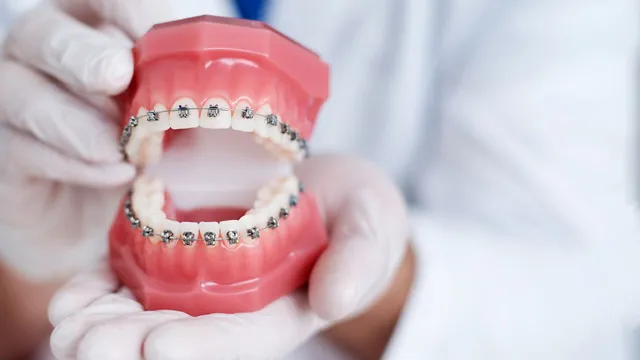
You might think orthodontic treatment only gives you straight teeth. The truth is harsher and more hopeful. Crooked teeth and a bad bite can strain your jaw, wear down teeth, and chip away at your self respect. A Montgomery orthodontist understands that braces and aligners do more than change your smile. They change how you eat, speak, and interact with people. This change can ease pain, prevent future dental work, and calm daily stress. You deserve more than a neat row of teeth. You deserve a mouth that works well, feels steady, and supports your confidence. This blog explains three benefits of orthodontic treatment that protect your health, your comfort, and your daily life. You will see how treatment can improve your bite, protect your teeth, and strengthen your emotional well being.
1. Better chewing and jaw comfort
Teeth that do not meet well force your jaw to work harder. You might chew on one side. You might swallow food that is not broken down. Over time, this strains your jaw joints and muscles. It can also upset your stomach.
Orthodontic treatment lines up your teeth so they share the work. Each bite becomes more even. Your jaw can move in a smoother, cleaner path. This change can ease pressure in your joints and cut down on muscle tension in your face and neck.
Here is what you may notice when your bite improves:
- Chewing feels easier and quieter
- Jaw clicking may lessen
- Morning jaw stiffness can fade
The National Institute of Dental and Craniofacial Research explains that bite problems can be linked to jaw joint pain and wear.
2. Easier cleaning and lower cavity risk
Crowded or twisted teeth trap food. They create small hidden corners that are hard to brush and floss. Even if you try hard, plaque can sit in those spots and turn into hard buildup. That buildup feeds decay and gum disease.
Orthodontic treatment opens up those tight spaces. Teeth move into a straighter line. This gives your toothbrush and floss a clear path. Routine care becomes more effective. You do the same daily steps, yet you remove more plaque.
Common changes after treatment include:
- Shorter brushing time with better results
- Less bleeding when you floss
- Fewer new cavities at checkups
The Centers for Disease Control and Prevention notes that tooth decay is one of the most common chronic diseases in children and adults CDC oral health conditions. Straightening teeth does not replace brushing, flossing, and fluoride. It does help those habits work with more force.
3. Stronger emotional stability and social comfort
Your mouth plays a central role in how you share with others. You speak, smile, and laugh with your teeth on display. If you feel uneasy about your teeth, you may cover your mouth or avoid photos. You may speak less in class, at work, or at social events.
Orthodontic treatment can break that pattern. When teeth line up, you may feel safer showing your full smile. That safety can spread into other parts of your life. You may join conversations. You may look people in the eye. You may feel calmer in job interviews and family events.
These changes are not about vanity. They are about respect for yourself. A steady, open smile can help you:
- Speak clearly without worrying about your teeth
- Share ideas in groups with less fear
- Build closer ties with family and coworkers
Emotional strain from worries about appearance can drain your energy. When you free yourself from that daily worry, you can focus on school, work, and home. You protect your mental health by removing one steady source of shame and stress.
How orthodontic treatment protects teeth over time
Beyond these three benefits, orthodontic treatment can lower the risk of tooth wear and injury. When certain teeth hit too hard, they chip and flatten. When front teeth stick out, they are more likely to break in a fall or during sports.
The table below compares common problems seen with untreated crowding and bite issues to outcomes after treatment. Every month is different. Still, this gives a clear picture of the tradeoffs.
| Condition | Without orthodontic treatment | With orthodontic treatment |
| Crowded teeth | Food traps. Higher decay and gum problems. Harder brushing and flossing. | Cleaner spaces. Easier routine care. Lower cavity and gum risk. |
| Deep overbite | Front teeth wear quickly. Possible gum damage behind front teeth. | More even bite. Less wear on front teeth. Healthier supporting tissue. |
| Open bite | Trouble biting into foods. Speech issues. Extra strain on back teeth. | Improved ability to bite foods. Clearer speech. Even spread of chewing forces. |
| Protruding front teeth | Higher risk of broken front teeth during falls or sports. | Lower risk of trauma. Better lip coverage and protection. |
| Crossbite | Uneven jaw growth. Chipped teeth. Possible gum recession on certain teeth. | Balanced bite. Reduced chipping. More stable gums. |
What to expect when you start
Taking the first step can feel heavy. You might worry about pain, time, or cost. You might wonder if treatment is worth it for you or your child.
Here is what usually happens when you meet an orthodontic provider:
- They listen to your concerns about chewing, pain, or appearance.
- They check your teeth, jaws, and bite with photos and X-rays.
- They explain clear options such as braces or aligners.
- They outline how long treatment might take and what it will require from you.
You can ask direct questions. You can request simple language. You can bring a family member for support. Respectful providers welcome all of that.
Taking care of your mouth during treatment
Braces and aligners need steady care. You protect your investment by keeping your mouth clean and strong.
Focus on three steps each day:
- Brush with fluoride toothpaste two times a day.
- Clean between your teeth with floss or special brushes.
- Limit sugary drinks and snacks, especially between meals.
Regular checkups with your dentist remain important. Orthodontic visits adjust your braces or aligners. Dental visits check for decay and gum problems and provide cleanings and fluoride when needed.
Choosing action for yourself or your child
Orthodontic treatment is a personal choice. Yet it is also a healthy choice. Straight teeth are only the surface. A balanced bite, easier cleaning, and emotional relief can change daily life.
If you or your child struggles with chewing, jaw pain, or shame about teeth, do not ignore it. Ask questions. Seek an evaluation. You deserve a mouth that supports your body and your spirit every single day.