
3 Tips For Encouraging Teenagers To Stay Committed To Oral Hygiene
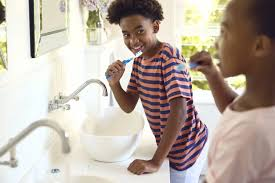
Teenagers often see brushing and flossing as chores, not choices that protect their health. You may feel tired of reminders, eye rolls, and rushed brushing before school. Yet this stage shapes their mouth for life. Poor care now can lead to pain, infections, and even early tooth loss. That can mean fillings, extractions, or tooth replacement in Surprise, AZ when they are still young. This is not about a perfect smile. It is about helping your teen avoid preventable damage and shame. You can guide them with simple steps that respect their growing independence. You can set clear expectations without constant fights. You can turn daily care into a habit that feels normal instead of a battle. The following three tips will help you support your teen, protect their health, and lower the chance of urgent dental visits.
Why teen oral care matters more than you think
Teen years bring more sugar, sports drinks, and late nights. They also bring braces, wisdom teeth, and less supervision. That mix raises the risk of cavities and gum problems. The Centers for Disease Control and Prevention reports that about half of teens aged 12 to 19 have had at least one cavity in their permanent teeth.
Teens often feel shame or anger when teeth hurt or look damaged. They may hide their smile. They may avoid photos or social events. That emotional weight can last. Strong habits now protect their health, confidence, and future costs.
The three tips below focus on what you can control. Your words. Your home routine. Your limits on sugar. Each tip is simple. Together they create structure, choice, and respect.
Tip 1. Make a clear, short routine that fits their life
Teenagers respond better to clear routines than to scattered reminders. You can set a simple plan that matches their schedule.
- Agree on two brushing times each day. Morning and night.
- Set a clear brushing time goal. Two minutes each time.
- Add flossing at least once each day. Night works best for most teens.
You can use a timer on a phone or a simple sand timer. You can also suggest a song that lasts about two minutes. The goal is not perfection. The goal is a steady rhythm that becomes automatic.
Many teens like electric toothbrushes. These often have built in timers. That feature can remove arguments about how long they brush.
You can also talk about what a routine prevents. Cavities. Gum bleeding. Bad breath. Pain during sports or tests. When teens see the link, the routine feels less random and more like self respect.
Tip 2. Use honest facts and real choices, not fear
Scare tactics create distance. Teens shut down when they feel attacked. You can still speak with blunt honesty. You only need to pair facts with real choices.
You might say:
- “If you skip brushing, plaque stays on your teeth. That can cause holes and infections.”
- “If a tooth gets too damaged, the dentist may need to treat the nerve or remove the tooth. That can be painful and costly.”
- “You cannot control every health problem. You can control brushing and flossing.”
Then you offer choices:
- “Do you want to brush before homework or right before bed.”
- “Do you want mint toothpaste or a different flavor.”
- “Do you want to use floss picks or string floss.”
Choice gives teens a sense of control. That control lowers resistance. You stay firm on the goal. You stay flexible on the path.
The American Dental Association explains that teens should brush twice a day with fluoride toothpaste and clean between teeth daily. Sharing this source can show your teen that the rules come from science, not just from you.
read more : https://spiritmeans.com/
Tip 3. Cut hidden sugar and support healthy choices
Brushing and flossing work best when sugar intake is under control. Many drinks and snacks seem harmless. They often contain sugar that coats teeth for hours.
You can start by looking at what your teen eats and drinks during a normal day. Sports drinks, energy drinks, flavored coffee, and sticky snacks all matter. Then you can make a few focused changes instead of trying to change everything at once.
Common teen drink choices and cavity risk
| Drink | Typical sugar content | Effect on teeth | Better choice |
|---|---|---|---|
| Regular soda | About 10 teaspoons per can | High cavity risk, acid wears enamel | Water, seltzer, or unsweetened tea |
| Sports drink | About 5 teaspoons per bottle | Sugar and acid stay on teeth during the day | Water during and after sports |
| Energy drink | Often more than soda | Very high cavity risk, strong acid | Water and enough sleep for energy |
| Flavored coffee drink | Varies, often as high as soda | Sugar sipped over time coats teeth | Plain coffee with little or no sugar |
You do not need to ban all treats. You can set three simple rules.
- Keep sugary drinks out of daily use. Save them for rare treats.
- Have sweets with meals, not as slow snacks through the day.
- Rinse with water after sweet drinks or snacks.
These changes lower the strain on teeth. They also support better mood and energy.
How to stay consistent without constant conflict
Consistency protects your teen more than any single product. You can keep conflict low with three steps.
- Use calm check ins instead of nagging. Ask “Have you brushed yet” one time. Then wait.
- Link oral care to house rules. For example, no phone in bed until teeth are brushed.
- Notice effort. A short “I see you are sticking with this” can matter.
Regular dental checkups support your work at home. During visits, encourage your teen to ask questions. Let them speak for themself. That respect can raise their sense of ownership.
Helping your teen protect their future smile
Teen years are tough. You face schedules, moods, and risks that feel heavy. You cannot control every choice your teen makes. You can still shape a home where brushing and flossing are as normal as wearing a seat belt.
Clear routines, honest facts, and fewer sugary drinks form a strong shield. These steps lower the chance of cavities, pain, and early tooth loss. They also lower the chance that your teen will face complex treatment or tooth replacement while still young.
You are not trying to win a daily argument. You are helping your teen guard their health and dignity. That quiet work has lasting power.