
4 Benefits Of 24/7 Veterinary Hospital Access
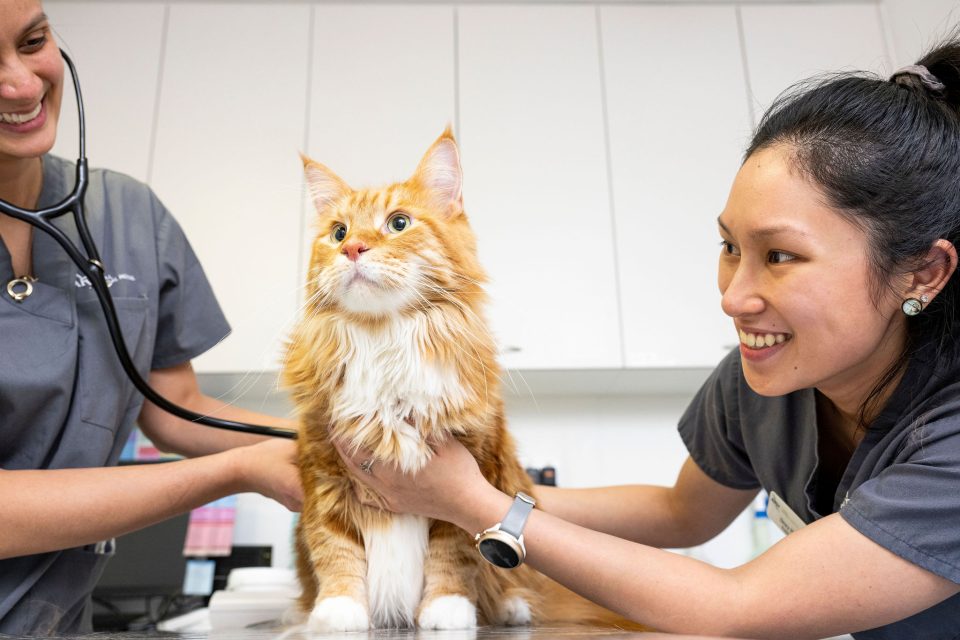
You never plan for a midnight pet emergency. Yet it happens. A sudden limp. A seizure. A swollen face after a bee sting. In those moments, you do not want guesswork. You need a door that is always open and a team that is always ready. That is where 24/7 veterinary hospital access changes everything. It gives you one clear place to go when your pet cries, hides, or stops eating. It also supports routine needs, from urgent lab tests to Whitinsville pet dental services, without long delays. You get quick answers. You get clear next steps. You also gain calm, because you know help is there every hour, every day. This blog explains four concrete benefits of round the clock access so you can protect your pet with less fear and less doubt.
1. Faster care during sudden emergencies
When your pet collapses or struggles to breathe, every minute matters. You do not want to search for an open clinic or wait for office hours. You need care right away.
With 24/7 hospital access, you can walk in or call at any time. Staff can guide you on what to do before you arrive. That can limit damage from shock, blood loss, heat stroke, toxin exposure, or breathing trouble.
The American Veterinary Medical Association lists common emergencies such as being hit by a car, seizures, or ingestion of toxic foods like xylitol and chocolate.
With 24/7 access, you get three clear gains.
- Shorter delay between symptom and treatment
- Less risk of permanent organ damage
- Better chance of survival after trauma or poisoning
2. Ongoing monitoring for serious conditions
Some pets need close watch. Heart disease. Kidney failure. Complicated surgery recovery. At home, you might miss small changes. In a 24/7 hospital, trained staff can watch every hour.
Continuous monitoring offers three key supports.
- Regular checks of heart rate, breathing, and temperature
- Quick response if pain rises or breathing worsens
- Timely changes to fluids, oxygen, or medicines
The University of California Davis School of Veterinary Medicine explains that critical care units use constant observation with equipment that tracks vital signs and organ function.
This level of watch can mean the difference between a setback and a steady recovery. It also gives you permission to rest. You can leave your pet knowing someone is awake and alert all night.
3. Quicker test results and treatment decisions
Waiting for lab results is stressful. You want to know if your pet has an infection, an organ problem, or a toxin in the blood. In a 24/7 veterinary hospital, lab work and imaging can happen at any hour.
That means your pet does not sit in limbo. Staff can run bloodwork, urine tests, and X-rays without sending samples away or waiting for the next business day. Then treatment can start sooner.
The table below shows how around-the-clock access can change timing for common services.
Typical timing with daytime clinic access compared with 24/7 hospital access
| Service | Daytime clinic only | 24/7 hospital access |
|---|---|---|
| Basic bloodwork | Next day or longer | Same night within hours |
| Emergency X ray or ultrasound | Next business day | Any time including overnight |
| Pain control plan changes | During office hours | Adjusted as needed through the night |
| Surgery for urgent cases | Possible wait until morning | Started as soon as safe |
Faster information leads to three outcomes.
- Earlier start of antibiotics or other medicines
- Lower chance that a treatable problem becomes severe
- Clearer answers for you and your family
4. Less stress and more support for your family
Pet emergencies can shake a whole household. Children may feel fear or guilt. Adults may feel pressure to choose fast without enough facts.
With 24/7 access, you have a stable routine even in crisis.
- You know exactly where to go
- You can call any time and talk with trained staff
- You receive clear instructions for home care after visits
This steady support can protect your mental health. You are not alone with a suffering pet in the dark. You have a team that understands common emergencies and long-term conditions.
Federal and university resources also help families prepare. You can create a written pet emergency plan, keep records in one folder, and store the carrier, leash, and medications in one visible place. These small steps, paired with 24/7 hospital access, give your family more control and less fear.
How to prepare before you need 24/7 care
You can act now, before a crisis.
- Find the nearest 24/7 veterinary hospital and save the address
- Store the phone number in your mobile phone and on your fridge
- Ask about payment options and any membership or triage rules
- Keep a simple list of your pet’s medicines and past diagnoses
Then share this information with every adult in your home. Also, share it with older children who may be alone with the pet. Clear steps reduce panic and delay.
Key takeaway for your pet’s safety
Emergency care, constant monitoring, faster tests, and calm guidance all come from one choice. You choose a veterinary hospital that never closes. That choice can soften some of the hardest moments you may face with your pet. It gives you time, options, and a trusted place to turn when every second feels heavy.