
4 Signs You Might Be A Candidate For Implant Dentistry
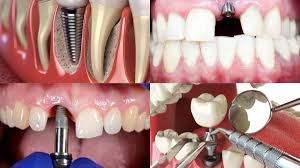
Missing teeth change how you eat, speak, and smile. They also wear down your confidence. You might tell yourself to “just live with it,” but daily pain and worry are not normal. Implant dentistry offers a steady way to replace missing or failing teeth. It can help you chew again and feel less afraid to smile. Yet implants are not right for everyone. You need clear signs before you take that step. This blog will walk you through four signs that you might be a good match for this treatment. It will also help you ask sharper questions during your next visit. A Lodi dentist can review your health, your mouth, and your goals. Then you can decide together if implants fit your life. You deserve straight answers and a plan that respects your body and your limits.
Sign 1: You Have One Or More Missing Teeth
The first sign is simple. You have one or more missing teeth that bother you. You may hide your smile in photos. You may avoid some foods. You may feel your bite has changed.
Dental implants replace the root of a missing tooth. A dentist places a small post in your jaw. Later a crown, bridge, or denture attaches to that post. You get a tooth that stays in place when you talk or chew.
The American Dental Association explains that implants can help keep nearby teeth in place and support bone where teeth are missing.
You may be a candidate if:
- You have one missing tooth and want a fixed tooth instead of a gap.
- You have several missing teeth and struggle with a bridge or partial denture.
- You feel your current denture slips or rubs and you want more stability.
You do not need a full mouth of missing teeth to consider implants. Even one missing tooth that bothers you is enough reason to ask.
Sign 2: Your Dentures Or Bridge Do Not Work For You
The second sign shows up in daily life. Your current denture or bridge does not feel right. You may notice:
- Sore spots on your gums.
- Food trapped under a denture or bridge.
- Fear that your teeth might slip when you laugh or talk.
Conventional dentures rest on your gums. Bridges anchor to nearby teeth. Both can help, yet both can lose fit over time. Your jawbone can change shape after tooth loss. That change can lead to wobble, pain, and more repair visits.
Implant supported teeth connect to posts in your jaw. They do not rely only on your gums or other teeth. That support can ease pain and give you more biting strength.
Comparison of Common Tooth Replacement Options
| Feature | Traditional Denture | Fixed Bridge | Dental Implant |
|---|---|---|---|
| Removable by you | Yes | No | No |
| Support type | Gums | Nearby teeth | Jawbone |
| Affects nearby teeth | No | Often needs reshaping of teeth | No reshaping of healthy teeth |
| Helps limit bone loss under missing tooth | No | No | Yes |
| Typical stability while chewing | Lower | Medium | Higher |
If you feel tired of paste, sore gums, or broken clasps, that is a clear sign to ask if implants could hold a new denture or bridge in place.
Sign 3: Your Jaw And Gums Are Healthy Enough For Surgery
The third sign is about your health. Implants need a strong base. You need jawbone and gums that can heal.
A dentist will review:
- Your medical history and medicines.
- Any use of tobacco or nicotine.
- Control of blood sugar if you have diabetes.
- Your history of gum disease or bone loss.
The National Institute of Dental and Craniofacial Research notes that untreated gum disease and smoking can raise the risk of tooth loss and healing problems.
You might still be a candidate even if you have some bone loss. A dentist may suggest bone grafting to build support for an implant. You may also need treatment for gum infection first. That careful work protects your health and lowers the chance of implant failure.
You may be a candidate if:
- Your chronic health issues are under control with your doctor.
- You keep up with cleanings and daily brushing and flossing.
- You feel ready to quit smoking or cut back with support.
Sign 4: You Want A Long Term, Low Maintenance Option
The fourth sign is about your goals. You want a long term solution that blends into daily life. You may feel tired of repairs, refits, and worry about your teeth.
Implants usually cost more at the start than dentures or bridges. Yet they often need fewer replacements over many years. They also do not decay. You still need to clean around them and see your dentist, but you do not treat them as a special device. You treat them like teeth.
You may be a candidate if you:
- Plan to stay on top of daily brushing and flossing.
- Can commit to follow up visits during healing.
- Value comfort and function more than the lowest short term cost.
Implants do not fit every budget. Yet for many people they bring peace of mind. They eat with less fear. They speak without worry. They stop planning every day around what their teeth might do.
How To Take Your Next Step
If one or more of these signs sound like your life, you can take three clear steps.
- Write down what bothers you most about your teeth or dentures today.
- Gather a list of your medicines and health issues.
- Schedule a talk with a dentist who has experience with implants.
During that visit, ask:
- Am I a safe candidate for implant surgery.
- What tests or scans do I need.
- What are my other choices if implants are not right for me.
You do not need to decide on the spot. You deserve time to think, talk with family, and review costs. You also deserve clear words, not pressure.
Missing teeth already take enough from you. With careful planning and honest talks, you can find out if implants are a fit. You can then choose a path that respects your health, your limits, and your courage to seek change.
Creating a Sanctuary: Integrating Holistic Design in Luxury Homes