
5 Reasons Regular Dental Cleanings Help Pets Live Longer
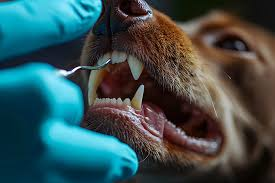
Your pet depends on you for everything, including a healthy mouth. You might notice bad breath or yellow teeth and think it is only a small issue. It is not. Quiet tooth disease can cause pain, infection, and organ damage that shorten your pet’s life. Regular dental cleanings protect more than a smile. They protect the heart, kidneys, liver, and immune system. A Fair Oaks veterinarian can spot problems early, clean below the gumline, and remove hidden infection before it spreads. You also gain clear guidance about brushing, diet, and safe chews that keep teeth strong between visits. This blog explains five clear reasons regular dental cleanings help pets live longer. You will see how small steps once or twice a year can prevent suffering, reduce costs, and give your pet more comfortable years by your side.
1. Dental cleanings stop silent mouth pain
Pets hide pain. You often do not see a limp or a cry. Mouth pain shows up as slow eating, dropping food, or avoiding toys. Plaque hardens into tartar. Gums pull back. Roots ache. Infection builds in pockets you cannot see.
During a dental cleaning, your veterinarian
- Removes tartar above the gums
- Cleans below the gumline where bacteria live
- Checks each tooth with x rays and an exam
As a result, your pet chews without pain. Your pet keeps weight on. Your pet stays active. A pain free pet moves more and lives longer.
2. Clean teeth protect the heart and organs
Mouth bacteria do not stay in the mouth. Each time your pet chews, bacteria can enter the blood. Over time, this can damage the heart, kidneys, and liver.
The American Veterinary Medical Association explains that untreated dental disease is linked to heart and kidney problems in pets. You see only brown teeth. Inside, organs work harder every day.
Regular cleanings reduce the number of harmful bacteria. Gums stop bleeding. Infection clears. This lowers strain on the heart and other organs. A strong heart and strong kidneys give your pet more years.
3. Early cleanings save teeth and prevent surgery
Once a tooth is loose or broken, your pet often needs surgery. Extractions cost more money. Recovery takes more time. Your pet also loses chewing power.
Routine dental cleanings catch damage early. Your veterinarian can
- Seal small chips
- Treat early gum disease
- Plan extra care for at risk teeth
This early action helps your pet keep healthy teeth for more years. It also reduces the need for long surgeries and heavy medicine later in life.
4. Better dental health lowers long term costs
Many pet owners fear the cost of dental care. It can feel easier to wait. That choice often leads to higher bills.
The pattern is simple. Small plaque becomes tartar. Tartar becomes gum disease. Gum disease becomes bone loss and abscesses. Each step raises the cost and the risk.
The chart below shows a simple comparison between regular cleanings and waiting for a crisis.
| Care choice | Typical timing | Common procedures | Risk level | Long term cost trend |
|---|---|---|---|---|
| Regular dental cleanings | Every 6 to 12 months | Cleaning, x rays, minor treatment | Lower | More steady and predictable |
| Wait for problems | Every few years or only in crisis | Extractions, infection care, hospital stay | Higher | Sharp spikes and higher total cost |
Regular cleanings spread costs over time. They cut the chance of emergency visits that drain savings and cause fear.
5. Clean teeth support better food and behavior
Mouth pain changes how your pet eats and acts. Many pets with sore teeth
- Refuse dry food
- Drop weight
- Guard their face or snap when touched
Once teeth are clean and gums heal, pets often return to their normal food. They chew more fully. They absorb more nutrients. Better nutrition supports the immune system and muscles. Strong bodies handle aging better.
Behavior can change as well. A pet that no longer hurts when eating or playing often shows more patience and calm. This reduces stress for the whole home. Less stress supports a longer life for your pet and more peace for you.
How often should your pet get a dental cleaning
Most dogs and cats need a dental check each year. Some need cleanings every 6 months. Small breed dogs and older cats often build plaque faster.
The Centers for Disease Control and Prevention also reminds owners that good pet dental care protects people. Pets with less mouth infection are less likely to spread germs at home.
You should talk with your veterinarian about your pet’s age, breed, and health. Together you can set a cleaning schedule that protects both quality and length of life.
Simple steps you can start today
Dental cleanings work best when you support them at home. You can
- Brush your pet’s teeth once a day or a few times a week
- Use veterinarian approved dental chews and rinses
- Check the mouth each week for smell, redness, or loose teeth
If you see blood, swelling, or a sudden change in eating, you should call your veterinarian soon. Early care keeps small problems small.
Regular dental cleanings are not a luxury. They are a basic part of care that protects the body, eases pain, and gives your pet more safe years. When you choose to clean your pet’s teeth on a steady schedule, you choose a longer and more comfortable life for your closest companion.
6 Industries That Benefit Most From Advanced Inspection Gear