
High-Asset Divorce Explained: What You Need to Know
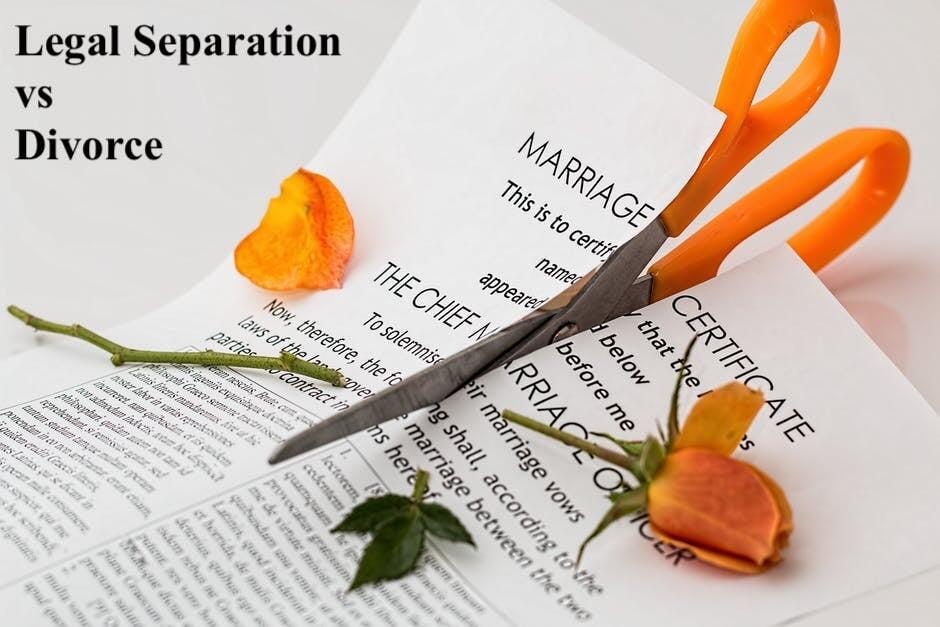
Divorce can be hard for families. It can affect emotions, daily life, and money. Some divorce cases become more difficult when couples own a lot of property, savings, or businesses, and these are called high-asset divorces.
These cases often need more planning because there is more money and property involved. Homes, businesses, and investments may all need to be divided fairly. Learning about this process can help people prepare for what may happen next.
Read more to learn how high-asset divorce works and why careful planning matters.
What Is a High-Asset Divorce?
A high-asset divorce happens when a couple owns a large amount of money or valuable property. This can include homes, businesses, savings, investments, or expensive items.
These cases are often more complex because both sides must carefully review money and property records. Sometimes, experts are needed to help study the value of assets.
A high-net-worth divorce may also involve lawyers, accountants, and financial experts who help divide property fairly. The goal is to create a fair result while following the law.
Dividing Property and Money
One major part of a high-asset divorce is dividing money and property. Courts may study what each person owned before marriage and what was gained during the marriage.
Homes, businesses, savings, and investments may all need to be valued before decisions are made. Some things can be harder to divide because their value changes over time.
Businesses may also need a special review to understand how much they are worth. Careful review of money and property can help avoid problems later.
Why Financial Records Matter
Financial papers are very important during these divorce cases. Tax records, bank papers, and property documents may all need to be checked.
Good records help lawyers and experts understand the couple’s financial situation. Missing papers can cause delays and disagreements.
Some couples may also have agreements signed before or during marriage. These papers may affect how property is divided. Keeping organized records can help make the process smoother and less stressful.
Child and Spousal Support
Some high-asset divorce cases also involve child support and spousal support. Courts often study income, lifestyle, and family needs before making decisions. Children may be used to a certain lifestyle during the marriage.
Courts may think about this when deciding support. Spousal support may depend on how long the marriage lasted and how much each person earned or contributed. Because large amounts of money may be involved, these decisions can become more detailed.
Why Professional Legal Help Matters
High-asset divorce cases can become very complex. Lawyers who understand these cases can help explain legal steps and protect important financial interests.
Professional legal help may also make it easier to handle property division, business ownership, and support agreements. Good guidance can help reduce mistakes and lower stress during the divorce process. Many people feel more confident when they have experienced legal support while making important decisions about their future.
Careful Planning Can Help the Future
High-asset divorce cases can feel stressful, especially when money and family matters are involved. Careful planning and legal help can make the process easier to understand.
Learning about money, property, and legal rights may help people make better decisions during divorce. Skilled professionals may also help protect future financial stability. While divorce is never easy, good planning and support can help people move forward with more confidence and peace of mind.