
Brown Snot Meaning and When to Worry
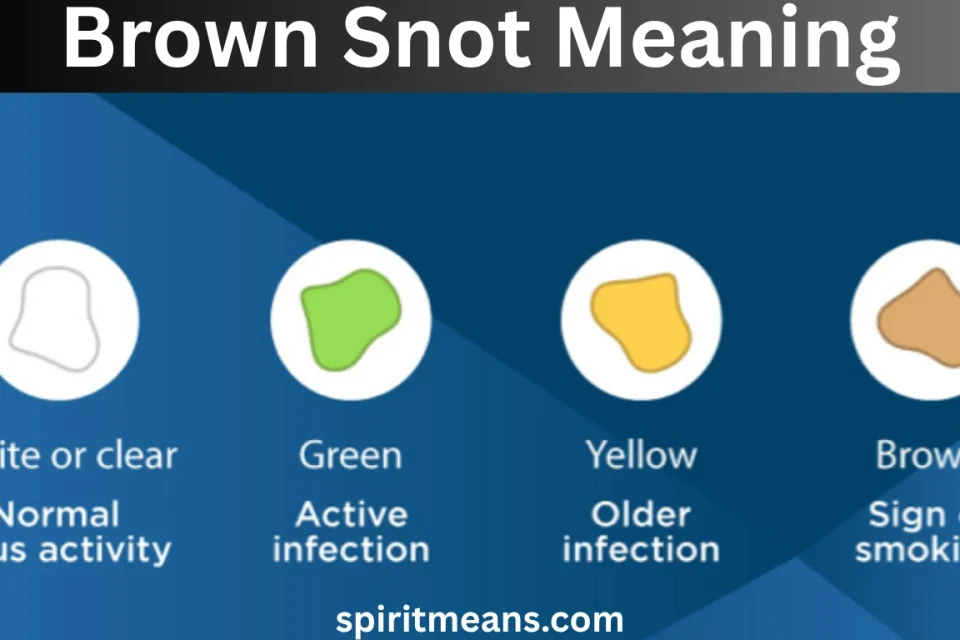
If you’ve ever looked into a tissue after blowing your nose and noticed a brownish color, you might have wondered what it means. This may seem alarming, but it’s often not serious. The brown snot meaning can vary depending on your environment, habits, or health condition. Understanding it helps you decide whether you need medical attention or just a humidifier.
What Causes Brown Snot?
Brown snot is usually a sign that something has irritated the inside of your nose. This irritation can cause small blood vessels to burst, which mixes blood with mucus and creates that brownish tint. It might also be due to particles like dust or dirt being trapped in the mucus.
Dry weather, pollution, or nosebleeds can all contribute. In some cases, it’s caused by more serious issues like a sinus infection or smoke inhalation. The best way to understand the brown snot meaning is to look at your symptoms and recent activities.
Role of Mucus in Your Body
Mucus plays a key role in keeping your body safe from germs and dust. It’s made mostly of water and proteins. It traps bacteria, dirt, and other particles so your lungs stay clean. Normally, mucus is clear. But when your body is fighting an infection or reacting to a dry environment, the color changes.
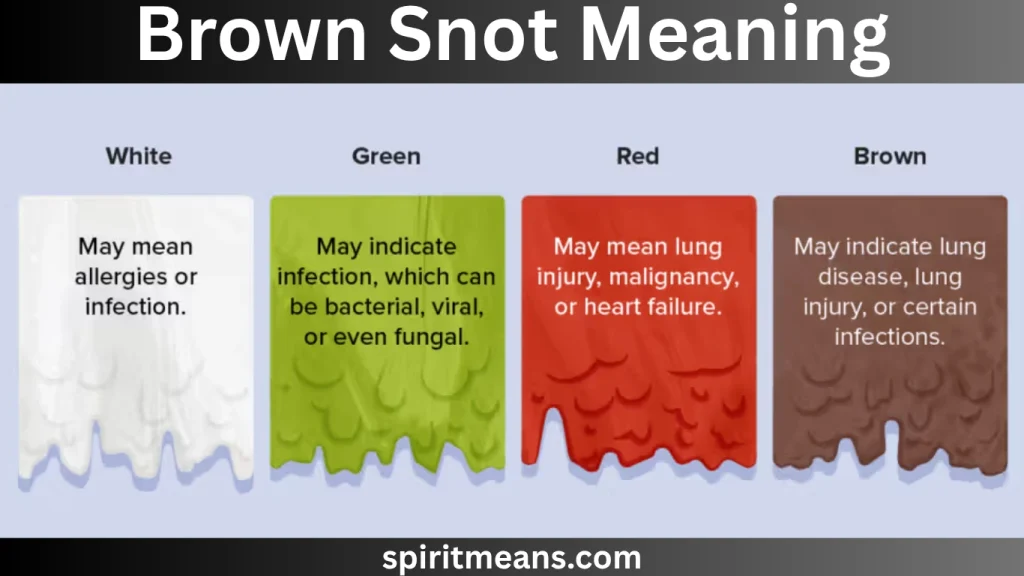
Color changes often indicate different stages of illness or irritation. Understanding what each color means helps you stay on top of your health.
Common Reasons Behind Brown Mucus
There are several explanations for brown mucus. While many are harmless, some require a doctor’s help. The most common reason is dried blood mixing with clear or yellow mucus. Nosebleeds from dry air or harsh blowing often lead to this. Dust and pollution also play a big part in this color change.
Another reason is old mucus. When mucus sits in your sinuses too long, it gets thick and dark. That makes the brown snot meaning less about a current illness and more about your body’s past attempts to heal. People with sinus infections or post-nasal drip may notice brown mucus for this reason.
Smoking tobacco or vaping can also darken mucus. The chemicals stain the tissue and mucus, making it look brown or gray. Those exposed to wildfire smoke or workplace dust often have similar results.
When Brown Snot Might Mean Something Serious?
In most cases, brown mucus goes away on its own. However, if you see it daily or it smells bad, something more serious could be going on. An infection or foreign object might be trapped inside your nose, especially if the brown color is coming from one nostril.
Other symptoms to watch for include:
- Bad breath that doesn’t go away
- Facial pain or pressure
- A bad smell when blowing your nose
- Fever or feeling weak for many days
If these show up with brown mucus, see a doctor. It could be a sign of a sinus infection or something stuck in your nose, especially in children.
Comparison Table of Snot Colors and Their Meanings
| Color | Possible Cause | What to Do |
| Clear | Normal or allergies | Stay hydrated, no treatment needed |
| White | Mild cold or congestion | Use saline spray, rest |
| Yellow | Viral infection | Monitor symptoms, drink fluids |
| Green | Stronger infection | See doctor if it lasts more than 10 days |
| Brown | Dried blood, dust, smoke | Humidify room, treat irritation |
| Red | Active nosebleed | Stop nose picking, use moisture spray |
| Black | Smoke exposure, fungal infection | Get medical help right away |
This table helps explain what different mucus colors may mean. Brown snot meaning is often linked with dried blood or inhaled particles rather than infection.
Environmental Triggers for Brown Snot
Your surroundings play a big role in how your mucus looks. Dry climates or heated indoor air dry out your nose. This leads to tiny cracks and nosebleeds. That blood mixes with your mucus and makes it brown. If you work in construction, agriculture, or other dusty environments, you might see brown snot more often.
Poor air quality can also contribute. Smoke from cigarettes, wildfires, or factories contains small particles. These settle in your nose and darken the mucus.
Connection Between Brown Mucus and Habits
Your habits affect your mucus color. People who smoke or vape may have darker mucus daily. Chemicals in the smoke irritate the nasal passages. This causes inflammation, dryness, and sometimes bleeding. That’s why brown mucus is more common in smokers.
If you blow your nose too hard or pick at it, you could cause small nosebleeds. These don’t always drip out of your nostrils. Instead, they mix with mucus and turn it brown. Gentle care is better for your nose and helps avoid these issues.
Treating Brown Snot at Home
If your mucus is brown but you feel fine, home treatment is usually enough. Focus on keeping your nose moist and clean. Use a humidifier to add moisture to the air. Saline nasal sprays help wash away irritants. Drink plenty of water so your body produces thinner mucus that’s easier to drain.
Also, avoid smoking and stay indoors on days with bad air quality. If you’re in a dusty area, wear a mask to protect your nasal passages.
When to Seek Medical Advice?
Most cases of brown mucus are not dangerous. But sometimes, it points to a larger problem. If it lasts more than 10 days or you feel pressure in your face or sinuses, it’s time to visit a doctor. Children with brown mucus from one nostril may have something stuck in their nose.
Doctors can examine your nasal passages, order scans, or recommend antibiotics if needed. They may also suggest allergy testing if irritants are causing the issue.
Preventing Brown Mucus in the Future
There are ways to lower your chances of having brown mucus. Keeping your environment clean and moist helps a lot. If you live in a dry place, use a humidifier during sleep. Avoid harsh chemicals and smoke whenever possible. Clean your home often to reduce dust buildup.
Also, treat allergies properly. When nasal passages get inflamed, they become more prone to bleeding. Taking care of your nose with gentle blowing and hydration helps prevent dried blood from forming.
Frequently Asked Questions
What does brown snot mean?
It usually means old blood, pollution, or dust mixed into the mucus. It’s common and usually not serious.
Is brown snot a sign of infection?
Not always. If it comes with pain, fever, or a foul smell, then it may be an infection. Otherwise, it’s likely from dried blood or dust.
Can smoking cause brown snot?
Yes, smoking irritates and stains the nasal passages. It often leads to brown or grayish mucus.
Should I worry about brown snot from one nostril?
If it happens often and smells bad, it could mean something is stuck or infected. A doctor should check it out.
How can I treat brown snot at home?
Use a humidifier, drink more water, and use saline spray. Avoid blowing your nose too hard and stay away from smoke.
Conclusion
Brown mucus can look scary, but it often has a simple cause. Dried blood from dry air or strong nose blowing is a top reason. Dust, smoke, and other particles can also change the color of your mucus. Most of the time, the brown snot meaning is not serious and goes away with care.
However, if it comes with other symptoms or keeps coming back, it’s smart to check with a doctor. Keeping your nose clean, moist, and protected from smoke or dust can make a big difference. With proper care, your body clears itself out and stays healthy.
Also, Read Strides Meaning: From Steps to Success