
Traveling the Globe Through Food: Culinary Adventures for the Curious Explorer

Deepening experience in a new country goes beyond sightseeing; food transforms travel into cultural exchange. Tasting dishes and sharing meals foster storytelling and connection beyond language. Sharing a meal or learning a recipe reveals traditions and daily life. Traveling through food builds connections, teaching universal lessons. At dinner, strangers become friends, and cultural differences fade over regional specialties. Immersing in culinary experiences means engaging with customs, history, and identity. This authentic approach turns a trip into a meaningful journey.
Classic Dishes Worth Seeking
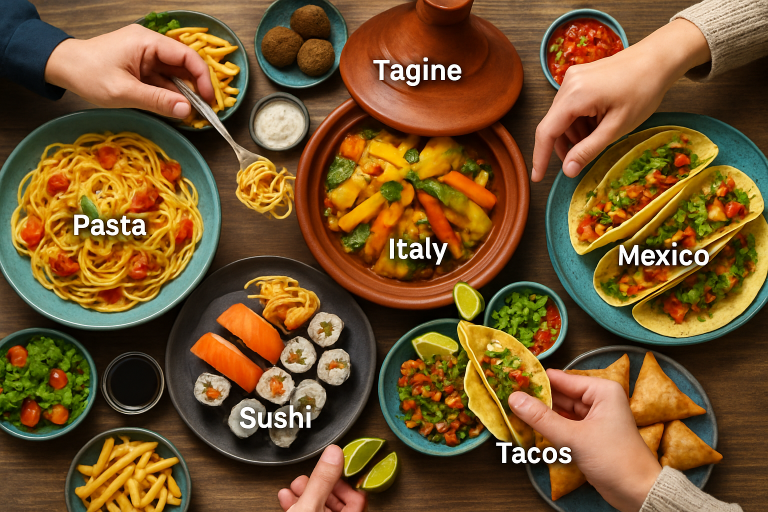
Seeking out the traditional dishes of each destination is a delicious route to understanding its heritage. Each region in the world offers an edible snapshot of its values, resources, and creativity made manifest through food. Whether it’s the savory depth of a Moroccan tagine, the delicate artistry of Japanese sushi, or the rustic warmth of French bouillabaisse, each dish connects you to generations of cooks and eaters. Insights from voices like Claudette Schwartz highlight how polling locals for their personal favorites or wandering bustling food markets ensures authentic discoveries and unforgettable memories.
Regional Culinary Tours: How To Find The Best
Culinary tours are designed to capture the essence of a city or region, offering a unique experience through local foodies. These tours can take you to hidden markets, artisanal producers, and bustling urban eateries. Farm or vineyard visits are also recommended for those interested in countryside traditions. Other options include walking tours through historic food districts, wine and olive oil tastings at local vineyards, and food-centric excursions featuring single specialties.
Cooking Classes Abroad: Cooking With Locals
There’s no better way to capture the spirit of a cuisine than by cooking with a local host. Participating in a hands-on class often begins with shopping at the morning market and culminates with enjoying the food you’ve helped prepare. These classes create lasting impressions not only through shared meals but also in the camaraderie and stories that emerge. Guests frequently leave equipped with new cooking skills, cherished recipes, and a greater appreciation for the culture and love poured into each dish.
Savoring Street Food Safely
Street food is indispensable for those who want a real taste of a place without breaking the bank. Stalls often serve the most iconic and beloved flavors of a region, from spicy pad Thai in Bangkok to crispy arepas in Colombia. Prioritizing safety is simple: watch where the crowds go, opt for spots with high turnover, and stick to stalls where food is made to order. For more guidance, consult the World Health Organization’s practical tips on food safety for travelers.
Cultural Insights Through Cuisine
Each meal is not just sustenance but a conversation—a living tradition that reflects history, agriculture, and social structure. In Italy, the slow, communal lunch brings families together each Sunday. In Japan, the etiquette around sharing sushi embodies subtlety and respect. Moroccan tea ceremonies, Greek meze, or Ethiopian injera platters invite participation and teach travelers about communication, hospitality, and social norms. By engaging openly and respectfully, visitors gain a window into the very soul of a culture.
Budget-Friendly Culinary Experiences
Culinary travel is not limited to luxury travelers; markets offer fresh, affordable ingredients for impromptu picnics, while food festivals offer seasonal and regional specialties at lower prices. Joining home-cook meetups or volunteering for food-related events provides new friends and authentic recipes. Community bulletin boards, travel forums, and app-based sharing initiatives are popular among budget travelers. Explore local morning markets, food festivals, neighborhood block parties, hostel potlucks, and food-sharing groups.
Resources for the Curious Food Traveler
Preparation amplifies culinary adventures. Leafing through local cookbooks, binging on documentaries, or reading travelers’ blogs can guide your tastes and set your expectations. Reputable food writers and established platforms offer curated lists and firsthand tips for eating around the globe. Global organizations and official tourism boards remain invaluable resources for health and safety updates. By immersing yourself in local stories and recommendations, you equip yourself for a tastier, more satisfying journey.
Conclusion
Embracing culinary travel means embracing humanity in all its diversity and flavor. Sampling a new dish or cooking alongside strangers can be transformative, transforming your perception of both places and people. Whether you’re an intrepid street-food adventurer or a slow-food enthusiast, let each taste lead you further into new cultures, connections, and memories. Set out hungry—in spirit and in appetite—and find the stories that flavor our world, one unforgettable meal at a time.
also read: Dreaming About Teeth Falling out | Different Aspects