
Choosing the Right Roofing Materials for Every Climate

Post Preview
Key Takeaways
- Understanding your local climate is essential for selecting the most suitable roofing material.
- Materials like slate and metal offer exceptional durability in extreme weather conditions.
- Innovative solutions such as green and cool roofs enhance energy efficiency and environmental sustainability.
Protecting your home begins at the top, and the material you choose for your roof can significantly influence comfort, durability, and energy efficiency. Different climates present unique challenges—from heavy snow loads in mountainous regions to intense sun in desert areas or frequent rain in lowlands. Making a well-informed roofing decision is essential, whether you’re dealing with snow, heat, or seasonal storms.
For homeowners in Colorado’s high-altitude and mountainous regions, both durability and expert installation are crucial. The Roofing CO serves as the online hub for The Roofing Company, a trusted, family-owned business with over 48 years of experience. According to The Roofing CO, their team is widely recognized across Colorado’s mountain communities for providing specialized roofing solutions tailored to withstand harsh winters, unpredictable weather patterns, and high-altitude conditions. Their combination of local expertise and premium materials ensures long-lasting protection and peace of mind for homeowners throughout the state.
From selecting resilient materials to precise installation, choosing a company with deep local knowledge can make all the difference in safeguarding your home. By partnering with experienced professionals like The Roofing Company, Colorado residents gain access to customized roofing strategies tailored to the state’s unique climate challenges.
Understanding Climate and Roofing Needs
Every climate comes with its own set of roofing demands. Before selecting a material, it’s crucial to evaluate environmental factors, including average temperatures, humidity, wind speeds, and the likelihood of extreme weather events. Not only does the right choice improve your home’s longevity, but it also enhances comfort and reduces ongoing maintenance costs.
Careful selection ensures your roof will stand up to local weather conditions, from the insulation required in freezing winters to the UV protection needed in sun-soaked areas.
Best Roofing Materials for Cold and Snowy Climates
Slate Roofing
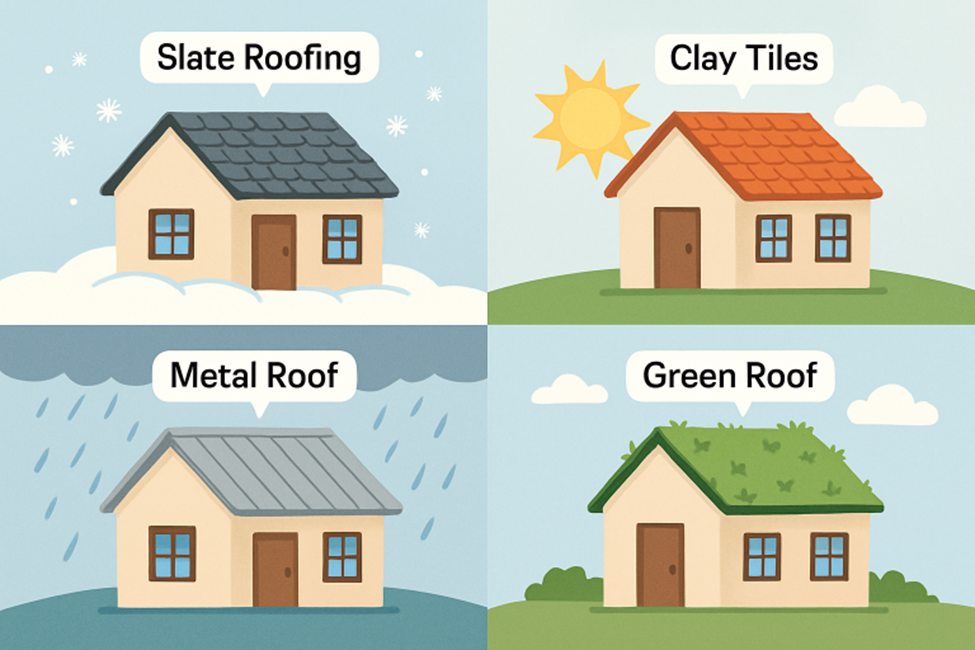
Slate is a natural stone product, well-regarded for its classic appearance and remarkable durability. Especially suitable for areas with heavy snowfall and repeated freeze-thaw cycles, slate resists frost damage and supports substantial snow loads. Due to its weight, however, homes must have a reinforced support system to accommodate it.
Metal Roofing
Metal roofs excel in frigid climates. Their smooth surfaces shed snow effectively, minimizing the risk of ice dams that can cause costly damage. According to U.S. News, metal also withstands temperature swings and, with proper care, can last a century while remaining virtually maintenance-free. For homeowners seeking both resilience and minimal upkeep, metal roofing offers an excellent return on investment.
Optimal Choices for Hot and Arid Regions
Clay and Concrete Tiles
Scorching sun and high temperatures call for materials that naturally resist heat. Clay and concrete tiles absorb less solar energy and provide a robust barrier against UV rays, helping to keep interior spaces cooler in the summer. Their longevity in arid conditions and distinctive, Mediterranean aesthetic make them a top pick for desert regions.
Cool Roof Coatings
Cool roof technologies use reflective coatings to reduce heat transfer into the home. Modern coatings, including advanced materials such as ceramic-infused paints, help lower roof surface temperatures and energy bills. According to the US Department of Energy, these solutions can significantly improve energy efficiency. These materials are at the forefront of sustainable construction and can be applied over existing roofing to improve performance without a full replacement.
Solutions for Wet and Humid Environments
Metal Roofing
High humidity and seasonal storms require a material that won’t retain moisture or promote mold growth. Metal roofs, being nonporous, resist both rust (when properly treated) and biological growth, making them ideal for rain-prone locales. Their durability against wind and water can ensure peace of mind year-round.
Green Roofs
Green roofs, also known as living roofs, are gaining popularity for their environmental and performance benefits. They absorb rainwater, reduce runoff, and add a layer of natural insulation. In urban or humid regions, green roofs improve air quality and lower rooftop temperatures, acting as a sustainable buffer against moisture and heat.
Considerations for Storm-Prone Areas
Impact-Resistant Shingles
In hurricane or hail-prone regions, impact-resistant roofing is essential. Shingles reinforced with materials withstand the abuse of flying debris and large hail, helping prevent costly, extensive damage during violent storms.
High-Wind Resistant Systems
Regions on the receiving end of powerful winds, such as coastal or tornado zones, should rely on roofing systems engineered and tested for wind uplift. Enhanced fastening systems and reinforced materials provide vital protection, reducing the risk of emergency repairs or total roof loss after extreme weather events.
Environmental and Energy Efficiency Considerations
As homeowners grapple with rising energy costs and growing environmental awareness, the eco-friendliness and efficiency of roofing materials take center stage. Modern options like recycled composite shingles not only reduce landfill waste but also provide reliable weather resistance. Cool roof materials, recognized for reflecting more sunlight and absorbing less heat, further support lower cooling bills and urban temperature mitigation. Publications such as The New York Times note a shift toward these technologies for their tangible savings and environmental benefit.
Consulting with Experts
Roofing is a serious investment, and your choice directly affects your home’s lifespan and safety. Tapping into the expertise of local professionals—especially those with experience in your climate—ensures that you receive recommendations suited to your unique environment and building codes. The Roofing Company, with decades of service in Colorado’s challenging mountain weather, brings specialized knowledge and craftsmanship to every project, helping homeowners choose the best material for longevity and comfort in even the harshest conditions.
Conclusion
The right roofing material will determine how well your home weathers the elements, balances energy use, and maintains its value over time. By thoroughly considering your local climate, prioritizing environmentally friendly options, and consulting with trusted experts, you lay the foundation for a safer, more efficient, and enduring roof. Start your journey towards better protection and comfort with guidance from seasoned professionals and wise, climate-conscious choices.