
5 Ways General Veterinarians Keep Pets Healthy Year-Round
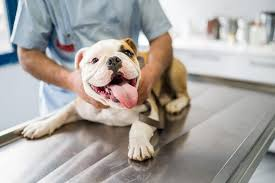
Your pet depends on you every single day, not only when something is wrong. A general veterinarian works quietly in the background of your life, guarding your pet’s health through every season. Routine visits catch small problems early, ease pain, and prevent sudden crises that shake your home. You see vaccines, nail trims, and weight checks. Your veterinarian sees warning signs, patterns, and risks that you cannot see alone. If you work with a veterinarian in London, ON or anywhere else, the goal stays the same. You deserve clear guidance. Your pet deserves steady care. This blog will walk through five specific ways general veterinarians protect your pet all year. You will see how simple steps like regular exams, parasite prevention, dental care, nutrition checks, and behavior support add up. You will also see what to ask for at each visit, so you never leave with doubts.
1. Regular Exams Catch Trouble Early
You might see a yearly visit as “just a checkup.” Your veterinarian treats it as a full health review. A routine exam often finds problems long before you notice signs at home.
During a general exam, your veterinarian usually:
- Checks eyes, ears, nose, mouth, skin, and coat
- Listens to heart and lungs
- Feels the belly for lumps or pain
- Checks joints and muscles for stiffness
- Reviews weight, diet, and daily habits
Early findings help you avoid sudden emergencies. A small heart change can guide testing. A new lump can be checked while it is still simple to remove. A small weight gain can be reversed before it strains joints.
You can prepare for each exam with three steps. First, write down questions. Next, note any changes in drinking, eating, or bathroom habits. Finally, bring photos of labels for food, treats, and supplements.
2. Vaccines and Parasite Control Guard Against Silent Threats
Many of the worst pet diseases spread quietly. Vaccines and parasite control form a shield that works in the background while you live your life.
Core vaccines protect against common and severe diseases. Non-core vaccines fit your pet’s risk based on lifestyle, travel, and local threats. Your veterinarian will explain which shots your pet needs and how often.
Parasite control targets:
- Fleas that trigger skin problems and spread tapeworms
- Ticks that spread Lyme disease and other infections
- Mosquitoes that carry heartworm
- Intestinal worms that harm both pets and people
Common Preventive Care Schedule for Adult Dogs and Cats
| Service | Typical Frequency | Why It Matters |
|---|---|---|
| Wellness exam | Once or twice per year | Finds problems early and updates care plans |
| Core vaccines | Every 1 to 3 years | Prevents severe infectious disease |
| Heartworm test | Once per year for dogs | Detects infection before damage grows |
| Flea and tick control | Monthly or as directed | Prevents bites, disease, and home infestation |
| Stool test for worms | Once or twice per year | Protects both pet and family from parasites |
3. Dental Care Protects the Whole Body
Mouth pain steals joy from your pet’s day. It also harms the rest of the body. Plaque and tartar let bacteria enter the bloodstream. That strain can reach the heart, liver, and kidneys.
Your veterinarian looks for:
- Bad breath
- Red or bleeding gums
- Loose or broken teeth
- Thick brown buildup on teeth
Professional cleanings under anesthesia give your pet a fresh start. Then, home care keeps that clean mouth as long as possible. You can use three simple tools. First, daily tooth brushing with pet-safe paste. Next, approved dental chews that your veterinarian supports. Finally, special diets or rinses when needed.
The American Veterinary Medical Association explains why dental care matters and what you can expect at a cleaning on its pet dental care page. You can use that to plan questions before your visit.
4. Nutrition and Weight Checks Steady Your Pet’s Future
Food shapes your pet’s health more than any single medicine. Weight checks at every visit give you an honest picture. A few extra pounds can strain joints, lungs, and the heart. Extra weight also raises the risk of diabetes in some pets.
Your veterinarian will:
- Score your pet’s body condition by feel and sight
- Compare current weight with past weights
- Ask about meals, treats, and table scraps
Together, you can set three clear goals. First, choose a food type and amount that match age and health. Next, fix a daily treat limit and share it with your family. Finally, plan simple movements like walks or play sessions that you can keep.
Weight control is not about blame. It is about adding healthy years. A small loss of weight can ease pain and improve sleep. You see a thinner pet. Your pet feels relief with every step.
5. Behavior and Routine Care Support Daily Peace
Behavior changes often signal health problems. A calm dog that snaps may hurt. A social cat that hides may feel sick. Your veterinarian watches behavior as closely as lab results.
You should mention if your pet:
- Starts growling, biting, or avoiding touch
- Stops using the litter box or has house accidents
- Shows new fear of sounds, people, or other animals
- Sleeps far more or far less than usual
Your veterinarian can rule out pain or illness, suggest training, or refer you to a behavior expert when needed. That support protects your family and your bond with your pet.
Routine care also includes nail trims, ear cleaning, and grooming. These tasks prevent injury and infection. They also give your veterinarian more chances to spot skin growths, ear problems, or other early warnings.
How You Can Use Your Veterinary Team All Year
You and your veterinarian share one goal. You both want your pet to stay safe, steady, and comfortable through every season. You bring daily observations. Your veterinarian brings medical training and experience.
You can use three habits to keep that partnership strong. First, keep a folder with vaccine dates, test results, and any medicines. Next, call early when you notice changes. Do not wait for a crisis. Finally, schedule regular wellness visits even when your pet looks fine.
Quiet, steady care rarely makes headlines. It prevents grief. It protects your home from shock and chaos. When you use your general veterinarian as a year-round partner, you give your pet the gift of time. You also give yourself fewer regrets.