
Architectural Breakthroughs: Maintenance‑Free Metal Applications
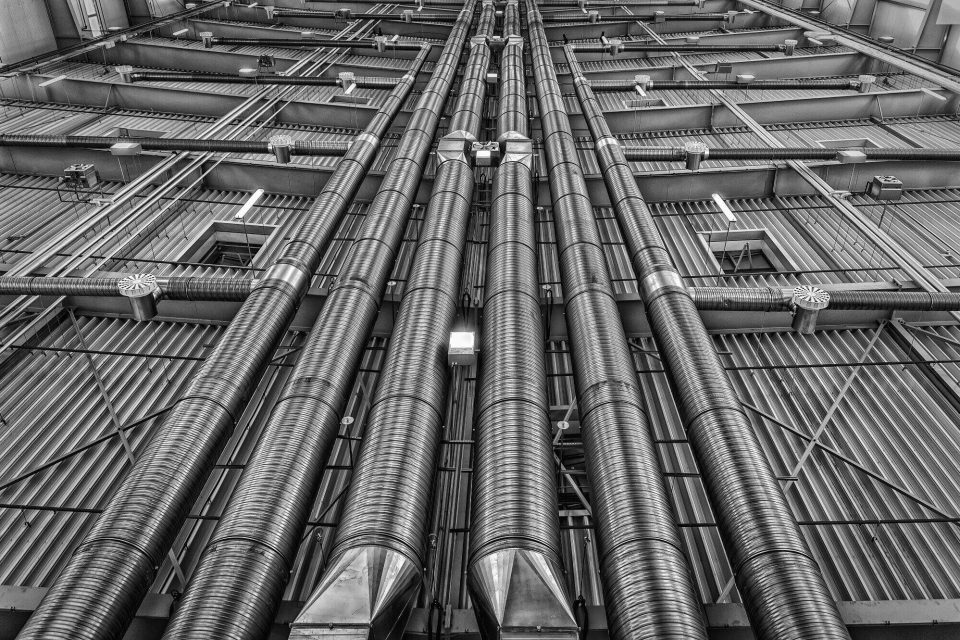
Today, architects are looking for buildings that are not only beautiful but also strong, long-lasting, and low-maintenance. One of the most exciting developments in modern construction is the rise of maintenance-free metal applications. Metals, once used mostly for structure or industrial purposes, are now central to innovative architecture.
With advances in coatings, alloys, and fabrication, metals can now provide durability, style, and sustainability all in one. Read on.
Protective Coatings That Last
One major breakthrough is advanced protective coatings. In the past, metal surfaces had to be regularly repainted or treated to prevent rust and corrosion, especially near the coast or in humid areas. Today, modern coatings such as powder coating, anodizing, galvanization, and fluoropolymer (PVDF) finishes create surfaces that resist:
- rust
- UV damage
- salt
- pollution
This means roofs, walls, and panels can last for decades without much maintenance. Many systems now come with 30- to 50-year warranties, making long-term upkeep far easier and more predictable.
Weathering Steel: Rust That Protects
Weathering steel, also called COR-TEN, is another innovation. Unlike regular steel, it develops a stable rust layer over time, called a patina. This layer protects the steel underneath, so it does not need paint or constant upkeep.
At the same time, it gives a unique, warm, and changing appearance. Architects use it for façades, bridges, and public art installations where durability and style matter equally. The material’s self-protecting nature makes it both cost-effective and visually striking.
Aluminum: Lightweight and Durable
Aluminum is increasingly popular for maintenance-free metal applications. It is lightweight, naturally corrosion-resistant, and fully recyclable. Aluminum is used in:
- curtain walls
- façades
- louvers
- roofing
Its natural oxide layer provides protection, and anodized finishes make it even more durable. Because it does not rust and only needs occasional cleaning, aluminum is cheaper and easier to maintain over time compared to other materials.
Stainless Steel: Strong and Hygienic
Stainless steel remains a favorite for both structural and decorative uses. Modern alloys resist:
- corrosion
- stains
- extreme temperatures
In busy public spaces like airports, hospitals, and transit hubs, stainless steel railings, panels, and fixtures look clean and stay strong for years. It is also hygienic, making it ideal for hospitals and food facilities where cleanliness is critical. Visit a reputable seller to learn more about stainless steel products.
Smarter Fabrication
Advances in fabrication help make maintenance-free metals practical. Laser cutting, CNC forming, and modular panels allow architects to create precise designs that are easy to install.
Prefabricated metal assemblies reduce errors during construction and ensure protective coatings are applied correctly. This combination of design freedom and accuracy lowers long-term maintenance needs.
Sustainable and Efficient
Maintenance-free metals are also good for the environment. Many products contain recycled material and can be fully recycled at the end of their life. Unlike materials that degrade or need chemical treatments, metals reduce waste, repainting, and replacement cycles.
Metal roofs, for example, can reflect sunlight, cut cooling costs, and even support solar panels. Standing seam designs prevent leaks without exposed fasteners, making them durable and energy-efficient.
Shaping Modern Architecture
As buildings face harsher climates and rising maintenance costs, maintenance-free metals are becoming essential. They combine strength, beauty, and longevity while reducing the work and costs of upkeep.
These metals are not just materials-they are tools that help architects design buildings that last, perform, and look good for decades. Maintenance-free metals are changing the way we think about the future of architecture.