
BLS Training Program: What to Expect and How to Prepare
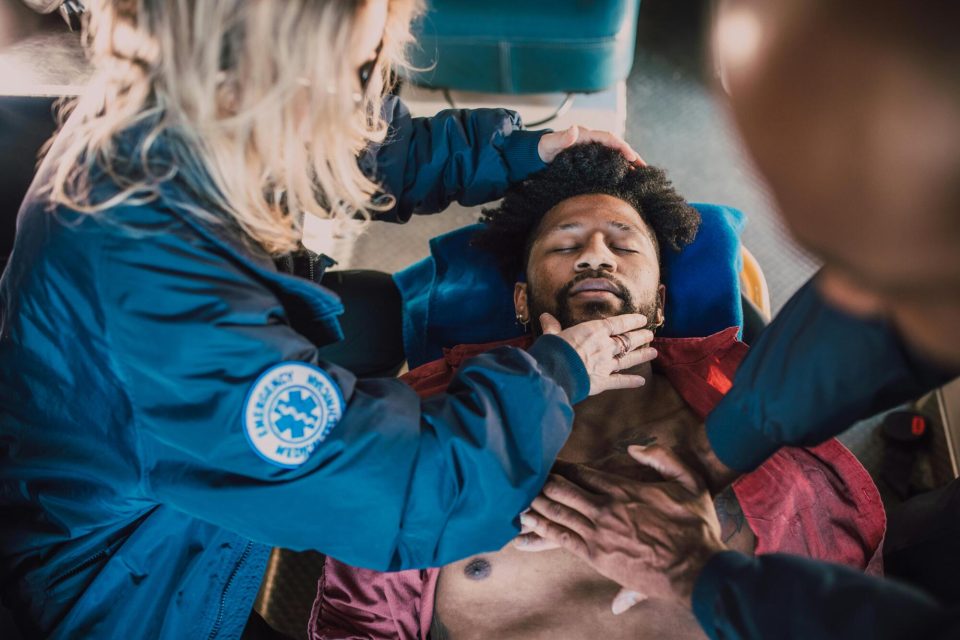
Basic Life Support (BLS) training is an essential program for healthcare workers, first responders, and even everyday people who want to be ready in emergencies. The course teaches the skills needed to respond quickly and effectively to situations like cardiac arrest, choking, or respiratory failure.
If you’re considering signing up, it’s helpful to know what to expect and how to prepare for the training.
What is a BLS Training Program?
A BLS training program focuses on teaching lifesaving skills. It provides step-by-step guidance on how to perform CPR, use an automated external defibrillator (AED), and help someone who is choking.
The training is designed for both medical professionals and the general public. While healthcare providers may need certification for work, non-medical participants can take it to be better prepared at home, work, or in the community.
What to Expect During Training
Before joining a class, it’s important to understand how the program works. A BLS training course usually includes both theory and hands-on practice.
Classroom Learning
The classroom part covers the basics of recognizing emergencies. You will learn how to assess a person’s condition and decide the right action to take. The lessons are simple, clear, and easy to follow.
Hands-On Practice
Expect plenty of hands-on practice with mannequins and training equipment. This part allows you to practice chest compressions, rescue breaths, and AED use. Instructors give feedback so you can improve your technique.
Group Activities
You may also work in pairs or groups to practice team-based responses. This is especially useful for healthcare workers who need to coordinate with others in real-life emergencies.
How to Prepare for BLS Training
Good preparation helps you get the most out of your training. Here are some steps to take before the course.
Review Basic First Aid Knowledge
It’s not required, but knowing basic first aid can give you a head start. Understanding simple concepts like checking for breathing or controlling bleeding will make the training easier.
Dress Comfortably
Since you will be practicing chest compressions and other movements, wear comfortable clothing. Choose something that allows you to kneel and move freely.
Stay Open to Learning
Even if you already know CPR, BLS training may update your knowledge with new guidelines. Approach the class with an open mind and be ready to learn.
Consider Online Resources
Many people find it helpful to review online study materials before the course. Websites like https://cprcertificationnow.com/collections/cpr-and-first-aid-certifications offer useful guides and certification options that can support your preparation.
Benefits of Completing BLS Training
Finishing a BLS training program gives you more than just a certificate.
Confidence in Emergencies
Knowing how to respond in critical moments gives you confidence. Whether at work, school, or home, you’ll be able to stay calm and take action.
Career Advantage
For those in healthcare, BLS certification is often required. Employers value candidates who are trained to handle emergencies.
Lifesaving Skills
Most importantly, BLS skills can help save lives. Quick action during a cardiac arrest or choking incident can mean the difference between life and death.
Take the Step to Be Prepared
BLS training is an investment in your ability to respond when it matters most. By knowing what to expect and how to prepare, you can walk into the program with confidence and walk out with skills that save lives.
If you’re ready to take the next step, sign up for a BLS training program today and equip yourself with the tools to make a real difference in emergencies.
Want more? Let us guide you through your next steps!