
Build Powerful High-Intensity Training Plans for Athletes
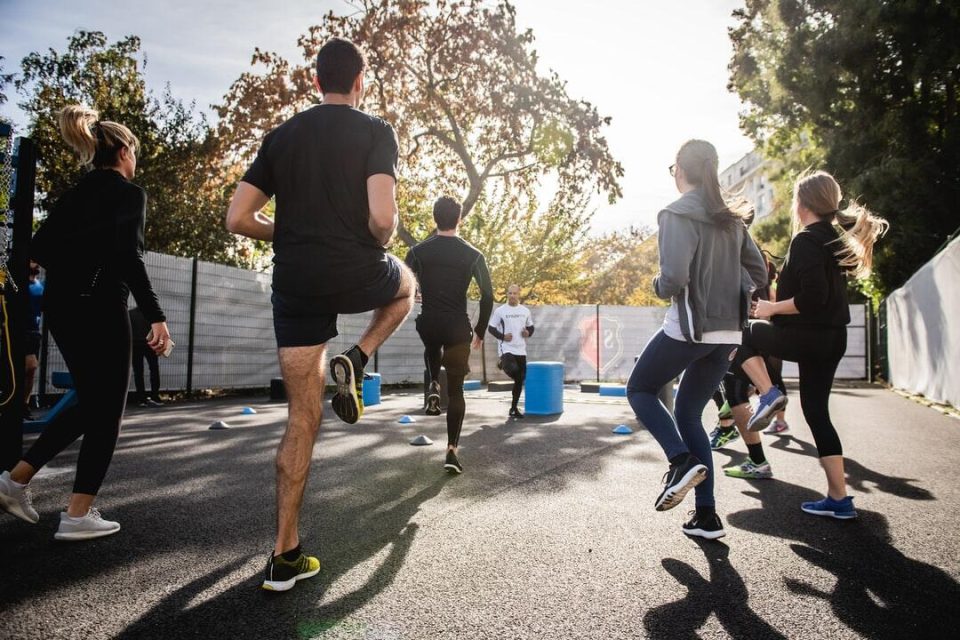
High-intensity training helps athletes build strength, speed, and endurance quickly. With a focused plan, they can push their limits, recover faster, and perform at their best.
This type of training challenges the body, improves fitness, and makes every session count toward peak performance. With the right plan, athletes can see real results in less time and train smarter, not just harder.
Understand the Basics of High-Intensity Training
High-intensity training focuses on short bursts of maximum effort followed by rest periods. This approach challenges the muscles and cardiovascular system. Athletes benefit from improved stamina, faster recovery, and greater power. Key exercises often include sprints, plyometrics, weightlifting, and agility drills.
Before creating a plan, assess the athlete’s current fitness level. This ensures that exercises are challenging but safe. Starting with too much intensity can lead to fatigue or injury. Gradually increasing difficulty helps the body adapt effectively.
Set Clear Goals
A good training plan starts with clear goals. Athletes may want to increase strength, speed, or endurance. Some may aim to improve performance for a specific sport.
Goals should be realistic and measurable. For example, running a faster 100-meter sprint or increasing squat weight by a certain amount. Clear goals keep training focused and results trackable.
Plan the Training Schedule
Structure is important for high-intensity training. Most athletes benefit from 3-5 intense sessions per week. Each session should target specific areas, such as upper body, lower body, or cardiovascular fitness. Include rest days to allow muscles to recover. Overtraining can reduce performance and increase the risk of injury.
Variety is also essential. Mixing different exercises prevents boredom and ensures all muscle groups are developed. Combining resistance training, sprints, agility drills, and conditioning creates a well-rounded program.
Use Proper Technique and Equipment
Technique is critical in high-intensity training. Poor form can lead to injuries and limit results. Athletes should learn proper movement patterns for each exercise. Working with a coach or using video demonstrations can help maintain correct form.
Equipment such as weights, resistance bands, medicine balls, and cones can enhance training. They provide resistance, improve stability, and simulate real sport movements. Using the right tools helps athletes train safely and effectively.
Track Progress and Adjust Plans
Monitoring progress is key to success. Track performance, strength gains, and endurance improvements. Adjust the plan if progress slows. Increase intensity, modify exercises, or add new challenges to keep the athlete improving. Regular assessment ensures the program stays effective and motivating.
For coaches and trainers looking to improve their skills, resources like https://www.americansportandfitness.com/products/sport-specific-training-certification offer guidance on designing effective, high-intensity programs for athletes.
Learn All About High-Intensity Training Plans
High-intensity training helps athletes reach their goals faster and safer. By following a clear plan, using proper technique, and tracking progress, they can improve strength, speed, and endurance.
With variety, rest, and the right equipment, every workout becomes more effective. Athletes can push their limits, recover faster, and perform at their best.
When done consistently, high-intensity training turns effort into real results and long-term success.
Did you find this article helpful? Check out the rest of our blog!