
Building a Foundation for Recovery Success

Post Preview
Key Takeaways
- Understanding the critical components of a successful recovery journey.
- Recognizing the importance of community support and peer connections.
- Exploring various resources and strategies to maintain long-term sobriety.
Table of Contents
- Understanding Recovery
- The Importance of Peer Support
- The Role of Community in Recovery
- Developing Effective Coping Strategies
- Accessing Professional Help
- Maintaining Long-Term Sobriety
- Overcoming Common Challenges
- Conclusion
Understanding Recovery
Recovery from substance use disorder is a deeply personal and multifaceted journey, shaped by an individual’s experiences, environment, and support system. It involves not only abstaining from substances but also addressing the underlying causes of addiction, rebuilding damaged relationships, and learning the skills needed to maintain long-term stability. Emotional healing, mental health support, and access to a safe, structured living environment all play critical roles in helping individuals regain control of their lives. Recognizing that recovery is a continuous process—one that requires patience, consistency, and support—can help individuals set realistic expectations and remain committed to their path, even when challenges arise. Foundations Sober Living Colorado offers comprehensive programs designed to support individuals through each phase of recovery. Serving communities across the state, Foundations provides a structured and supportive sober living environment that emphasizes personal responsibility, accountability, and healthy routines. With a strong focus on community integration, peer support, and access to local recovery resources, Foundations has become a trusted option for individuals in Colorado seeking a stable foundation and lasting sobriety.
The Importance of Peer Support
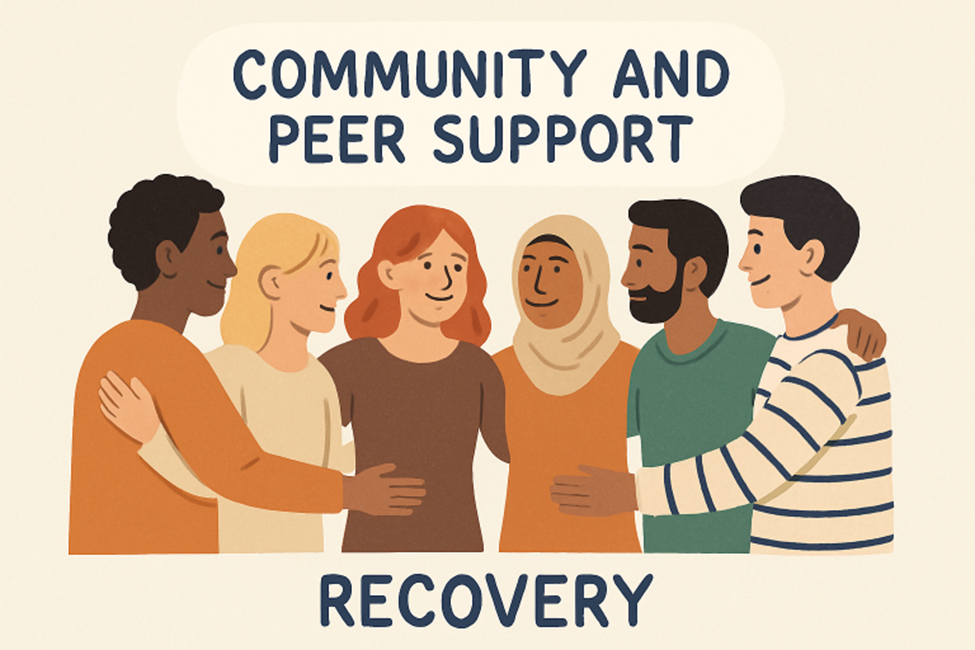
Connecting with others who have faced similar struggles can be incredibly empowering. Peer support groups provide a platform for sharing experiences, offering encouragement, and learning from one another. Engaging with peers who understand the challenges of recovery fosters a sense of belonging and reduces feelings of isolation.
Incorporating peer support into recovery plans has been shown to improve outcomes and sustain long-term sobriety. By participating in peer-led groups or mentorship programs, individuals can gain valuable insights and coping strategies from those who have successfully navigated similar paths.
The Role of Community in Recovery
A supportive community plays a vital role in the recovery process. Engaging with community resources, participating in local events, and building a network of supportive individuals can provide a sense of belonging and purpose. Community involvement offers opportunities to practice social skills, develop new interests, and establish a routine that supports sobriety.
Initiatives that focus on building recovery-friendly communities highlight the significance of community involvement in sustaining recovery efforts. By fostering environments that support sobriety, communities can help individuals feel connected and motivated to maintain their recovery journey.
Developing Effective Coping Strategies
Identifying and implementing healthy coping mechanisms is essential for managing stress and avoiding relapse. Techniques such as mindfulness, exercise, and engaging in hobbies can serve as positive outlets for managing emotions. Additionally, learning to recognize triggers and developing strategies to address them can enhance resilience.
Incorporating structured programs that focus on life skills and coping strategies can be beneficial. These programs often include components such as employment integration, life skills building, and community integration, which are crucial for developing a stable and fulfilling life in recovery.
Accessing Professional Help
Professional support, including therapy and counseling, can offer valuable insights and tools for navigating the recovery journey. Seeking assistance from qualified professionals can help address underlying issues and provide guidance tailored to individual needs. Therapeutic interventions can assist in developing coping strategies, improving mental health, and addressing co-occurring disorders.
Engaging with professionals who specialize in addiction recovery ensures that individuals receive evidence-based care and support. This professional guidance can be instrumental in building a strong foundation for long-term sobriety.
Maintaining Long-Term Sobriety
Long-term sobriety requires ongoing effort and commitment. Establishing routines, setting goals, and continuously engaging in recovery-related activities can help maintain focus. Celebrating milestones and acknowledging progress can also reinforce motivation and a sense of achievement.
Incorporating structured programs that focus on life skills and coping strategies can be beneficial. These programs often include components such as employment integration, life skills building, and community integration, which are crucial for developing a stable and fulfilling life in recovery.
Overcoming Common Challenges
Recovery is often accompanied by challenges such as cravings, social pressures, and emotional fluctuations. Developing a strong support system, utilizing effective coping strategies, and remaining adaptable can help overcome these obstacles. Remember, setbacks are a natural part of the journey, and seeking help when needed is a sign of strength.
Engaging with peer support groups and professional counselors can provide the necessary tools and encouragement to navigate these challenges effectively. By building resilience and maintaining a proactive approach, individuals can continue to progress in their recovery journey.
Conclusion
Building a solid foundation for recovery success involves a combination of personal commitment, supportive relationships, and access to resources. By understanding the multifaceted nature of recovery and actively engaging in the process, individuals can navigate the path to a healthier, fulfilling life. Utilizing comprehensive programs and community support systems can significantly enhance the recovery experience and promote long-term sobriety.
Fresh Fundraising Ideas for Schools and Nonprofits That Actually Work